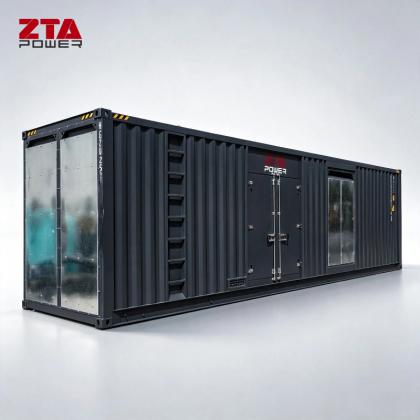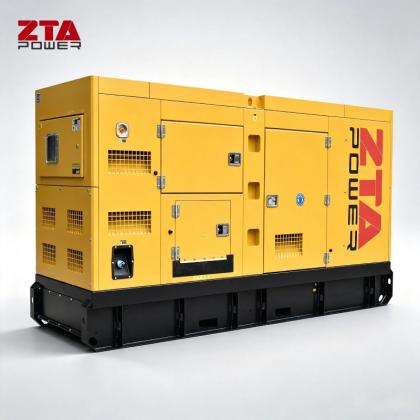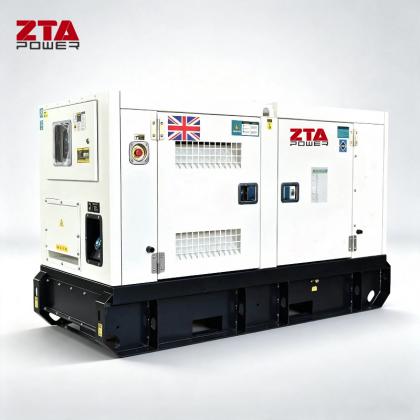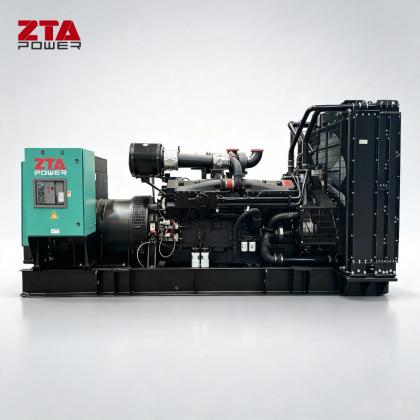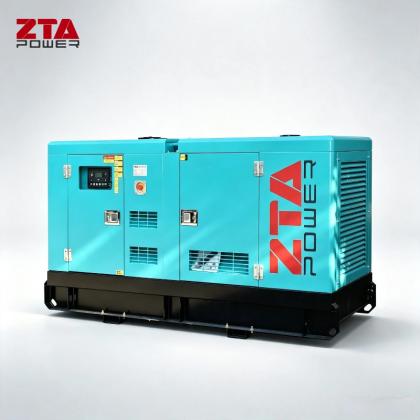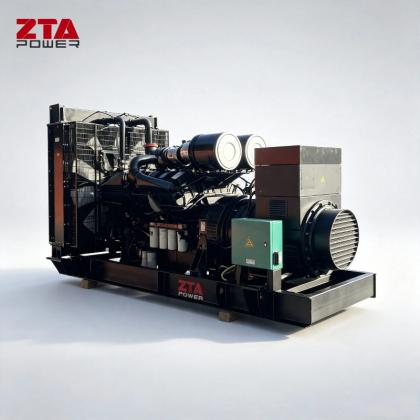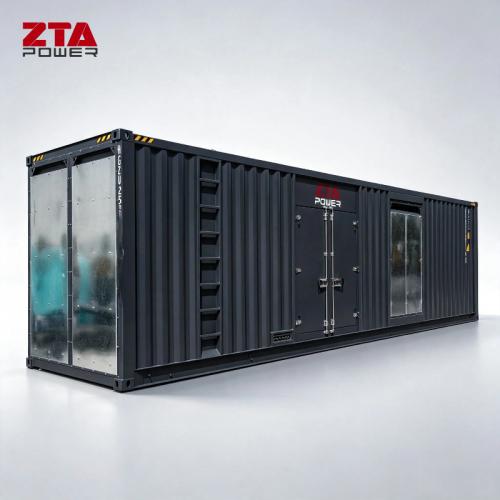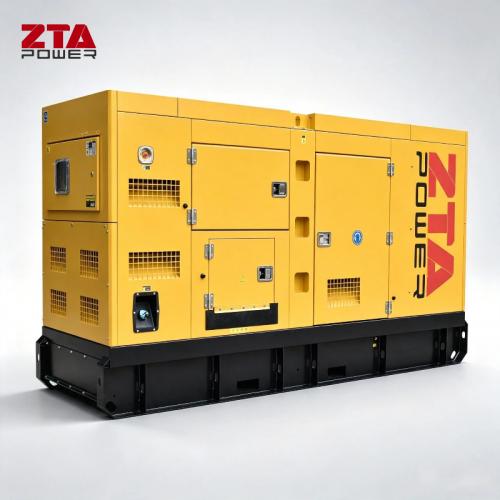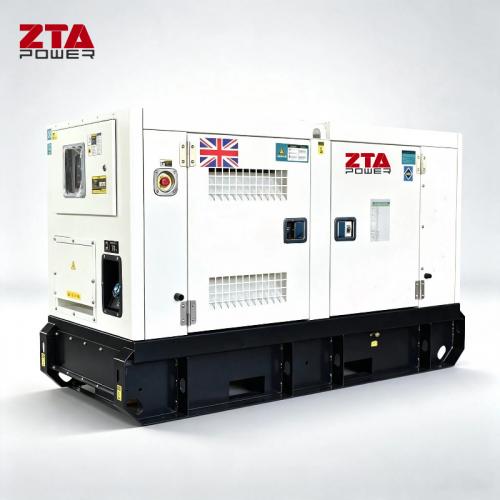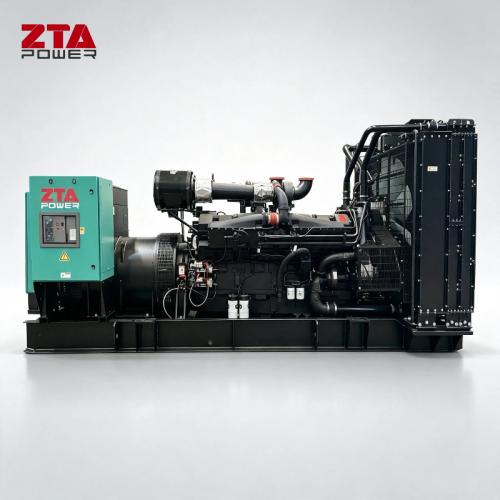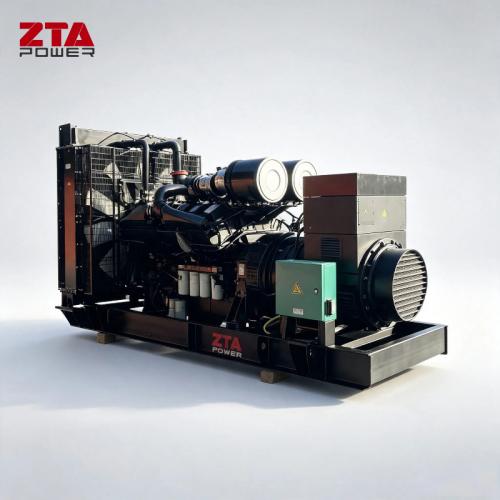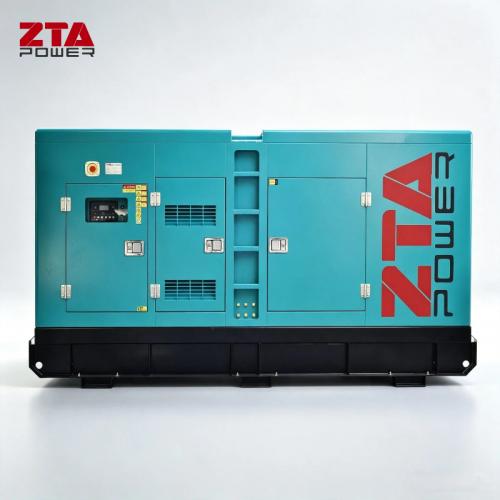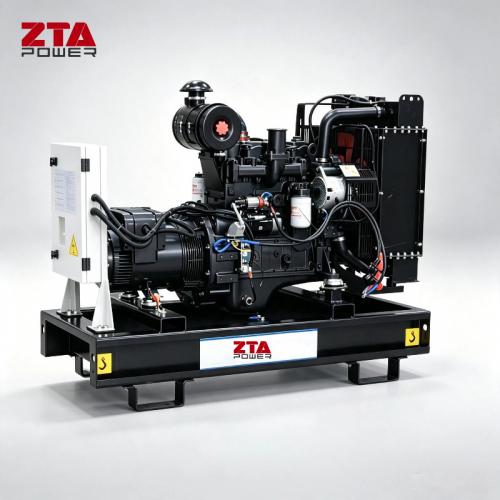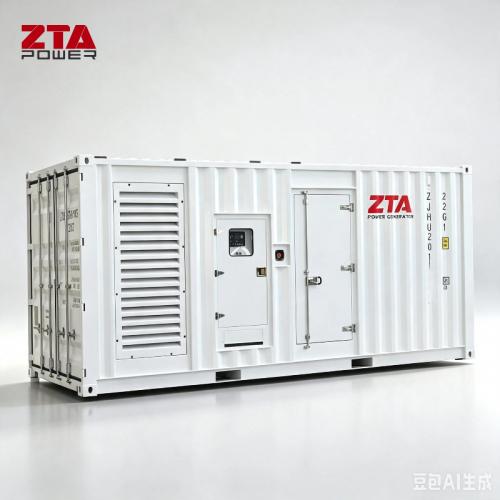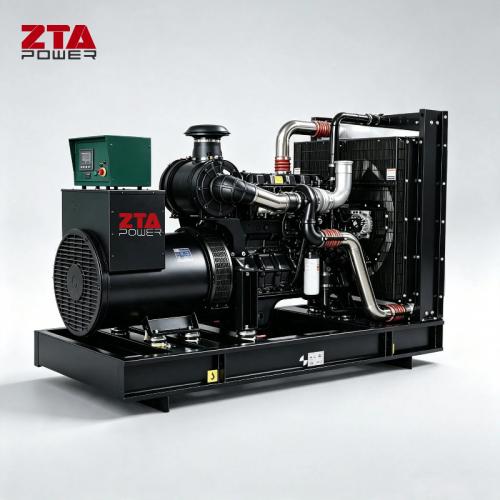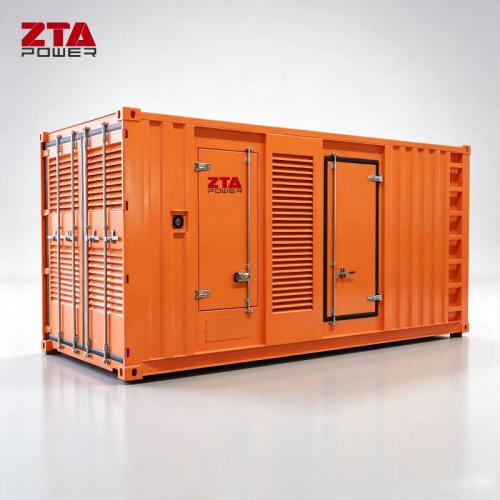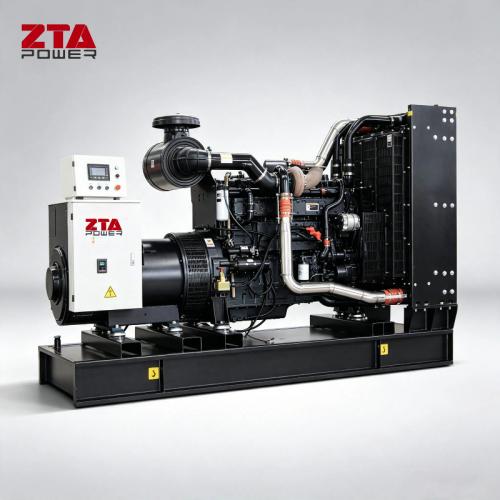
Cummins Diesel Genset 200kw 250kva DCEC 6CTAA8.3-G9
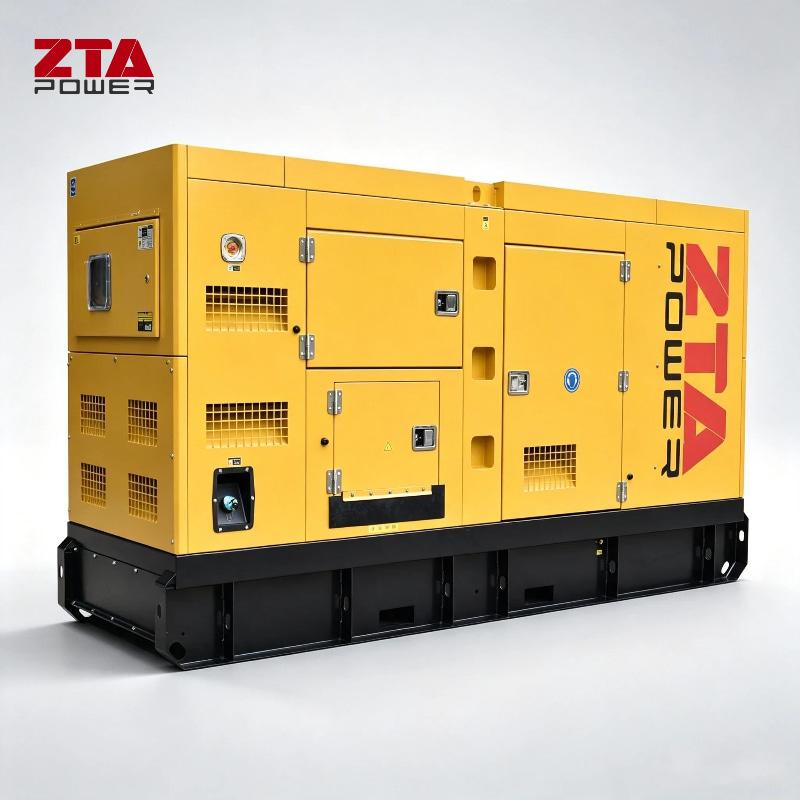
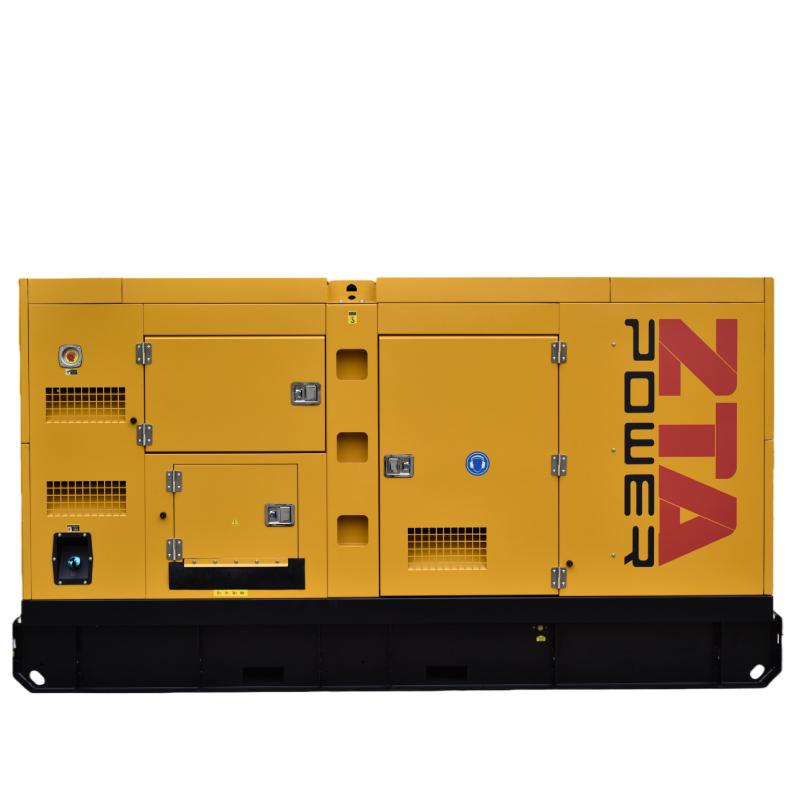
This 200kW (250kVA) diesel generator is powered by the robust and fuel-efficient DCEC 6CTAA8.3-G9 engine, designed for dependable prime or standby power.
Brand:
Dongfeng CumminsItem NO.:
ZC275Order(MOQ):
1Payment:
T/T 30%, 70% Before shipmentProduct Origin:
ChinaShipping Port:
Xiamen, ChinaLead Time:
3-4weeksWeight:
2710200kw 250kva Dongfeng Cummins Engine 6CTAA8.3-G9 Powered Diesel Generator Set
This 200kw/250kva Diesel Genset Ideal for industrial, construction, and commercial use, it delivers stable performance in harsh conditions. Built with durability and ease of maintenance in mind, this is a cost-effective power genset solution backed by Dongfeng Cummins Diesel Generator Set. Key features include high power density, proven reliability, and compliance with international standards, making it a smart choice for your critical power needs.
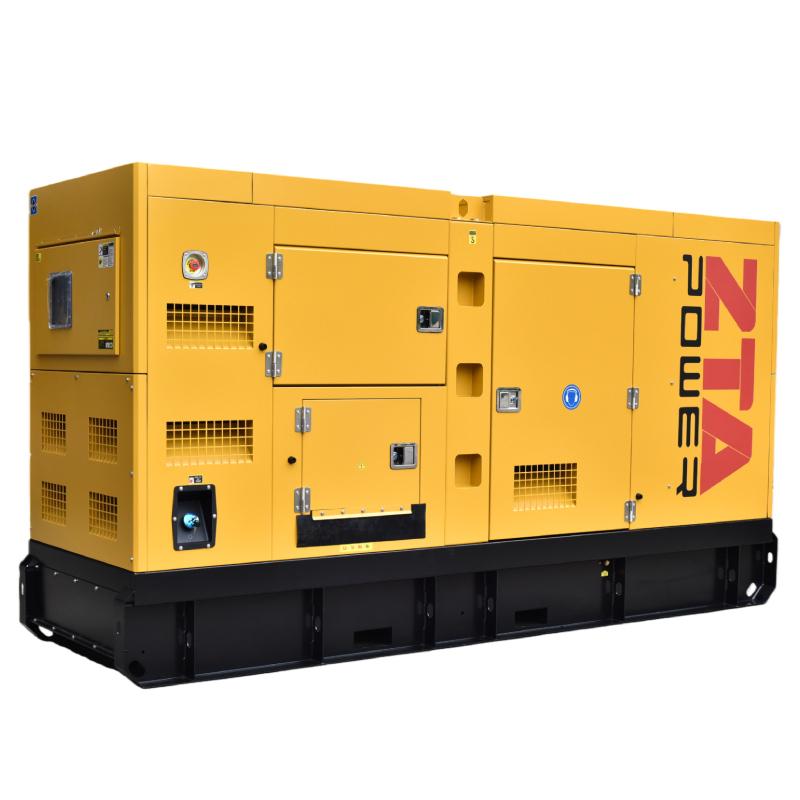
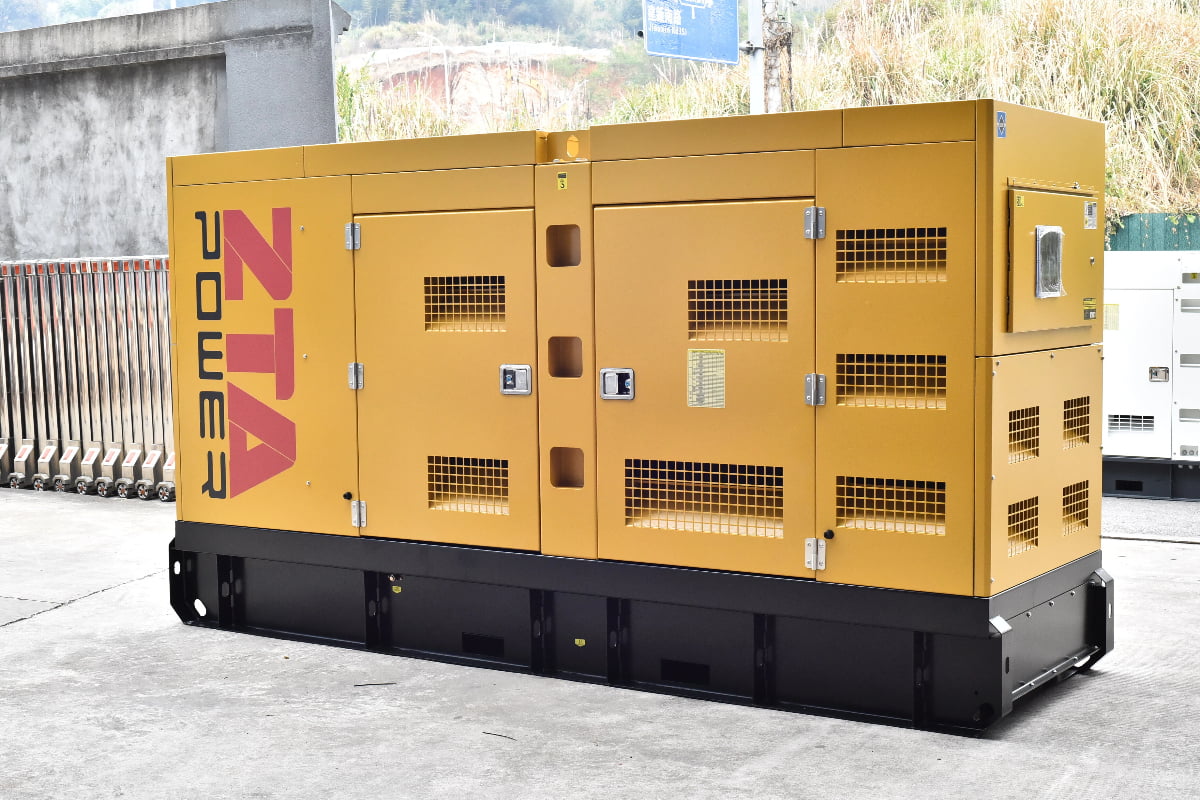
ZTA POWER Silent Genset Advantage:
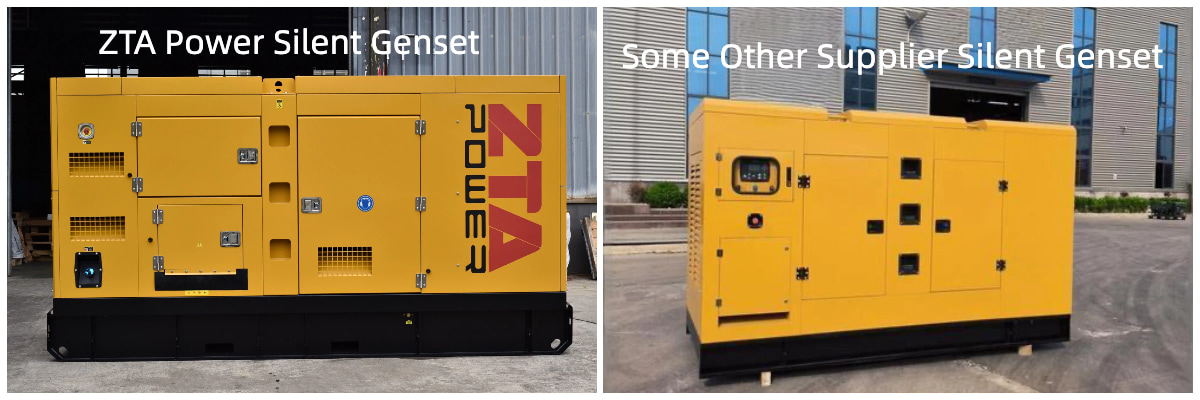
Diffience Between ZTA POWER Silent Canopy and Some other Suppier Silent Genset
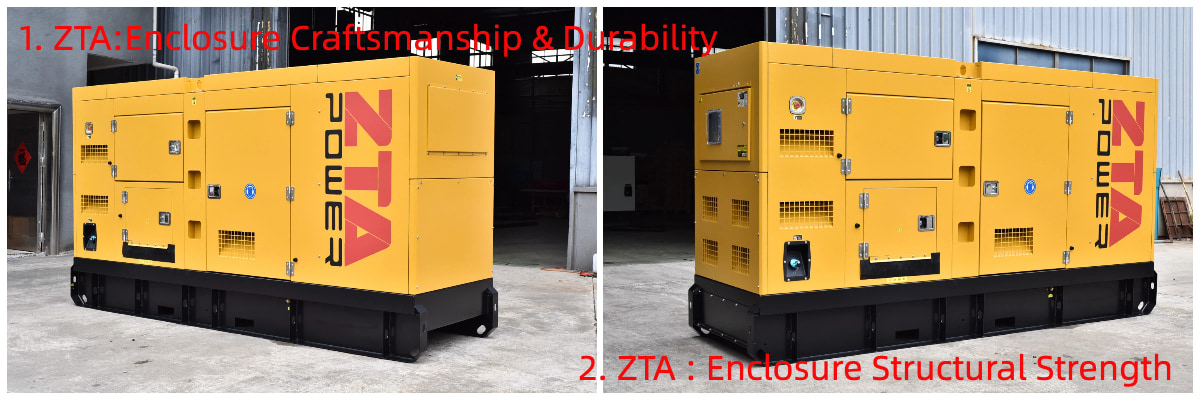
| Comparison Item | ZTA Silent Genset Series | Core Value for Customer | Industry Standard / Other Manufacturers |
| 1. Enclosure Craftsmanship & Durability | High-quality powder coating/baking finish with excellent UV and corrosion resistance, ensuring no fading or discoloration for 2-3 years. | Lasting aesthetic appeal, lower maintenance cost, and long-term preservation of your investment's value. | Standard paint finish prone to weathering, often showing noticeable fading and chipping within ~1 year. |
| 2. Enclosure Structural Strength | Main body constructed from 1.8-2.0mm thick, high-quality steel plates for robust, impact-resistant structure and stable noise reduction. | Enhanced safety & reliability. Superior rigidity extends enclosure life and protects the internal unit. | Commonly uses 1.5mm or thinner steel, compromising strength and durability, potentially leading to deformation and noise from vibration/transport. |
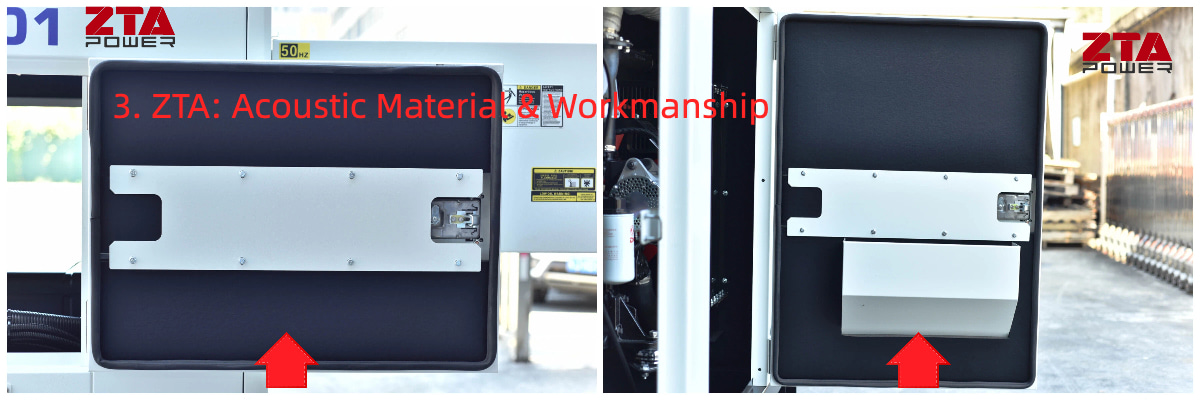
| Comparison Item | ZTA Silent Genset Series | Core Value for Customer | Industry Standard / Other Manufacturers |
| 3. Acoustic Material & Workmanship | Strictly uses 2.5mm thick high-efficiency acoustic foam, lined with a fire-retardant fabric cover for optimal noise absorption, a tidy interior, and fire safety. | True, effective noise reduction (typically 3-5 dBA lower), a safe, professional-looking interior that reflects quality. | Often advertises 2.5mm but actual thickness may be only 1.5-2.0mm. Typically lacks fabric lining, resulting in a messy interior and potential fire hazard. |
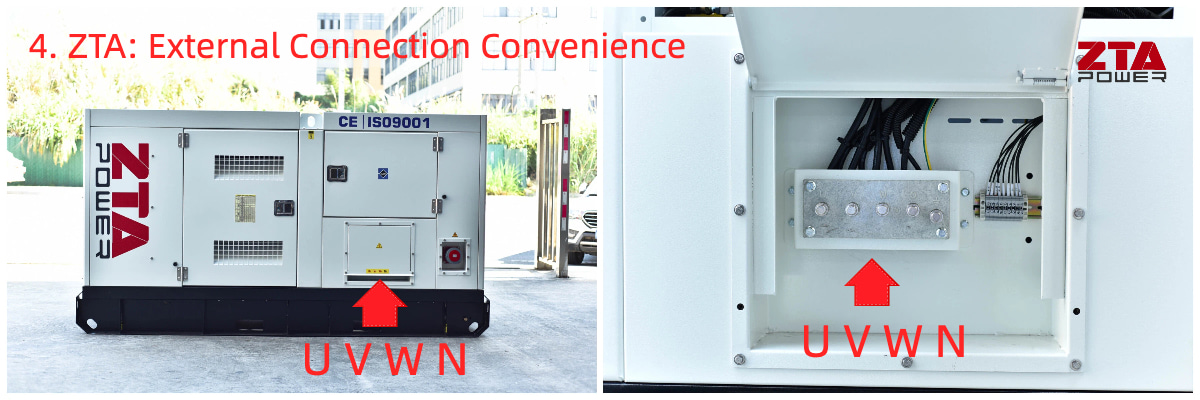
| Comparison Item | ZTA Silent Genset Series | Core Value for Customer | Industry Standard / Other Manufacturers |
| 4. External Connection Convenience | Standard equipped with output copper busbars (U, V, W, N) terminal block for convenient, standardized, and safe customer connections without modification. | Saves time and effort. Dramatically improves installation efficiency with safer, more compliant connections. | Output busbars are usually not standard, forcing customers to open the canopy to find terminals, complicating installation and posing risks. |
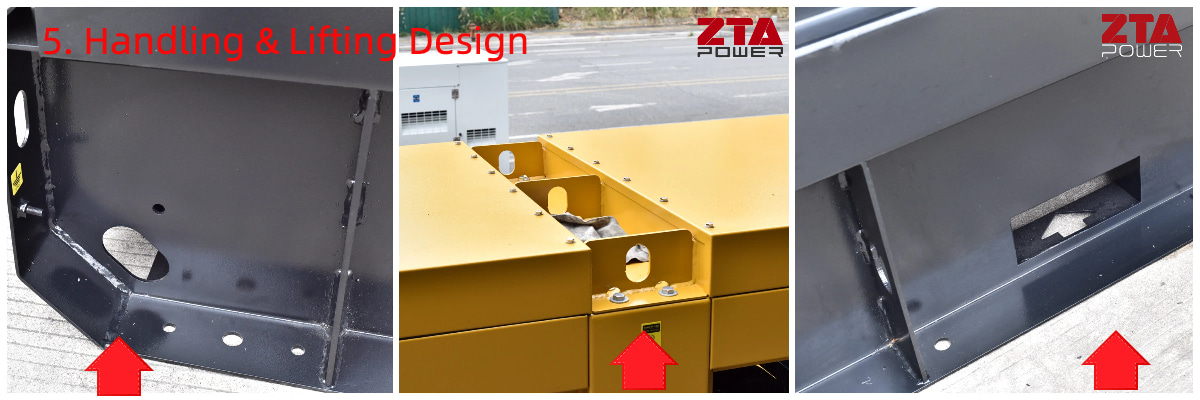
| Comparison Item | ZTA Silent Genset Series | Core Value for Customer | Industry Standard / Other Manufacturers |
| 5. Handling & Lifting Design | Forklift pockets on all four bottom sides allow access from any direction and prevent contact with the base fuel tank. Top-side lifting lugs are standard. | Flexible and safe handling. Significantly reduces transport/positioning difficulty and prevents damage to the unit and tank. | Forklift pockets may be on only two sides, restricting access. Dedicated top lifting points are often absent, making lifting difficult and risky for the canopy. |
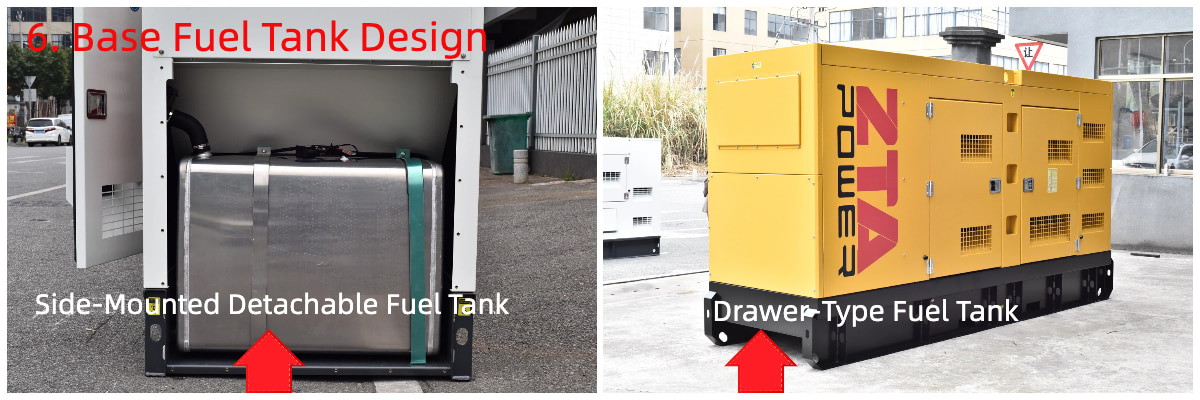
| Comparison Item | ZTA Silent Genset Series | Core Value for Customer | Industry Standard / Other Manufacturers |
| 6. Base Fuel Tank Design | Side-mounted detachable fuel tank or drawer-type fuel tank, separate from the unit base, completely eliminates the risk of oil leakage caused by fuel tank welding issues, and allows for easy maintenance. | Zero leak risk. Easy maintenance, enhanced safety and environmental protection—solving a major customer pain point. | Commonly uses a bottom-mounted, welded tank integral to the skid. Leaks are hard to repair and pose safety/environmental hazards from ground contamination. |
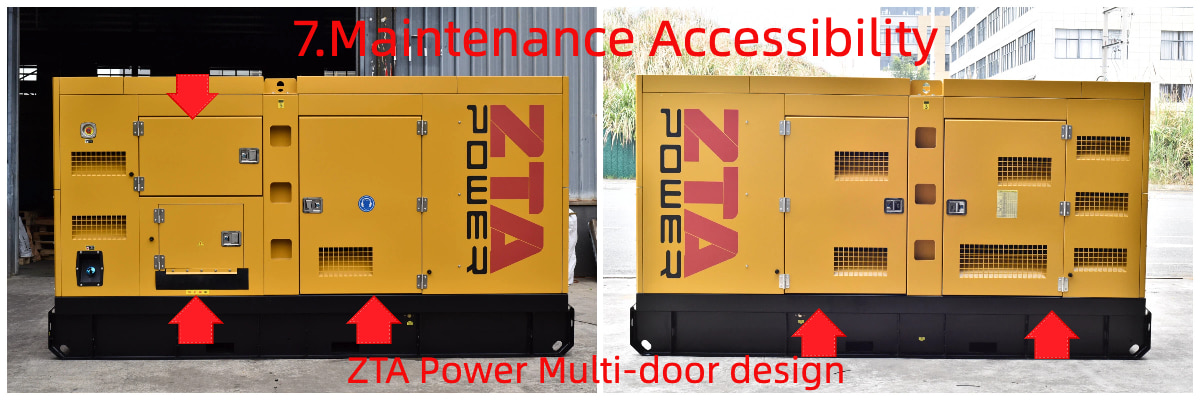
| Comparison Item | ZTA Silent Genset Series | Core Value for Customer | Industry Standard / Other Manufacturers |
| 7. Maintenance Accessibility | Multi-door design (e.g., on both sides or with added access panels) provides ample access from multiple angles for easy routine maintenance and troubleshooting. | Superior maintenance experience. Reduces service difficulty and time, ensuring timely upkeep. | Typically has only standard side doors, creating cramped, restrictive access that hinders efficient servicing and inspections. |
| Comparison Item | ZTA Silent Genset Series | Core Value for Customer | Industry Standard / Other Manufacturers |
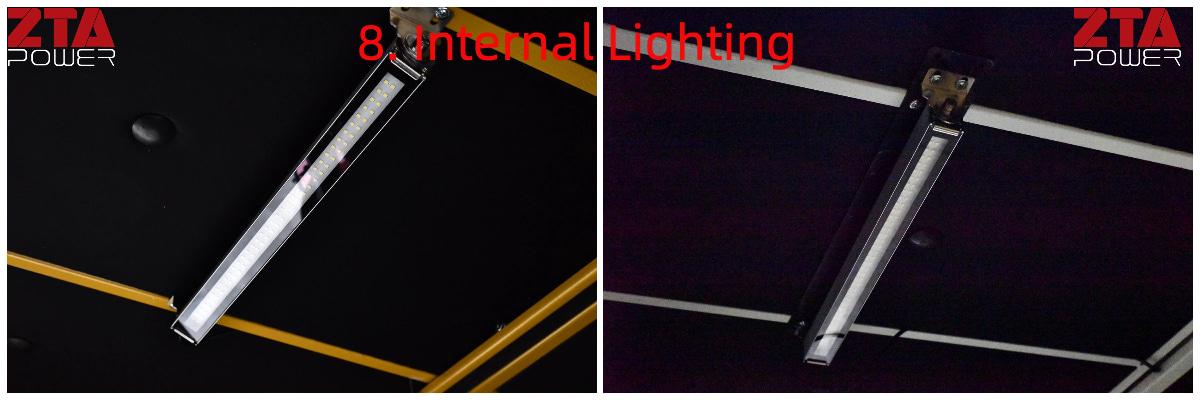
| 8. Internal Lighting | Standard equipped with a swivel LED service light. High brightness and long lifespan allow multi-angle illumination for checking unit status. | Clear visibility for operation. Ensures safe and convenient unit checks and operation, day or night. | Internal lighting is often not standard or consists of a basic fixed light, making visual checks difficult in low light. |
| Comparison Item | ZTA Silent Genset Series | Core Value for Customer | Industry Standard / Other Manufacturers |
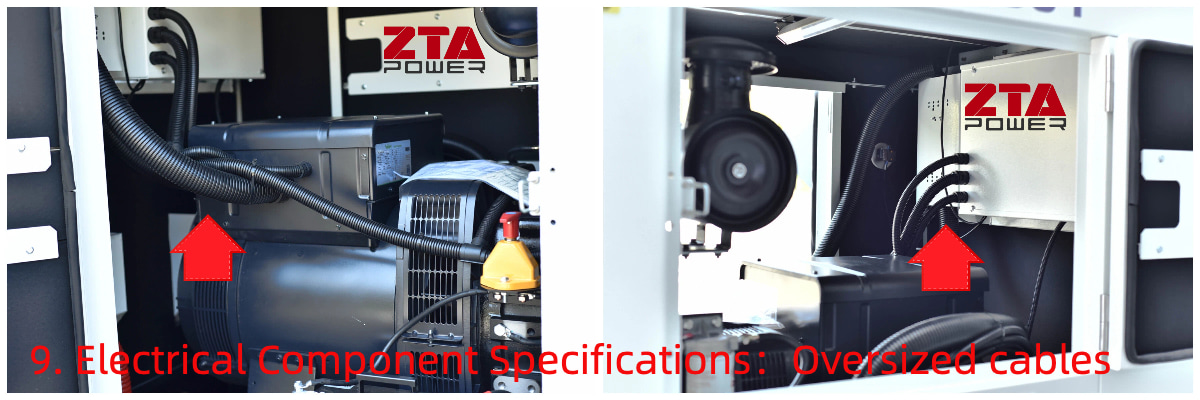
| 9. Electrical Component Specifications | Oversized cables, busbars, and windings designed for maximum current capacity. Higher cost but provides greater overload capacity and lower heat generation. | Safer, more efficient power delivery. Greater continuous running capability, lower failure rates, and better long-term economy. | To cut costs, may use smaller gauge wiring and busbars, increasing overheating risk under sustained load and reducing component lifespan. |
| Comparison Item | ZTA Silent Genset Series | Core Value for Customer | Industry Standard / Other Manufacturers |
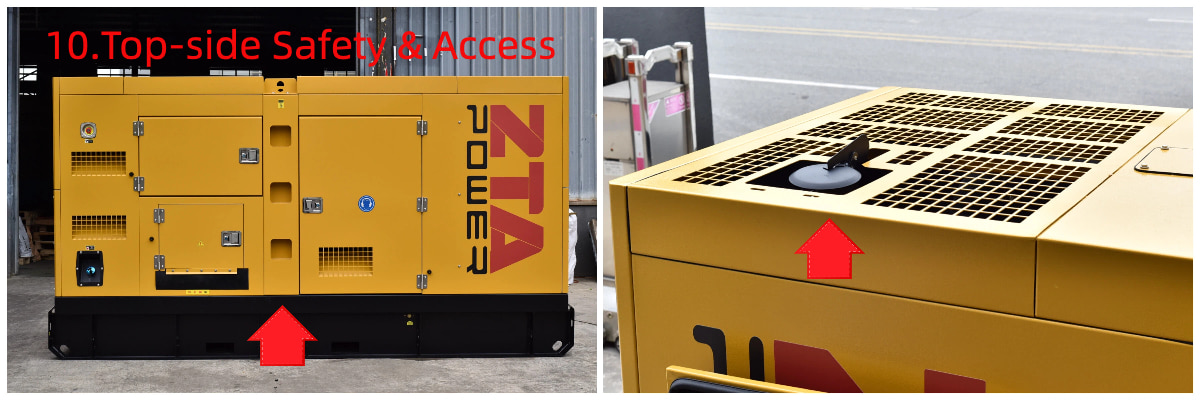
| 10. Top-side Safety & Access | Standard anti-slip access ladder and service platform opening for safe rooftop access, enabling easy daily inspections and topping up the coolant for radiator | Ensures personnel safety. Enables essential rooftop access and inspections, reflecting user-centric design. | A roof access ladder is often not standard, making top-side inspection dangerous and impractical, especially for taller units. |
| Comparison Item | ZTA Silent Genset Series | Core Value for Customer | Industry Standard / Other Manufacturers |
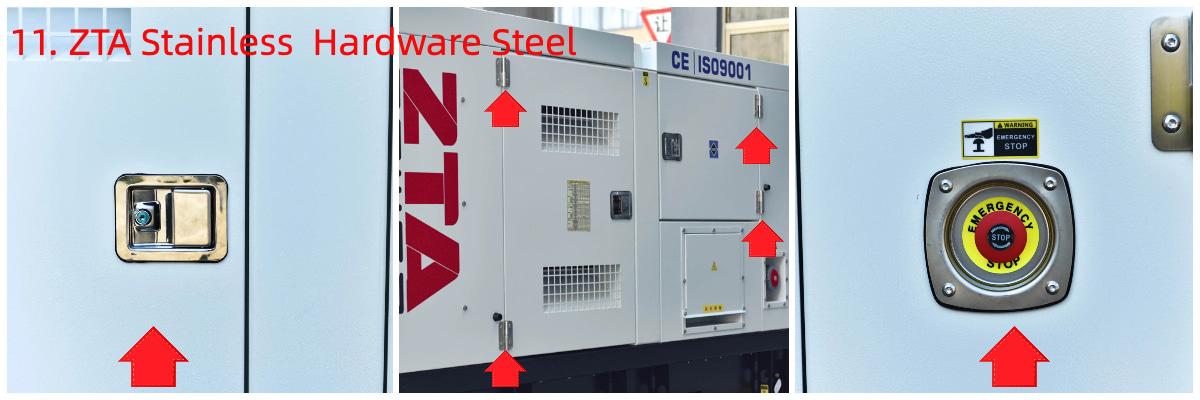
| 11. Hardware & Safety Components | Critical hardware like door locks, hinges, and the emergency stop button are made of stainless steel for corrosion resistance, durability, and reliable operation. | Quality in the details. Equipment stays looking and functioning like new, with guaranteed emergency stop reliability. | Often uses standard galvanized or painted hardware prone to rusting and seizing, especially in humid environments, compromising function and safety. |
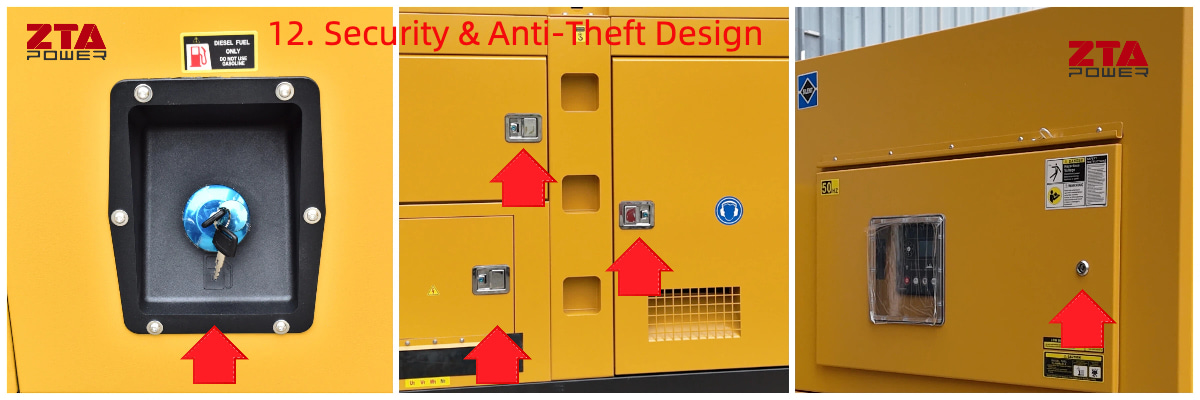
| Comparison Item | ZTA Silent Genset Series | Core Value for Customer | Industry Standard / Other Manufacturers |
| 12. Security & Anti-Theft Design | Both side doors, the control panel, and the fuel filler are equipped with dedicated stainless steel locks and keys to effectively manage fuel, prevent theft or unauthorized operation, and ensure the security of customer assets. | Asset security management. Provides peace of mind, crucial for unattended sites. | The fuel fill port usually has no lock or only a simple cap, posing a security and safety risk. |
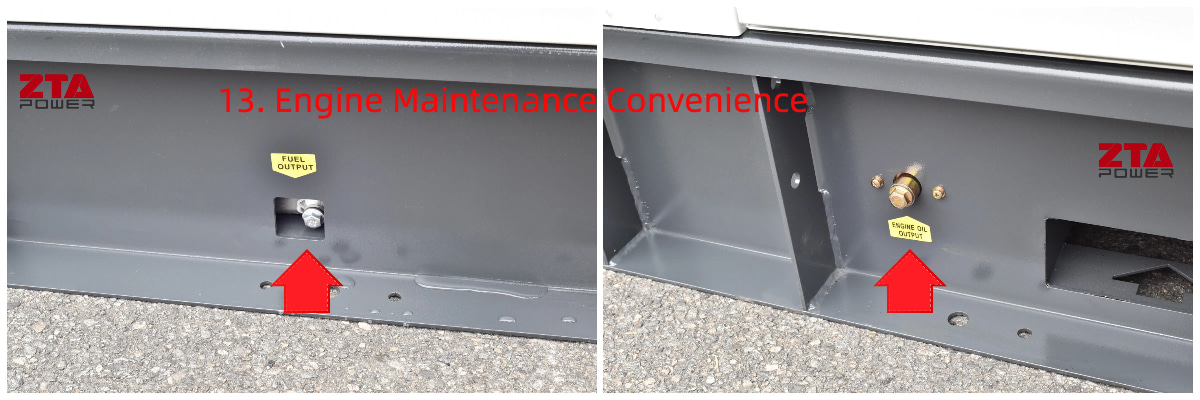
| Comparison Item | ZTA Silent Genset Series | Core Value for Customer | Industry Standard / Other Manufacturers |
| 13. Engine Maintenance Convenience | Equipped with an easily accessible engine oil drain port, simplifying routine oil changes and reducing service time and spill risk | Simplifies routine upkeep. Enables faster, cleaner oil changes, reducing maintenance costs and downtime | The oil drain point is often difficult to access (e.g., obstructed or requiring special tools), making maintenance messy and time-consuming. |
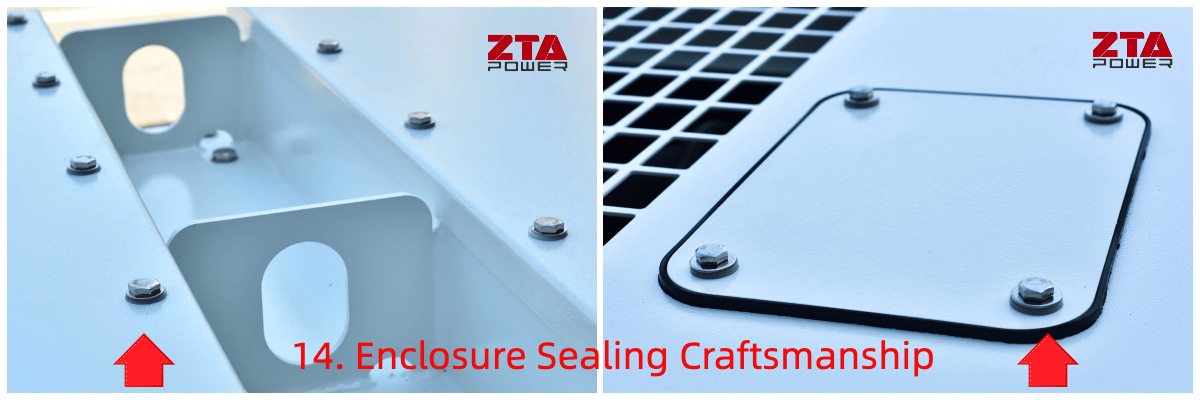
| Comparison Item | ZTA Silent Genset Series | Core Value for Customer | Industry Standard / Other Manufacturers |
| 14. Enclosure Sealing Craftsmanship | All stainless steel screws are fitted with dedicated plastic washers, creating a superior seal that significantly enhances the canopy's water and dust resistance. | Protects the internal unit. Effectively guards against rain and dust, keeping internal electrical components dry and clean, and maintaining stable long-term acoustic and protective performance. | Screws are typically fastened directly without dedicated sealing washers, relying solely on gaskets. This poses a long-term risk of water seepage and dust ingress. |
Generator Set Specification
| Prime Power | Standby Power | |
| Power(kw) | 200 | 220 |
| Power(KVA) | 250 | 275 |
| Rate Speed | 50hz/1500rpm, 60hz/1800rpm | |
| Standard Voltage | 400/230v | |
| Available Voltage | 415/240V,380/220V,220/127V | |
| Rate AT Power Factor | 0.8 | |
| Diamension | Open Size: 3770×1125×1800MM(L*W*H) | Silent Size: 3738×1125×2050MM(L*W*H) |
| Circuit Breaker | 400A | |
| Fuel Tank 8 Hours (L) | 460 |
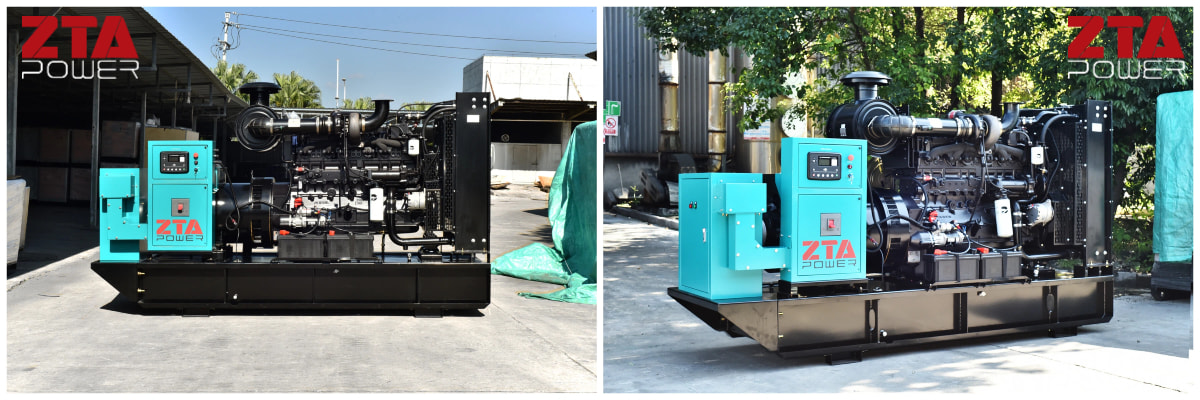
Cummins 6CTAA8.3-G9 Diesel Engine Datasheet
| Engine Brand |
DONGFENG CUMMINS ENGINE Co.,LTD |
|
Engine Model |
6CTAA8.3-G9 |
|
No. of Cylinders |
6 |
|
Cycle |
4 Cycle |
| Compression ratio |
16.7:1 |
|
Bore ×Stroke |
114 x 135 mm |
|
Lube oil capacity (L) |
24 |
|
Energy in power output (gross) Prime Power(kw) |
163 |
|
Energy in power output (gross) Standby Power(kw) |
180 |
| Fuel consumption at 100% full load (L/h) | 57 |
Leroy-Somer’s TAL alternators are specially designed to meet the power needs of telecom towers and commercial and industrial buildings. TAL is compatible with most engine brands.
| Leroy somer Alternator Model | TAL-A44-M |
| Prime Power | 160kw/200kva |
| AVR Standard | R120(Shunt) |
| Voltage Available | 50HZ: 415/240V,400/230V, 380/220V, 220/127V, 60HZ, 480/277V, 220/127V |
| Insulation Class | H |
| Number of Wires |
6 |
| Pole | 4 |
| Protection | IP 23 |
|
Altitude |
≤1000 m |
| Overspeed | 2250 R.P.M. |
| Voltage Regulation | ± 1% |
|
Total Harmonic THD (**) in no-load |
< 3.5 % according to C.E.I. |
|
Total Harmonic THD (**) in linear load |
< 5 % according to C.E.I. |
|
Waveform NEMA = TIF (**) |
< 50 |
|
Waveform I.E.C. = THF (**) |
< 2% |
| Optional |
- Filters on air inlet: derating 5% - Filters on air inlet and air outlet (IP 44): derating 10% - Winding protections for harsh environments and relative humidity greater than 95% - Space heaters - Thermal protection for stator windings - Steel terminal box |
Advanced Control Panel
(UK Deepsea 6120,Smartgen 6120,Comap AMF 25,Deif Brand Etc.. Also Available Base on Customer Need)
Digital control panels (e.g., Deepsea, ComAp,) for precise monitoring and control.
Features such as auto-start/stop, load sharing, and remote monitoring.
| Deepsea 6120 | Deepsea 7320 | |
| Display Language | 18 | 18 |
| Languages can be stored in the module | 2 | 7 |
| RS232 port | -(Not available) | √ |
| RS485 port | ■*(*indicates that DSE857 communication module needs to be added.) | √ |
| Ethernet port | ■**(**indicates that DSE855 communication module needs to be added.) | ■**(**indicates that DSE855 communication module needs to be added.) |
| Short circuit protection | √ | √ |
| Negative phase sequence protection | √ | √ |
| Earth fault protection | -(Not available) | √ |
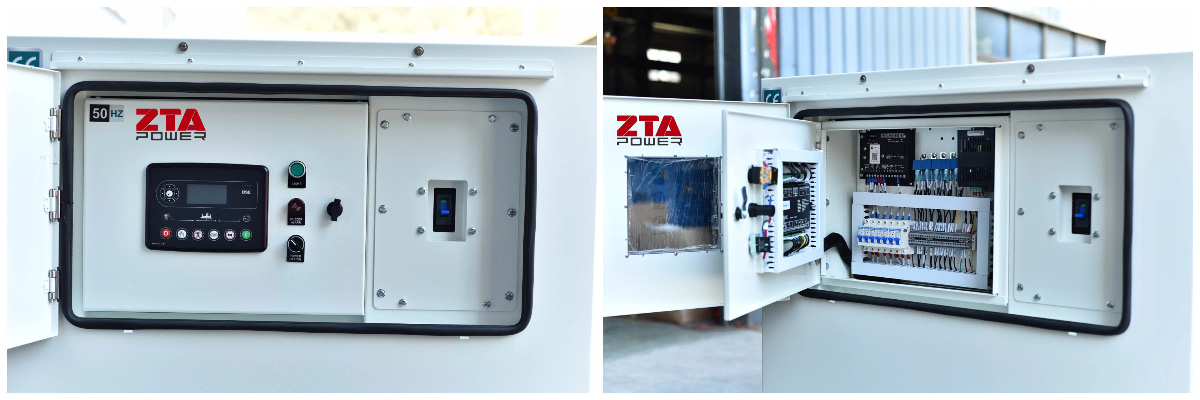
Circuit Breaker Specification
| Manufacturer | Delixi/Chit/Schneider/ABB |
| Capacity | 400A |
| Pole | 3P |
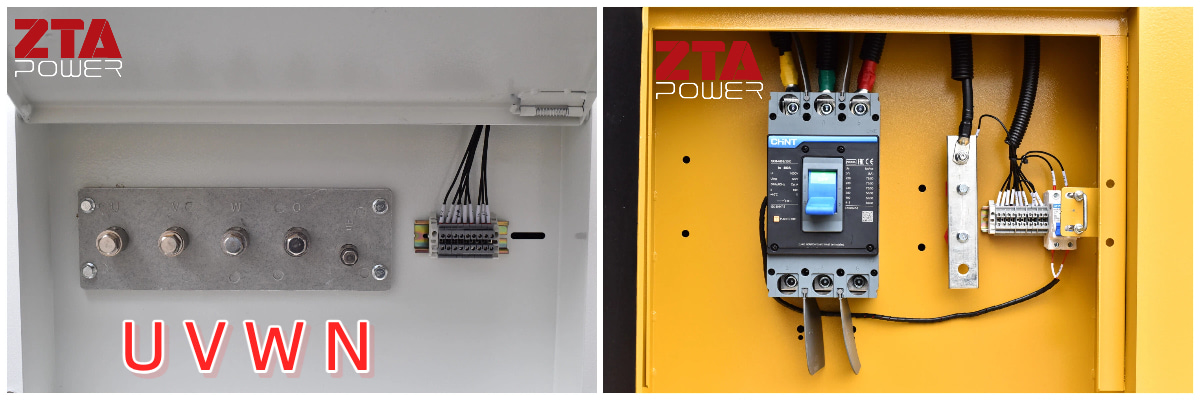
Starting Battery Specification
| Battery Voltage | 12V |
| Battery Capacity | 80A |
| Battery type | Free maintenance, sealed lead-acid type |
| Battery Quantities | 2 Pcs |
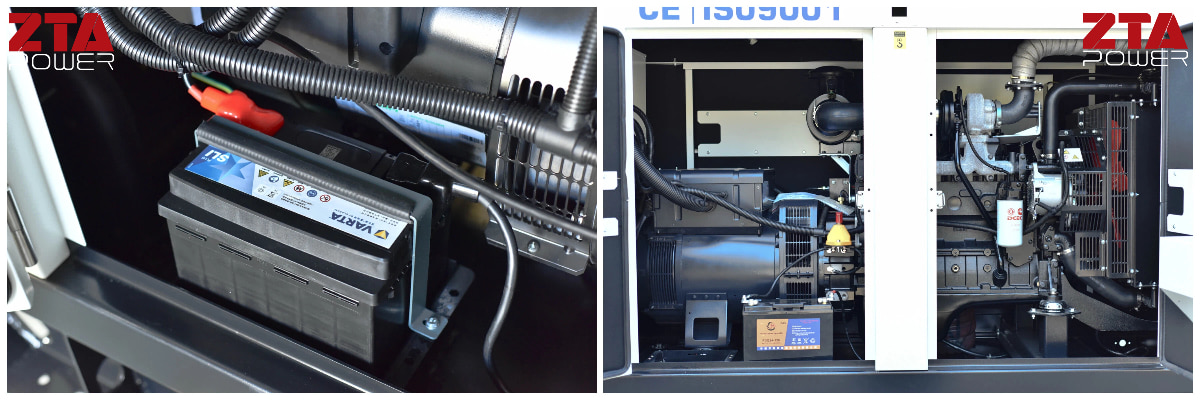
Standard Supply Scope
| ① Auto Control Panel | ⓶Main Circuit Breaker |
| ⓷ Cooling Radiator | ⓸8 hours Base Fuel Tank |
| ⓹One Set 3 Filters(Diesel Filter, Air Filter, Lub Oil Filter) Install On Generator Set | ⓺Starting Motor |
| ⓻Exhaust Silencer | ⓼Starting Batter |
| ⓽Float Battery Charger | ⓾Flange |
Optional Supply Scope
| ① ATS | ⓶ Fuel and water separator |
|
③ Auto Fuel Pump |
④ External daily fuel tank |
|
⓹Elec.coolant Heater |
⑥ Oil drain Pump |
|
⓻Trailer & Silent Canopy |
⓼Synchronization System |
Q: What is your Generator Set Quality Warranty?
A: All ZTA Diesel Generator Set Supply 1 year or 1000 running hours warranty , whichever comes first.
The development of an enterprise comes from advanced science and technology, strict enterprise management and good product quality. After-sales service is also a very important part. We always believe that excellent customer service is the secret of business success.
In order to return your trust, strengthen your belief in our products, and express our company’s sincerity, we solemnly promise you:
1. Service tenet: fast, decisive, efficient and thorough;
2. Service goal: customer satisfaction is our ultimate pursuit;
3. Service items:Pre sales consultation,Provision of technical data,Technical support,training.....
Pre-sale service:
1. Understand the user's product usage and provide users with technical consulting services for diesel generator;
2. Provide users with product catalogue, company profiles, and relevant test certificates.
In-sale service:
1.Before the diesel generator leaves the factory, we carry out performance test and load test to ensure that the diesel generator arrives at the customer's site for normal use
2.Keep the customer informed of the production process
3.Cooperate with customer forwarders for shipment
4.Provide customs declaration documents and customs clearance documents
After-sale service:
1.Warranty time is 1 years or 1000 hours,whatever occurs first
2.The warranty period of diesel generator provided by the supplier is calculated from 15 days after the supplier BL Date.
3.After the expiration of the warranty period, the supplier will provide a lifetime paid service.
4.During the quality guarantee period, the supplier shall provide free parts and send to the buyer for the failure caused by the manufacturing defect of the equipment and the product itself, and the buyer’s technical personnel will replace it.
6.Improper use or artificial damage by the buyer is not covered by the free warranty.
7.The three filters must be replaced regularly.Such wearing parts are not covered by the warranty.
Summary:
The operating procedures for diesel generator sets typically include pre-operation preparation, starting, operation monitoring, shutdown steps, maintenance, and safety precautions. Following the specifications outlined in this document can significantly reduce the risk of accidents and ensure the safe and efficient operation of your diesel generator set. After each operation, fill out the "Operation Record Sheet," including start/shutdown time, operating parameters, abnormal conditions, and maintenance details. Report any faults or potential hazards promptly and retain maintenance records.
I. Diesel Generator Operating Procedures
1. Pre-Operation Preparation
(1) Environmental Check
① Ensure the area around the generator set is free of flammable and explosive materials, ventilation is good, and the exhaust pipe is clear.
② Check that the ground is dry and free of standing water to prevent electric shock or equipment short circuits.
(2) Equipment Check
① Fuel System: Check the diesel oil level (ensure sufficient), ensure fuel lines have no leaks, and the fuel filter is clean.
② Cooling System: Check the coolant level (must be within the standard range) and ensure the radiator is not blocked or leaking.
③ Lubrication System: Check the engine oil level (using the dipstick) and top up according to the manual if low.
④ Battery: Check the battery charge and ensure the terminal connections are tight and free from corrosion.
⑤ Electrical Wiring: Check the control panel, cables, switches, etc., for damage or looseness.
(3) Load Check
Disconnect all loads to ensure the generator set starts in a no-load condition.
2. Starting Operation
(1) Manual Start Steps
① Turn the control panel switch to "Manual" mode.
② Press the "Preheat" button (preheat for 30 seconds if the ambient temperature is below 5°C).
③ Press the "Start" button. Do not crank for more than 10 seconds at a time. If it fails to start, wait 30 seconds before attempting again.
④ After starting, observe the oil pressure gauge to ensure the pressure is within the normal range (typically 0.25~0.6 MPa).
(2) Automatic Start Steps (for Standby Power Systems)
① Ensure the control panel switch is in "Auto" mode.
② When mains power fails, the generator set should start automatically (verify that the ATS (Automatic Transfer Switch) operates correctly).
③ After successful starting, once the control panel displays normal voltage and frequency, the load is connected automatically.
3. Operation Monitoring
(1) Parameter Monitoring
Continuously observe the data on the control panel:
① Voltage: 380V ± 5% (three-phase) or 220V ± 5% (single-phase).
② Frequency: 50Hz ± 0.5Hz.
③ Oil Pressure, Coolant Temperature (normal range 70~95°C).
④ Listen to the generator set's operating sounds and check for any abnormal vibration or noise.
(2) Load Management
① Connect loads gradually to avoid sudden full loading (recommend connecting in stages, each stage not exceeding 25% of the rated power).
② Overloading is prohibited; the load factor should be ≤ 90% of the rated power.
(3) Emergency Shutdown
If any of the following situations occur, shut down the unit immediately for inspection:
① Low oil pressure, high water temperature, black exhaust smoke, abnormal noises.
② Voltage or frequency fluctuations beyond the allowable range.
4. Shutdown Operation
(1) Normal Shutdown
① Gradually remove the load and run the generator set without load for 3-5 minutes to allow it to cool down.
② Press the "Stop" button. After the generator set has completely stopped, turn off the control power.
③ Close the fuel valve (for long-term shutdown).
(2) Emergency Shutdown
① In case of serious faults (such as engine runaway, fuel leak fire, severe vibration), immediately press the emergency stop button.
② Disconnect all loads and close the fuel valve, then contact professional personnel for repair.
5. Maintenance and Servicing
(1) Daily Maintenance
Clean oil and dust from the generator set surface. Check for loose fasteners.
(2) Scheduled Maintenance
① Every 50 operating hours: Replace the oil filter and fuel filter.
② Every 200 operating hours: Check belt tension, clean the air filter.
③ Every 500 operating hours: Replace coolant, check battery electrolyte.
(3) Long-term Shutdown
Drain the fuel tank or add a fuel stabilizer. Start the generator set once a month and run it without load for 15 minutes.
II. Emergency Response and Safety Precautions
The following is a detailed explanation of safety precautions for using diesel generator sets, covering operating specifications, safety risks, and preventive measures to ensure equipment and personnel safety.
1. Safety Precautions
(1) Fire and Explosion Prevention
① Open flames and smoking are strictly prohibited in the generator room. Equip the room with a dry powder fire extinguisher (5kg or larger) and inspect it regularly.
② Store fuel and engine oil away from the generator set and avoid high-temperature areas.
③ Install a heat shield on the exhaust pipe to prevent ignition of surrounding materials.
(2) Ventilation and Carbon Monoxide Poisoning Prevention
① Ensure good ventilation in the generator room. Diesel engine operation produces carbon monoxide. Enclosed spaces must be equipped with exhaust fans.
② Prohibit prolonged operation of generator sets in confined spaces or basements.
(3) Electrical Safety
① Ensure the equipment is properly grounded before operation to prevent electric shock.
② Do not operate electrical switches with wet hands or in damp environments.
③ Cable connections must be properly insulated to prevent short circuits.
(4) Mechanical Injury Prevention
① Do not touch rotating parts (such as fans, belts) while the generator set is running.
② Before performing maintenance, shut down the unit and disconnect the power. Hang a "Do Not Operate" warning sign.
(5) Fuel and Chemical Safety
① Avoid skin contact with diesel, engine oil, and coolant. Wear protective gloves when handling.
② In case of a spill, immediately absorb the liquid with sand or absorbent material. Do not flush with water.
2. Prohibited Actions (High-Risk Operations)
❌ Operating under overload for extended periods.
❌ Using low-quality fuel or mixing different grades of engine oil.
❌ Adding fuel or disassembling parts while the generator set is running.
❌ Starting the generator set without proper grounding.
❌ Ignoring alarm signals and forcing operation.
3. Emergency Response
(1) Fire: Immediately shut down the unit and use a dry powder fire extinguisher. Do NOT use water.
(2) Fuel/Coolant Leak: Cut off the power supply. Cover the leak with absorbent pads or sand. Ventilate the area before cleanup.
(3) Electric Shock: Immediately cut off the power source. Use a non-conductive object to move the victim away from the live source. Administer CPR if necessary and seek immediate medical attention.
(4) Carbon Monoxide Poisoning: Immediately evacuate the area, move the affected person to a well-ventilated space, and call emergency services.
4. Maintenance Safety
(1) Daily Maintenance
① Disconnect power when cleaning the generator set. Avoid getting water into electrical components.
② Wear protective gloves when replacing filters, belts, etc., to prevent cuts.
(2) Long-term Shutdown
① Drain the fuel tank or add a fuel stabilizer to prevent gum formation.
② Disconnect the negative terminal of the battery and recharge it once a month.
5. Personnel Protection Requirements
(1) Operators must wear: Slip-resistant insulated shoes, work clothes, safety goggles, and hearing protection (earplugs/muffs).
(2) Regularly receive safety training and be familiar with emergency response plans.
III. Fluid Usage Requirements
1. Fuel
Use fuel that meets the standards BS.2869: Class A1 or A2, or complies with Chinese standard GB252, DIN/EN590, ASTM D975-88: Grades 1-D and 2-D, etc. Select the appropriate grade based on the ambient temperature at the work location. Taking GB252 as an example, see Table 1 below.
Table 1: Fuel Grades for Diesel Generator Sets
| Minimum Ambient Temperature | Recommended Light Diesel Fuel Grade |
| > 4°C | Grade 0 |
| > -5°C | Grade -10 |
| -5°C ~ -14°C | Grade -20 |
| -14°C ~ -29°C | Grade -35 |
| -29°C ~ -44°C | Grade -50 |
Strictly control fuel quality from the very beginning to ensure cleanliness, which can help avoid costly diesel generator repairs. Before adding fuel from a drum to the tank, let the drum sit for 24 hours to allow foreign matter to settle. Wipe the area around the drum's outlet clean before opening the cap. Any hoses or hand pumps used must be stored in a clean environment.
Note: When fueling for the first time or after the fuel tank has run completely dry, the fuel system MUST be bled (primed) to remove air before starting the diesel generator again.
2. Lubricating Oil
Use lubricating oil that meets the viscosity classification of the American Society of Automotive Engineers (SAE), specifically SAE J300 for diesel engine oils. See Table 2 below.
Table 2: Lubricating Oil Grades and Viscosities for Diesel Generators
| SAE Grade | Low-Temperature Dynamic Viscosity max. (mPa.s) @ °C | Max. Boundary Pumping Temperature (°C) | Kinematic Viscosity @ 100°C min. (mm²/s) | Rough Equivalent Old Chinese Viscosity Grade |
| 0W | 3250 @ -30°C | -35 | 3.8 | |
| 5W/40 | 3500 @ -25°C | -30 | 3.8 | |
| 10W | 3500 @ -20°C | -25 | 4.1 | |
| 15W | 3500 @ -15°C | -20 | 5.6 | |
| 20W | 4500 @ -10°C | -15 | 5.6 | |
| 25W | 6000 @ -5°C | -10 | 9.3 | |
| 20 | 5.6-9.3 | #6, #8 | ||
| 30 | 9.3-12.5 | #10, #11 | ||
| 40 | 12.5-16.3 | #14 | ||
| 50 | 16.3-21.9 | #15, #16 | ||
| Test Method | ASTM D4684 | ASTM D445 |
The "W" stands for Winter. These viscosity grades are suitable for winter use. This classification includes 6 winter grades (0W-25W) and 4 summer grades (20-50). Each winter grade specifies requirements for low-temperature dynamic viscosity (mPa·s), maximum boundary pumping temperature, and minimum kinematic viscosity at 100°C. The low-temperature viscosity and boundary pumping temperature requirements indicate the difficulty of starting the diesel generator in winter and achieving normal lubrication, increasing progressively from 0W to 25W. The minimum kinematic viscosity at 100°C reflects the potential for evaporation loss at high temperatures for winter grades; lower viscosity means higher evaporation loss and potentially higher oil consumption due to evaporation.
Summer grades only have a kinematic viscosity range requirement at 100°C. Thus, as viscosity increases, the oil film thickness on friction surfaces increases, potentially leading to slightly higher fuel consumption (approximately 0.5% reduction in energy consumption for each lower viscosity grade).
Combinations of winter and summer grades, such as 5W/30, 15W/40, 20W/50, are called multigrade oils. For example, 15W/40 oil means it meets the viscosity requirements of a 15W single-grade oil in winter and an SAE 40 oil in summer. Multigrade oils can be used in both winter and summer, in cold northern regions and hot southern areas, offering a wide operating temperature range and geographical versatility, as well as energy-saving characteristics. Compared to single-grade (summer) oils, multigrade oils (based on 100°C viscosity) can save 2-5% fuel. For Cummins generator sets, we recommend using 15W/40 oil in most parts of China, and 5W/30 or 5W/40 in cold northern regions.
Lubricating oil must also meet the quality classification for diesel engine oils, as listed in Table 3.
Table 3: Quality Classification for Diesel Engine Lubricating Oils
| API Classification | CA | CB | CC | CD | CE | CF-4 |
| ASTM Specified Application Scope | Light/Moderate duty engines, low sulfur fuel | Light/Moderate duty engines, high sulfur fuel | Non-turbocharged engines operating under severe conditions | Highly turbocharged diesel engines | Direct injection, turbocharged diesel engines (post-1978) | Heavy-duty diesel engines (post-1991) |
| Reason for Recommendation | Addresses bearing corrosion from high-temperature deposits | Addresses increased corrosive wear and deposits from high-sulfur (approx. 1%) fue | Addresses needs for mixed fleets using SC gasoline and CB diesel oils | Addresses bearing corrosion and scuffing in highly turbocharged engines | Addresses high-temperature deposits and viscosity increase in newer engines under severe duty | Excellent high-temperature shear stability and detergency/dispersancy |
| Recommended Since | 1935 | 1949 | 1955 | 1964 | 1987 | 1991 |
For Cummins series generator sets, we require users to use CF-4 grade or higher oil, specifically 15W/40 (or 5W/40), or CG-4 grade 15W/40 (5W/40). If the diesel engine manual has specific requirements, follow those regulations.
3. Coolant
For water-cooled diesel generators using radiators or heat exchangers, a cooling system protection fluid MUST be added to the cooling water system to prevent corrosion, cavitation, and freezing that can lead to engine damage. There are two main types of cooling system protection fluid for diesel generators:
(1) Pre-mixed cooling system protection fluid supplied by the diesel generator manufacturer.
(2) Cooling system additives (concentrate) provided by the diesel generator manufacturer, mixed with distilled or softened water to form the protection fluid.
In cold climates, the coolant may freeze, so an antifreeze mixture should be added. Antifreeze and corrosion inhibitors should comply with standard BS 3151. Please refer to the operation and maintenance manual for your specific diesel generator to determine the correct type of cooling system protection fluid to use.
Caution: When the diesel generator is running, the cooling system becomes pressurized, often up to 0.7 kg/cm² or more. A pressure-relief valve is typically built into the radiator cap. Ensure the radiator cap is correctly and securely fitted. NEVER attempt to remove the radiator cap while the engine is hot, as hot water/steam may spray out and cause severe burns.
Conclusion:
The operation of diesel generator sets involves both manual and automatic procedures. For manual operation, special attention must be paid to the pre-start checks and operating steps detailed in this document. For automatic operation, regular maintenance and inspection of the generator set are required after each run or periodically. Familiarize yourself with the operating procedures for your specific control panel. Always adjust operating details according to the actual equipment model and manufacturer's instructions. Furthermore, ensure all operators are professionally trained and are fully aware of the safety risks and preventive measures to guarantee both equipment and personnel safety.
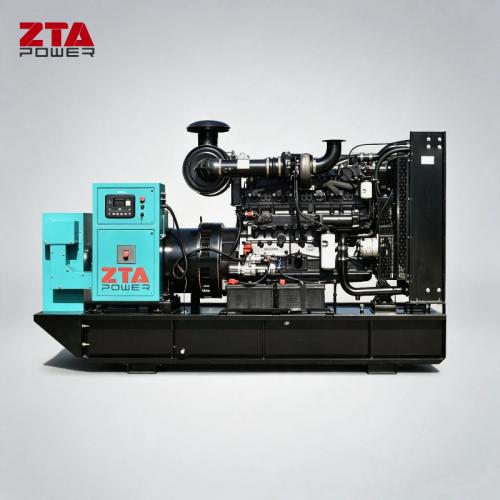
Reliable Cummins NTA855-G2A diesel generator delivering 275kW (344kVA) prime power.
Details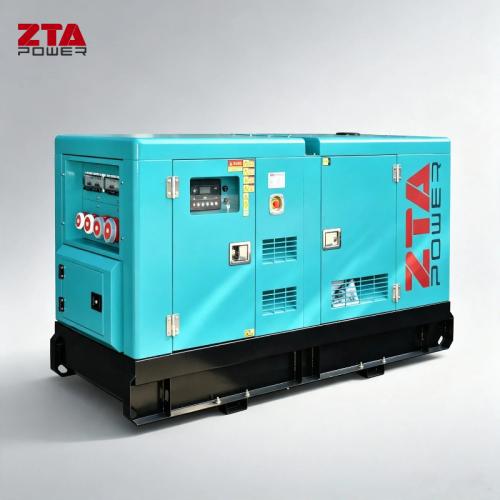
Top-rated 50Hz /60HZ Cummins generators 64kW/80kVA Cummins Prime Power Generator 4BTA3.9-G11 Engine
Details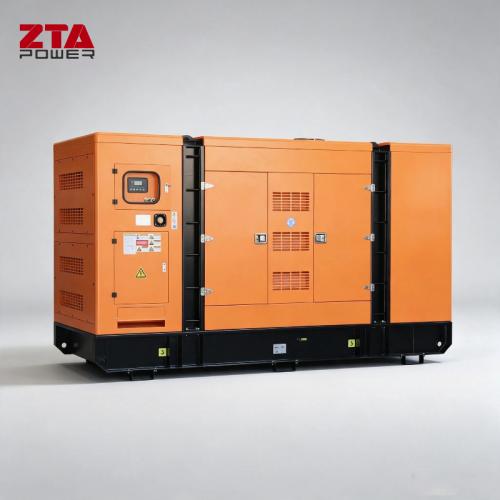
The Cummins KTA19-G8 diesel generator delivers 600kVA (480kW) of prime power (750kVA standby) in a rugged V8 configuration
Details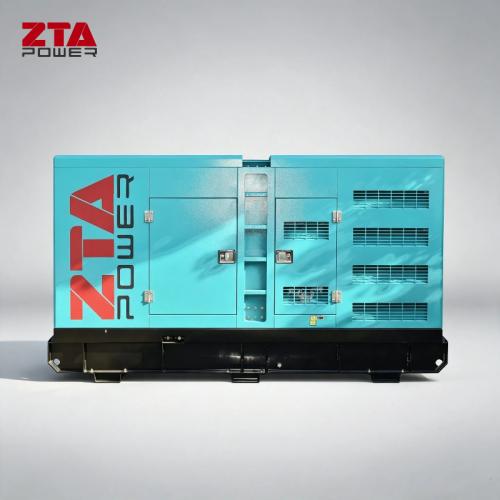
The Cummins 6CTA8.3-G2 diesel generator delivers 150kW (188kVA) of robust prime and standby power for mission-critical applications
Details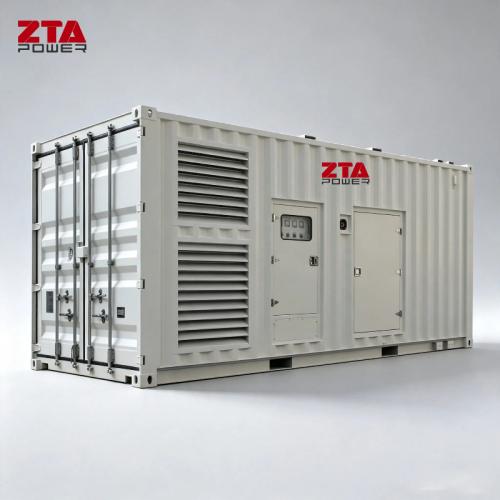
Encased in a soundproof 20-foot container, this generator set combines robust performance with noise reduction, making it ideal for environments where low noise levels are critical
Details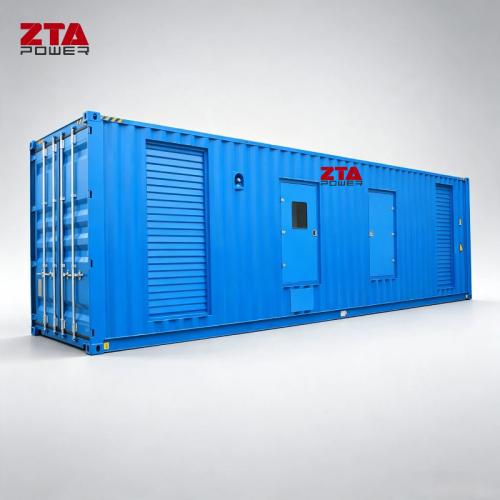
The 40ft HQ Containerized Diesel Generator Set is designed according to the dimensions of international standard containers. This design ensures that the unit will not be damaged during transportation, Which can directly load in the vessel for sea transportation.
Details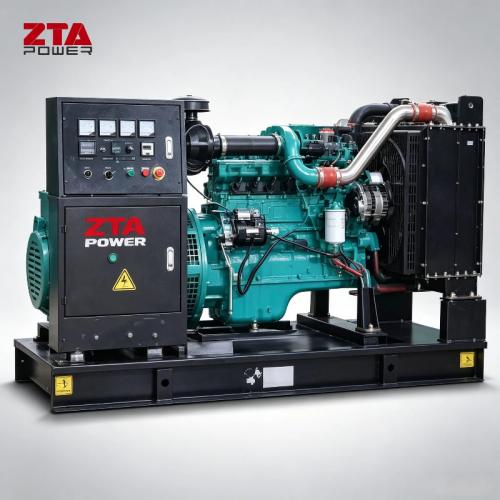
A compact, high-performance diesel generator engineered for reliable power output and fuel efficiency. Ideal for industrial, commercial, and emergency backup applications with durable construction and low maintenance requirements.
Details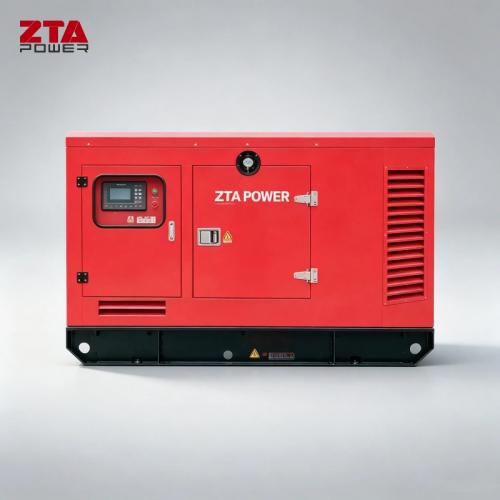
Experience uninterrupted power with our ultra-quiet generator, designed for low noise operation and high efficiency. Perfect for homes, offices, and outdoor events where peace and reliability matter most.
Details
 IPv6 network supported
 English
 français
 русский
 español
 português
 العربية
 Türkçe
 ไทย
ไทย Tiếng Việt
 Indonesia
  Filipino