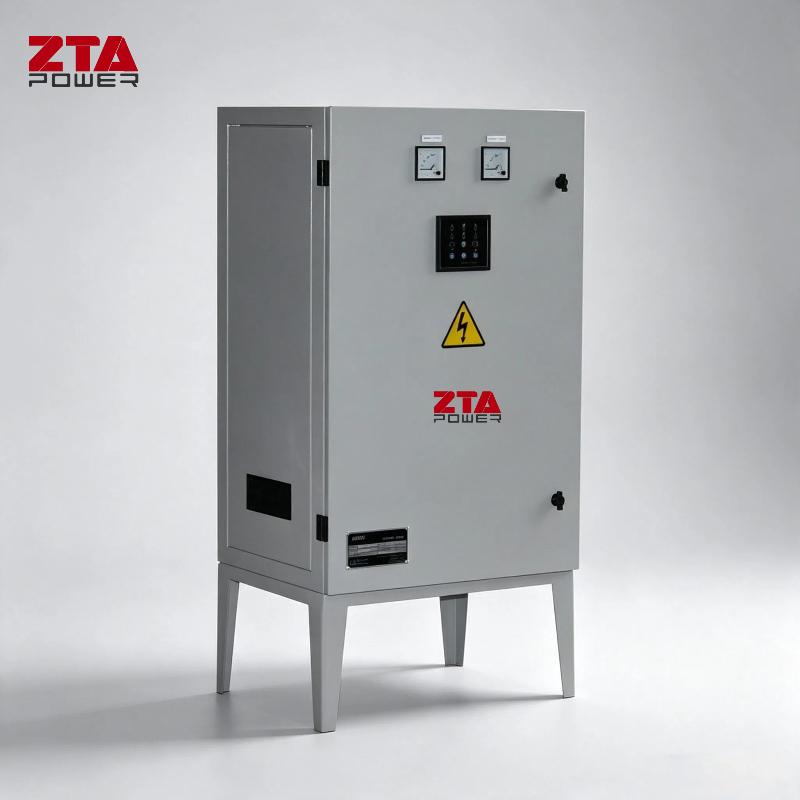
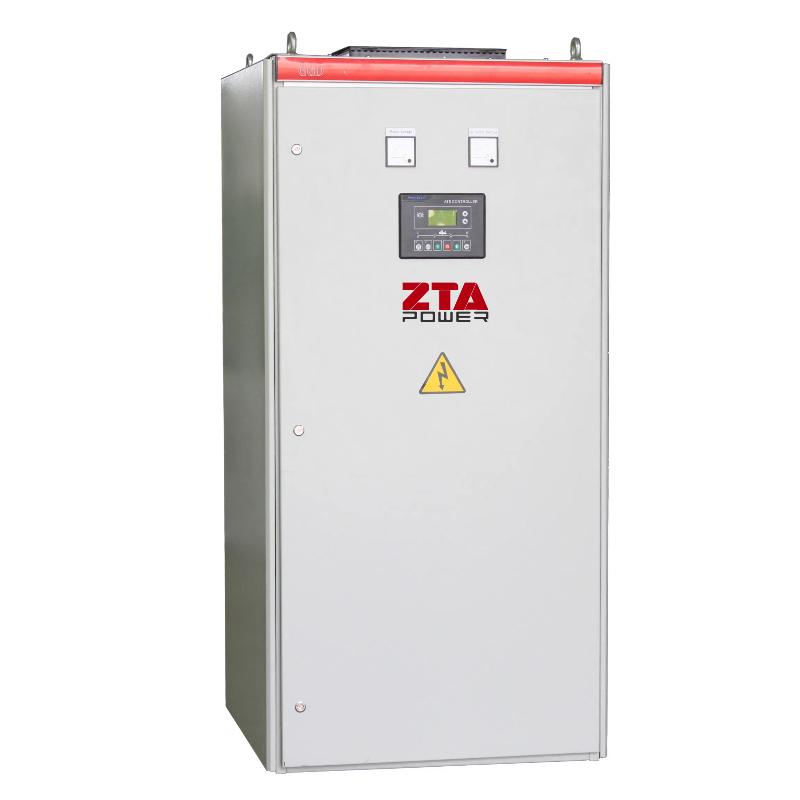
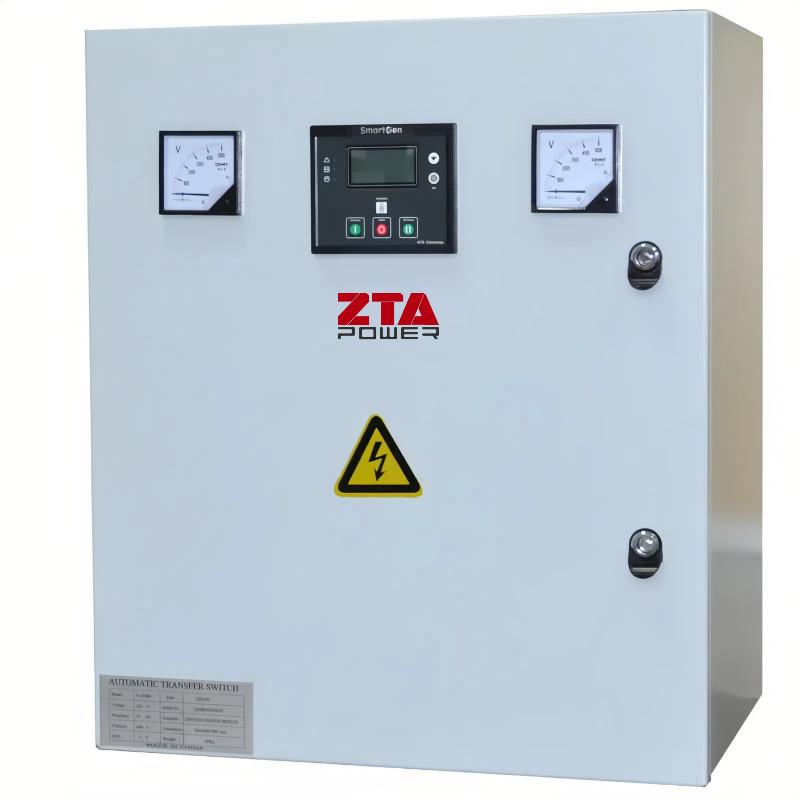
Our Automatic Transfer Switch (ATS) ensures uninterrupted power supply by automatically transferring electrical loads between utility mains and backup generators during outages
Brand:
ZTAItem NO.:
ZATSOrder(MOQ):
1Payment:
T/T 30%, 70% Before shipmentProduct Origin:
ChinaShipping Port:
Xiamen, ChinaLead Time:
1 weeksWeight:
50ATS(Automatic Transfer Switch) Between Main Power And Generator Set
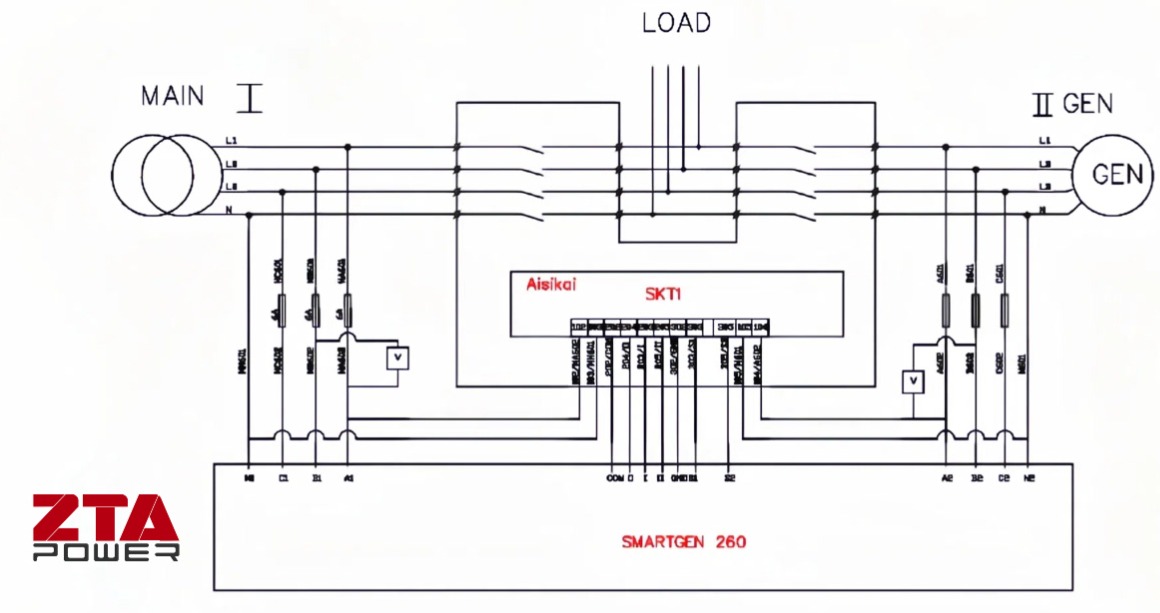
ATS series automatic transfer switch adopt high quality and reliable switch module which is designed for emergency power supply. It can transfer the load between mains and mains or between mains and generator in few seconds. It can automatically detect the voltage and frequency of mains power or generator power timely. Suppose mains power supply failed, the generator set will be automatically started to supply power to load to keep continual power supply. Once mains power returned, the generator set will be automatic stop, the load will be supplied by mains power.
The technology and performance of the ATS conform with standard of IEC60947-6-1, GB14048.11-2002.
TechnicaI Parameters
|
Agreed thermal current |
20A 40A 63A 80A 100A 125A 160A 250A | 400A 630A 800A 1000A 1250A 1600A 2000A 2500A 3200A |
|
Rated insulation voltage |
750V | 1000V |
|
Rated Impulse Withstand Voltage |
8KV | 12KV |
| Rated Voltage of the switch cooper | AC440V | |
| Rated work current le (AC-33A) | 20A 40A 63A 80A 100A 125A 160A 250A | 400A 630A 800A 1000A 1250A 1600A 2000A 2500A 3200A |
|
Rated connection capability |
10le |
|
|
Rated breaking capability |
10le |
|
| Rated conditional short-Circuit current | 7KA 10KA 13KA | 13KA 50KA 75KA |
| Electric control unit working voltage | Standard Type. AC220V, AC110V,AC280V,AC380V,DC12V and DC24V May be Custom-made As Required | |
| Instructions | The use category of the standard type products is AC-33A And If Used For AC-31A and AC-35A,Is all the same as AC-33A | |
Features:
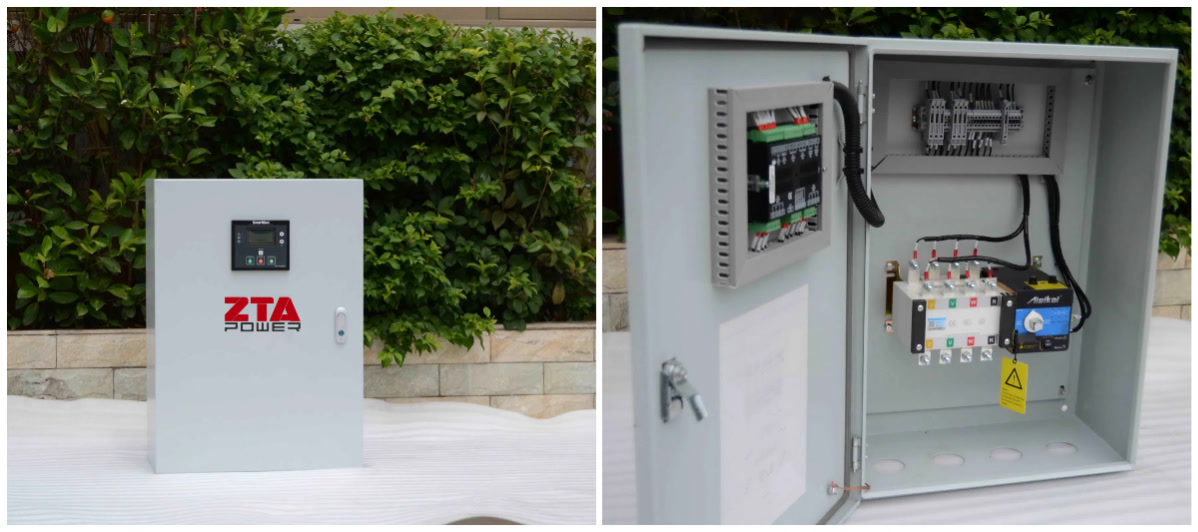
|
Manufacturer |
Xiamen ZTA Power Technology Co.,Ltd. |
|
ATS model |
ZAT 40A-2500A |
|
Capacity(A) |
40-2500amp |
|
Voltage(V) |
415V |
|
Poles |
4 poles |
|
Size(mm) L*W*H |
700mm*450*350mm; 650mm*500*1300mm; 800mm*800*1800mm |
Supply scope:
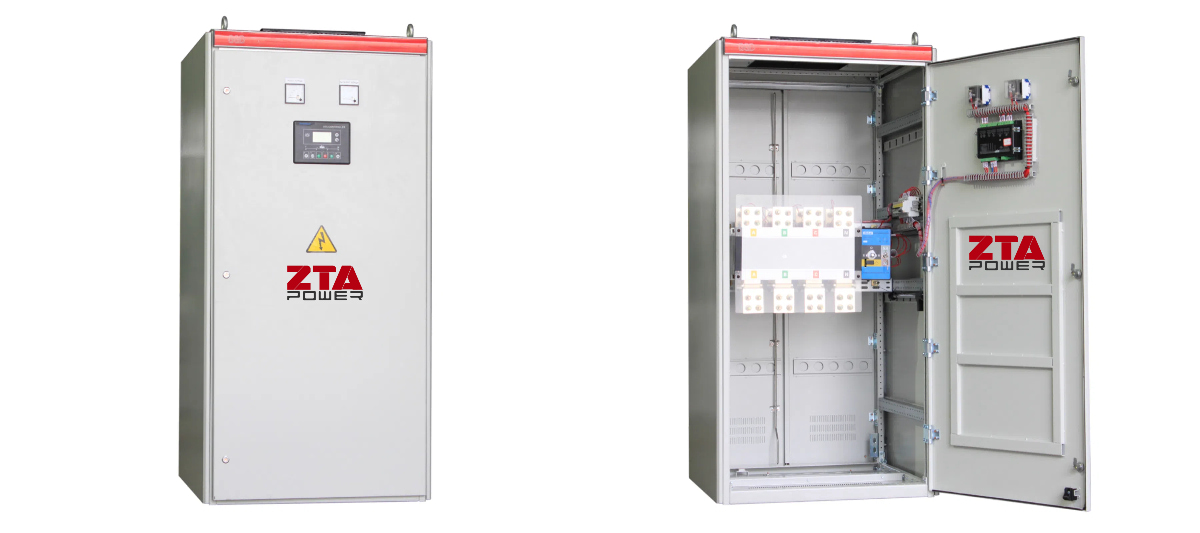
1. One changeover switch module.
2. Two voltages for mains and generator.
3. One manual/automatic switch.
4. Three lights indicating mains working condition.
5. Three lights indicating generator working condition.
6. Four fuses.
FAQ:
Q1: What is an Automatic Transfer Switch (ATS), and what does it do?
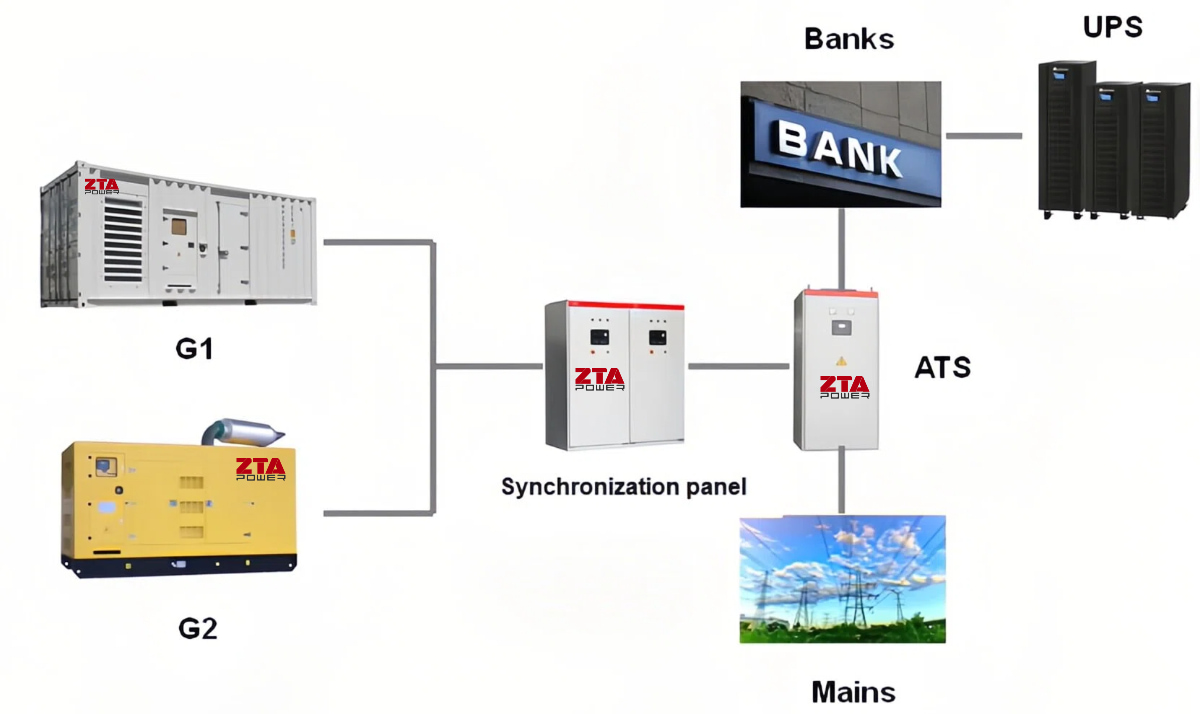
A: An Automatic Transfer Switch (ATS) is a critical component in a standby power system. It continuously monitors the utility (main) power supply. When it detects a power failure or significant voltage drop, it automatically transfers the electrical load to the backup generator. Once utility power is restored, it switches the load back and signals the generator to shut down, ensuring a seamless and reliable power supply.
Q2: Why is safety interlocking important in an ATS, and how is it achieved?
A: Safety interlocking is paramount to prevent the catastrophic scenario of the utility power and generator power being connected simultaneously (called "paralleled"). Our ATS units feature dual interlocking:
Mechanical Interlock: A physical mechanism makes it impossible for both power source contactors to be closed at the same time.
Electrical Interlock: The control logic uses electrical signals to further ensure only one source can be engaged.
This dual system guarantees a "break-before-make" transfer, protecting both personnel and equipment.
Q3: How do I choose the right ATS rating (e.g., 100A, 400A) for my application?
A: The ATS current rating must be equal to or greater than the maximum current of your main electrical panel or the protected circuit. You should calculate the total load (in Amps) you intend to back up. It is strongly recommended to consult with a qualified electrician or our engineering team to ensure correct sizing, account for inrush currents, and comply with local electrical codes.
Q4: What is the difference between an Open Transition and a Closed Transition ATS?
A:Open Transition (Break-Before-Make): The standard and most common type. It briefly disconnects the load from all power sources (creates a short "off" moment) during transfer. Suitable for most applications where a brief interruption (typically < 1 second) is acceptable.
Closed Transition (Make-Before-Break): Used for critical loads that cannot tolerate any power interruption. It synchronizes the generator with the utility before transferring, resulting in a "seamless" switch. This is more complex and costly, used in data centers, hospitals, etc.
Q5: Can I operate the ATS manually?
A: Yes. Our ATS units typically feature a manual override function. This allows you to manually initiate a transfer or return to the main source using a switch/lever on the unit for maintenance, testing, or emergency control, even if the automatic controller fails.
Q6: What maintenance does an ATS require?
A: Regular maintenance is essential for reliability. We recommend:
Monthly: Visual inspection for dust, loose connections, or signs of overheating.
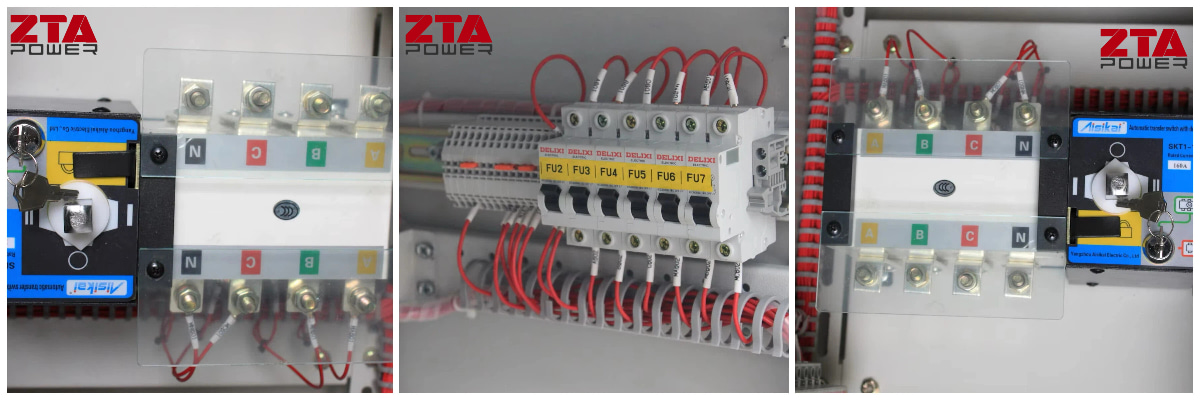
Bi-Annually/Annually: Perform a manual transfer test under load (as part of your generator exercise routine). Have a certified technician inspect and tighten electrical connections, check mechanical components, and verify control settings. Always follow the manufacturer's specific maintenance schedule.
Q7: How is the ATS connected and installed?
A: The ATS is installed between your main utility meter panel and your critical load panel (and the generator). Installation must be performed by a licensed electrician in accordance with all national and local electrical codes (e.g., NEC in the US). It involves high-voltage connections to both power sources and the load, as well as low-voltage control wiring to the generator controller.
Q8: Does the ATS come with a control panel and generator start signal?
A: Yes. Our standard ATS panels include an integrated controller with status indicators. They automatically send a start signal to the generator upon detecting a mains failure. They also monitor generator voltage/frequency before transferring the load and manage the cool-down cycle before shutting the generator off after utility return.
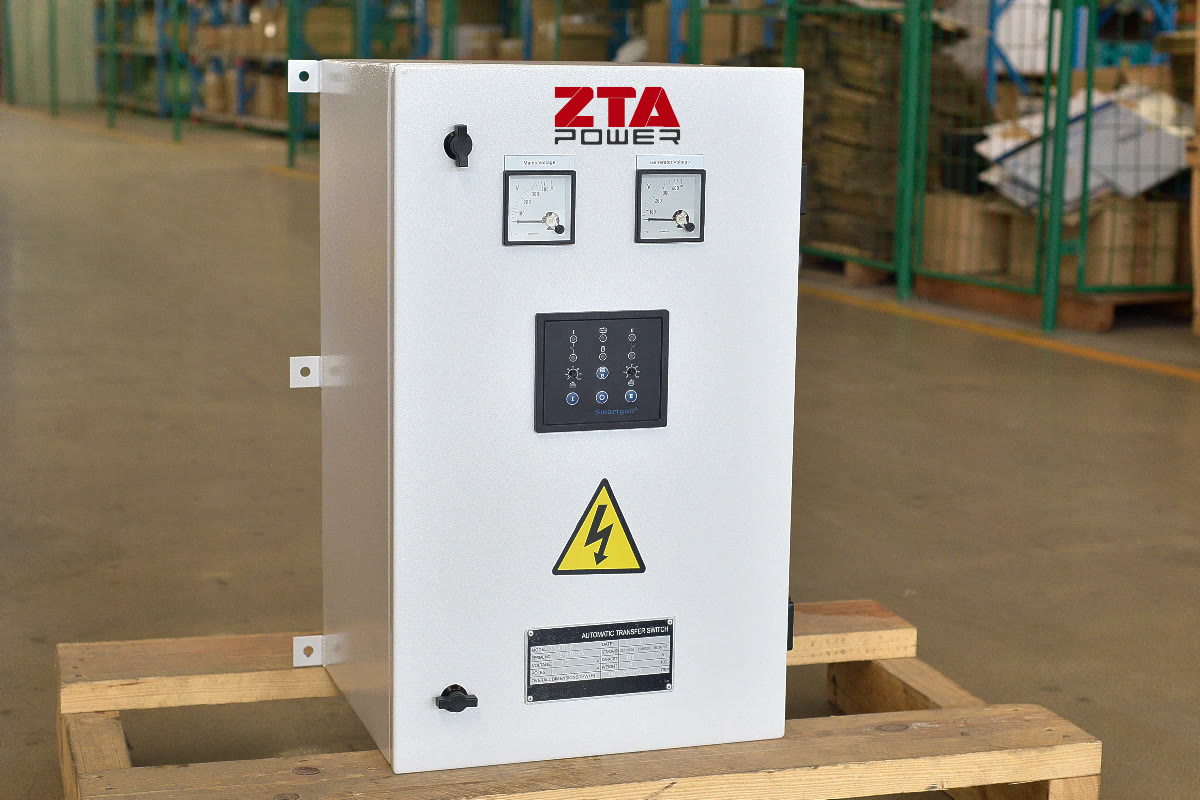
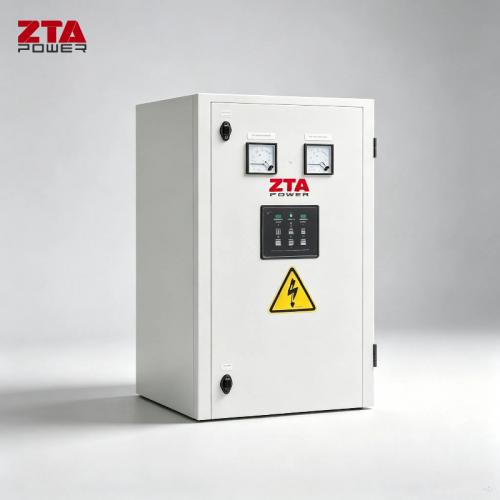
Ensure uninterrupted power with our 100 Amp Automatic Transfer Switch (ATS)—the ideal solution for seamless switching between utility and generator power during outages.
Details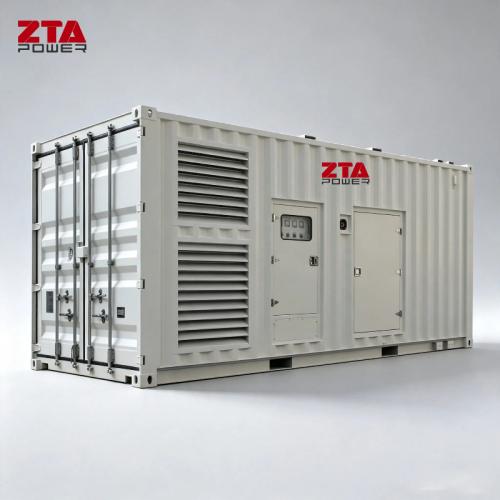
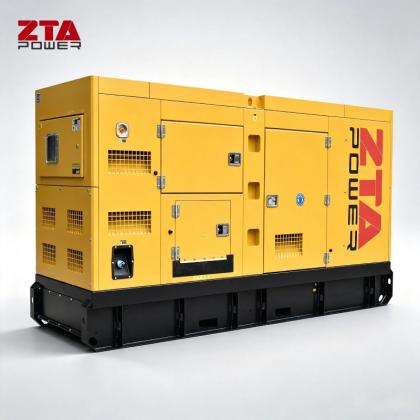
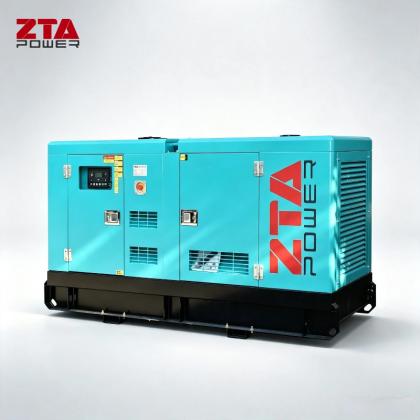
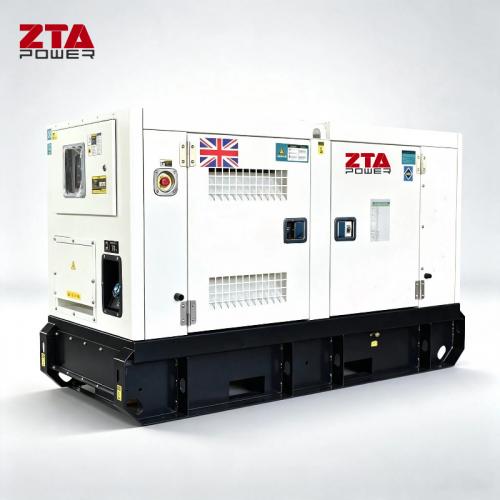
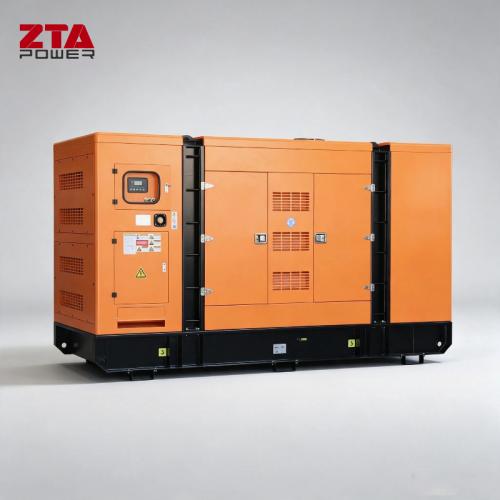
Encased in a soundproof 20-foot container, this generator set combines robust performance with noise reduction, making it ideal for environments where low noise levels are critical
Details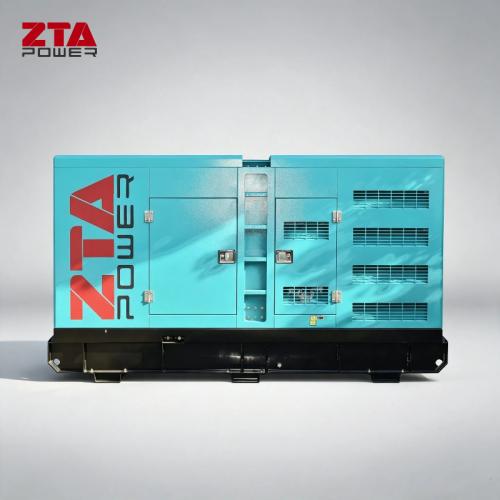
The Cummins 6CTA8.3-G2 diesel generator delivers 150kW (188kVA) of robust prime and standby power for mission-critical applications
Details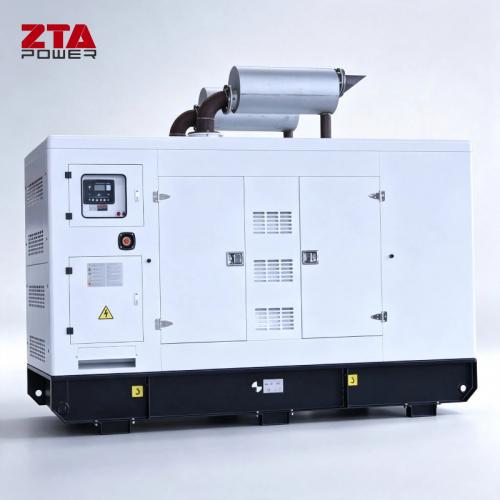
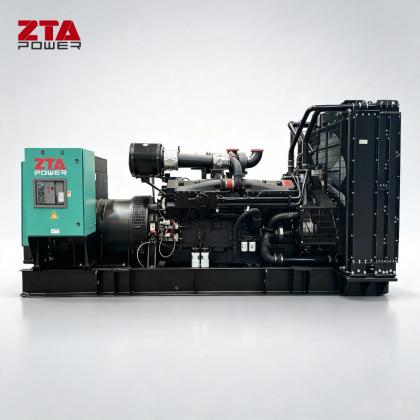
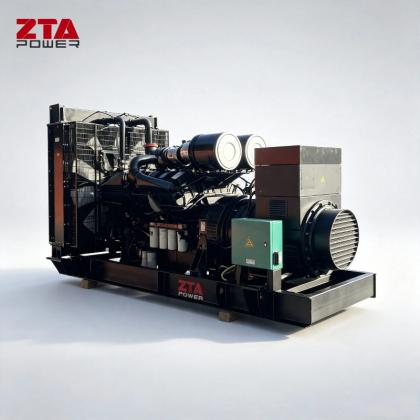
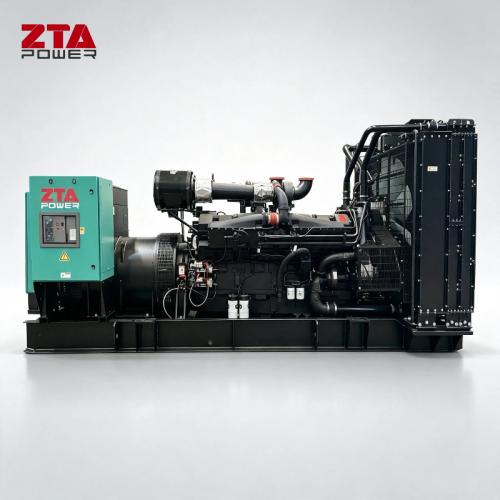
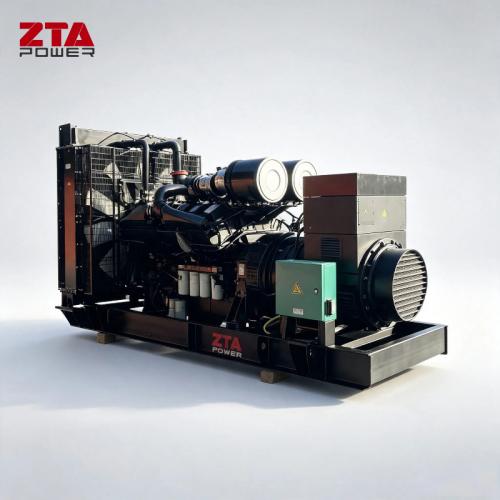
The 520kW / 650kVA Diesel Generator Set is powered by the robust Cummins QSK19-G4 engine. Designed for maximum reliability in prime and standby applications, it delivers superior performance for industrial, mining, and large-scale commercial power needs.
Details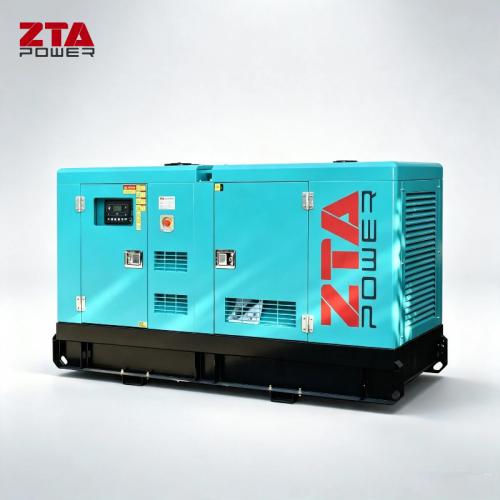
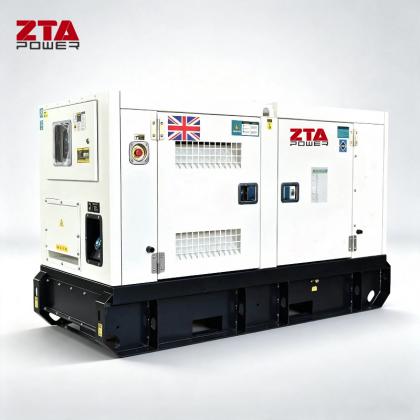
ZTA Power offers the reliable Perkins 1104A-44TG2 64kW / 80kVA diesel generator for prime and standby power. Get competitive pricing, full specifications, and worldwide shipping
Details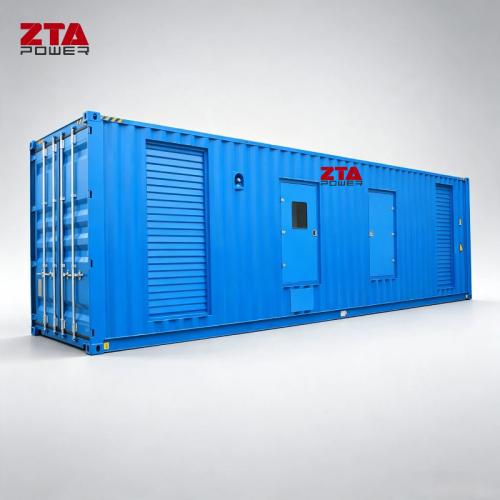
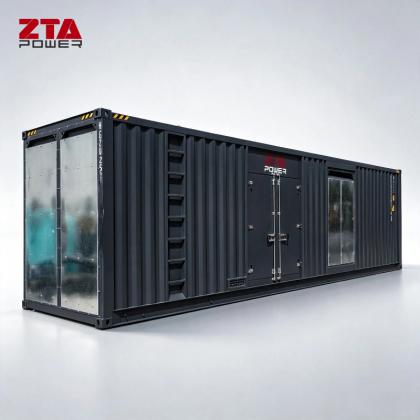
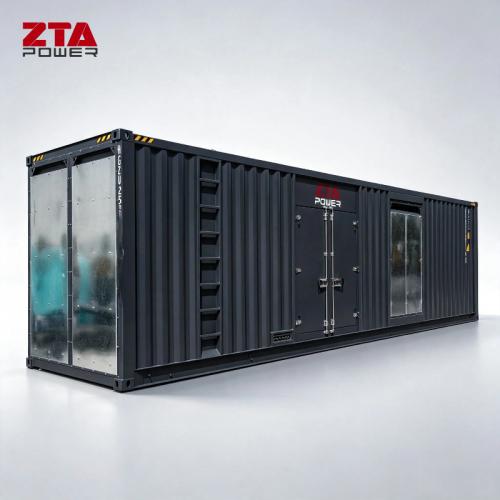
The 40ft HQ Containerized Diesel Generator Set is designed according to the dimensions of international standard containers. This design ensures that the unit will not be damaged during transportation, Which can directly load in the vessel for sea transportation.
Details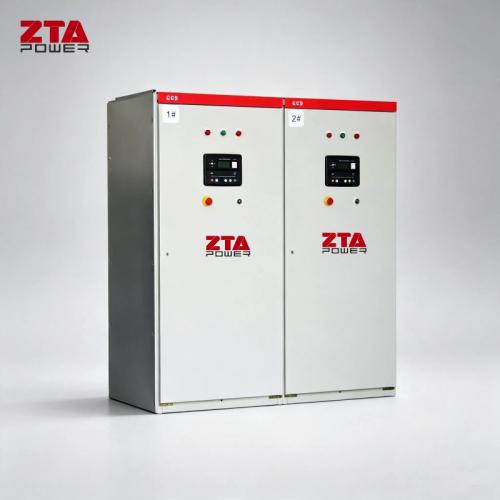
The Advanced Parallel Genset Control System The Deepsea 8610 Synchronization Panel is a sophisticated control system designed for automatic paralleling of multiple generator sets (2-32 units)
Details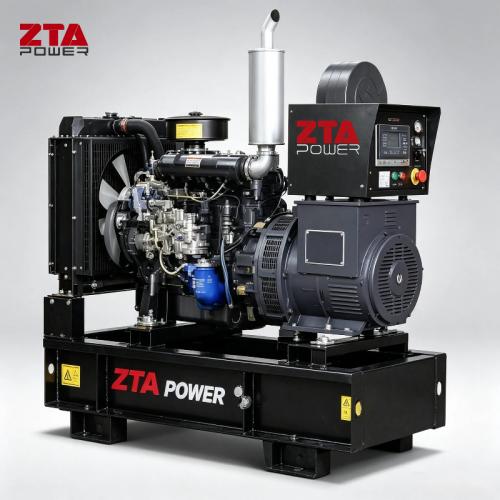
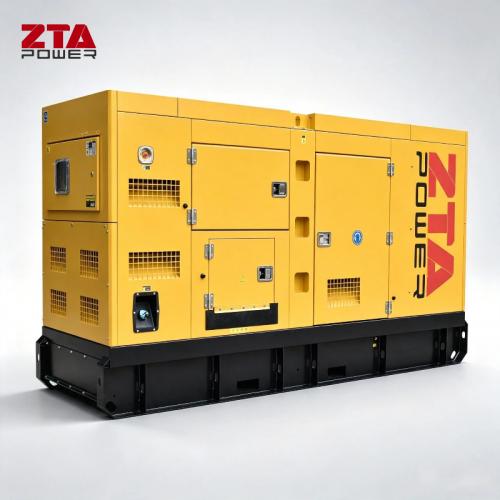
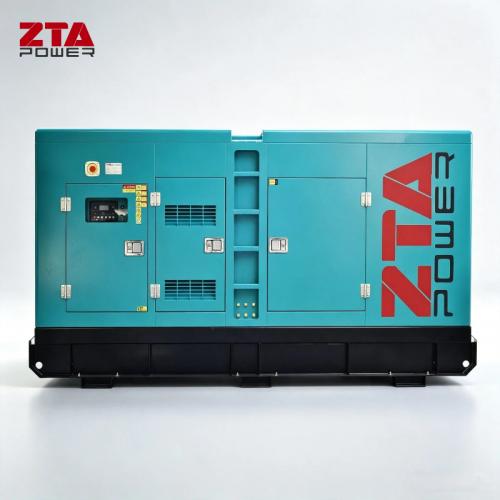
Powered by Yangdong’s YD Series High-Quality diesel engines, with the durability and low fuel consumption. ZTA POWER Diesel Generator Set With Compeititve price with Hot Sale In the world Market.
Details
 IPv6 network supported
 English
 français
 русский
 español
 português
 العربية
 Türkçe
 ไทย
ไทย Tiếng Việt
 Indonesia
  Filipino