How to Properly Use and Maintain Diesel Generator Set Cooling System?
How to Properly Use and Maintain Water Cooled Diesel Generator Set Cooling System
Introduction
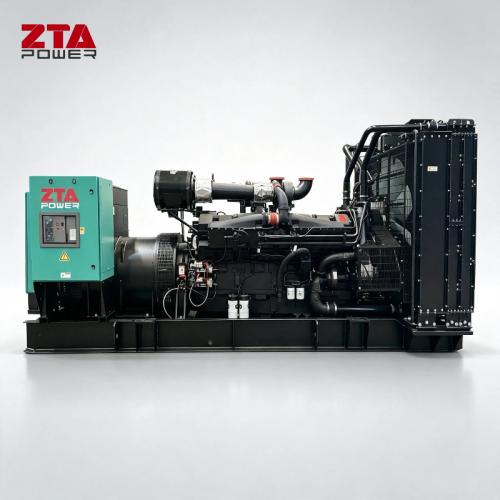
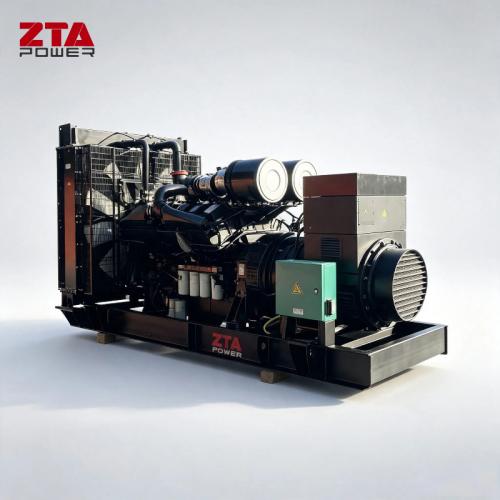
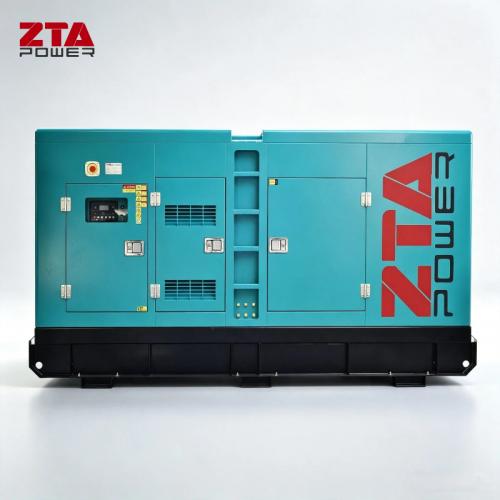
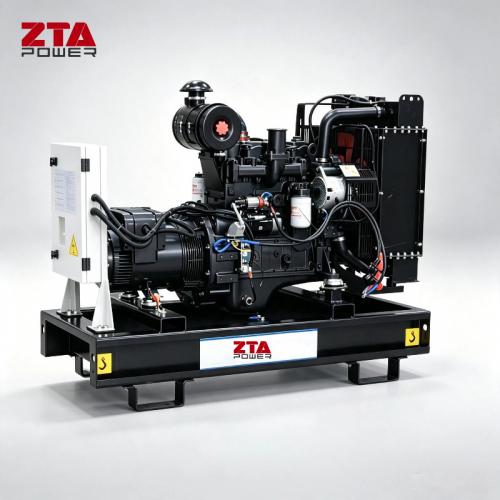
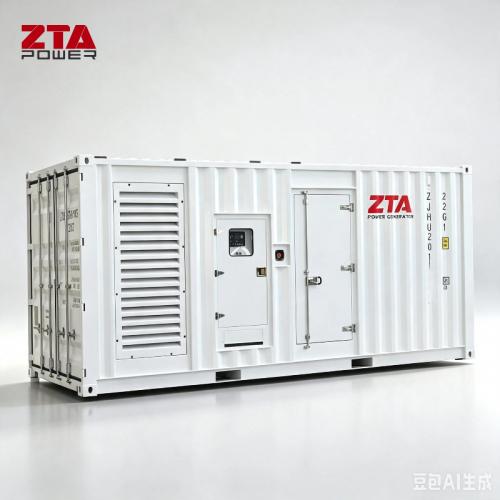
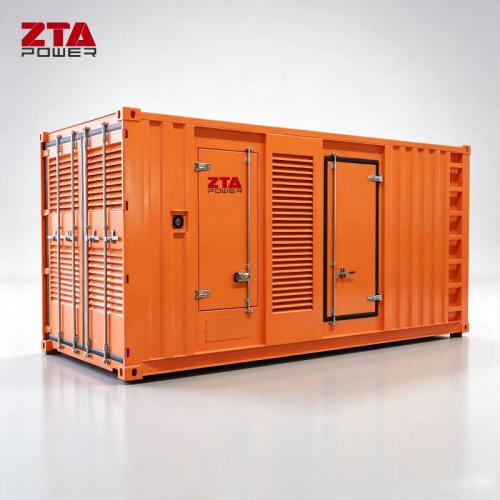
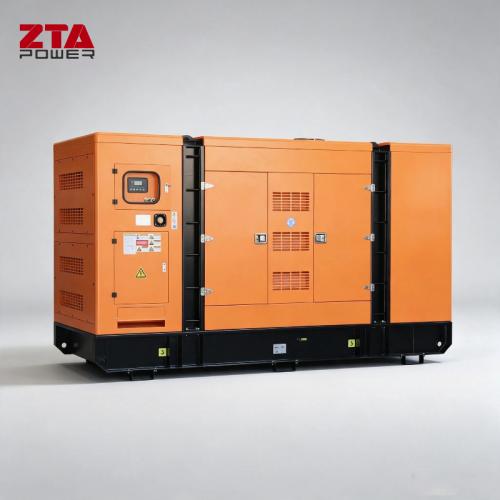
A water cooled diesel generator set is a critical power equipment widely used in industrial, commercial, and residential applications. The cooling system of a diesel generator set is one of its most vital components, directly affecting the equipment's efficiency, stability, and service life.
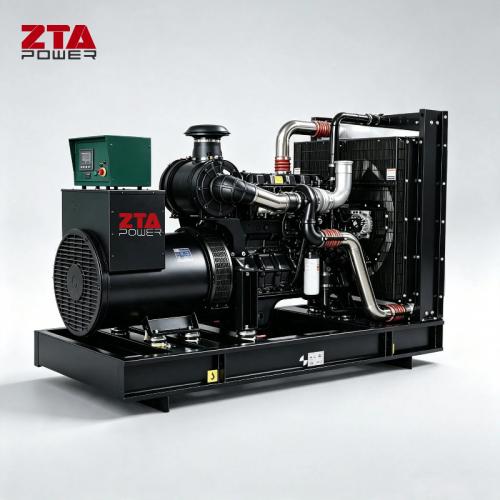
The cooling system typically consists of a radiator, water pump, fan, thermostat, coolant (antifreeze), water pipes, and other components. Its primary function is to maintain the engine within an optimal temperature range, preventing overheating or overcooling, thereby ensuring operational efficiency and prolonging equipment life.
In this comprehensive guide, we'll walk you through the correct usage methods for diesel generator cooling systems, covering daily maintenance, operational standards, and fault prevention to ensure stable equipment operation and extended service life.
1. Coolant Selection and Management
1.1 Choosing the Right Coolant Type
When operating a water cooled diesel generator set, selecting the correct coolant is paramount:
l Manufacturer Specifications: Always use the antifreeze model specified by the manufacturer (typically ethylene glycol-based)
l Avoid Mixing: Never mix different brands or colors of coolant, as chemical reactions can occur, leading to cooling system blockages
l Climate Considerations:
1.2 Concentration Control
Proper coolant concentration is essential for optimal performance:
Mixing Ratio: The typical ratio of antifreeze to pure water is 1:1 (concentration 40%~60%)
Consequences of Incorrect Concentration:
Too high: Poor fluidity, reduced heat transfer efficiency
Too low: Decreased rust prevention capabilities
l Regular Testing: Use a hydrometer to test concentration monthly during winter months to ensure the freezing point meets environmental requirements
1.3 Coolant Replacement Cycle
Regular coolant replacement is crucial for maintaining your diesel generator set cooling system:
Standard Antifreeze: Replace every 2 years or 2,000 operating hours
Long-life Antifreeze: Can be extended to 5 years or 5,000 hours
Replacement Procedure: Thoroughly flush the system to remove scale and sediment (reverse flushing is recommended)
2. Daily Inspection and Maintenance
2.1 Coolant Level Monitoring
Regular monitoring of coolant levels helps prevent overheating:
Check Timing: Always check the expansion tank coolant level when the engine is cold
Proper Level: Maintain between "MAX" and "MIN" marks
Abnormal Drop: If the water level drops abnormally, immediately check for leaks (focus on water pump seals, pipe joints, and radiator welds)
2.2 Radiator Cleaning and Maintenance
A clean radiator is essential for efficient heat dissipation in your water cooled diesel generator set:
External Cleaning: Clean blockages (dust, willow catkins, etc.) monthly
Use high-pressure water gun at an angle not exceeding 30° to avoid damaging radiator fins
Internal Scale Treatment:
Use professional cleaning agents for circulation descaling every six months
Example: 5% citric acid solution soaked for 2 hours
2.3 Water Pump and Fan Inspection
Weekly inspections of these components can prevent major failures:
Water Pump Belt:
Check tension (10~15mm depression is normal)
Replace immediately if cracked or worn by more than 30%
Fan Blades:
Ensure no deformation
Verify good balance
Check for abnormal vibration during high-speed operation
3. Operational Procedures for Water Cooled Diesel Generator Set
3.1 Pre-Start Preparation
Proper preparation ensures smooth startup:
Thermostat Check: Verify the thermostat is not stuck (check if the coolant small circulation is normal)
Cold Weather Preparation: Preheat to above 15°C in low-temperature environments
Heating Devices: In cold weather, activate electric heating devices in advance (such as oil pan heaters, coolant preheaters)
3.2 Temperature Control During Operation
Maintaining proper operating temperature is critical:
Normal Range: Water temperature should stabilize between 80~95°C during normal operation
Emergency Threshold: Short-term allowance up to 100°C; emergency shutdown required if exceeding 105°C
Avoid Thermal Stress: Prevent frequent alternating hot and cold cycles (such as intermittent start-stop) to avoid cylinder head thermal stress cracking
3.3 Load Matching and Monitoring
Proper load management protects your diesel generator cooling system:
Post-Loading Monitoring: Continuously monitor water temperature after loading
High Temperature Response: If temperature continuously rises above 90°C, reduce load or check cooling efficiency
Ventilation Requirements: During high-load operation, ensure equipment room ventilation is ≥1.5 times the generator set's heat dissipation capacity
4. Key Component Maintenance
4.1 Thermostat Testing and Replacement
The thermostat plays a crucial role in regulating engine temperature:
Testing Frequency: Test opening temperature every 500 hours
Normal Parameters:
Starts opening at 82°C
Fully open at 95°C
l Consequences of Removal: Temporarily removing the thermostat causes the diesel engine to run too cold, leading to increased wear (fuel consumption increases by 10%~15%)
4.2 Pipes and Joints Maintenance
Regular inspection and replacement of pipes prevents leaks:
Silicone Hoses: Replace every 3 years
Rubber Pipes: Replace every 5 years
Early Replacement Indicators: Hardening, expansion, or other aging signs
Clamp Torque: Follow specifications (e.g., M6 bolt torque 4~6N·m) to prevent leakage or pipe burst
4.3 Cooling System Air Bleeding
Proper air bleeding ensures efficient coolant circulation:
After replacing coolant, start the engine and run at idle speed
Loosen the bleed valve (or radiator cap) to discharge air
Continue until coolant flow is stable without bubbles
5. Special Environment Considerations
5.1 High-Temperature Environments
When operating a water cooled diesel generator set in hot climates:
Install auxiliary radiators or spray cooling systems (activate when ambient temperature >40°C)
Avoid direct sunlight on the radiator
Install heat insulation layers on the equipment room roof
5.2 High-Altitude Operations
Altitude affects cooling efficiency:
Radiator Sizing: Increase radiator area by 15%~20% (for every 1,000 meters elevation, cooling efficiency drops by 10%)
Coolant Selection: Use high-boiling point antifreeze (boiling point ≥120°C) to prevent "boiling over"
5.3 Dusty/Salt Spray Environments
Harsh environments require additional protective measures:
Dust Protection: Install dust screens on radiators (clean weekly)
Corrosion Prevention: Prioritize 316L stainless steel components for salt spray environments
Coolant pH Monitoring: Test monthly, maintain between 7.5~11; replace immediately if too acidic
6. Safety Precautions
6.1 High-Temperature Protection
Safety should always be your first priority:
Wear heat-insulating gloves during maintenance
Wait until water temperature drops below 50°C before operating
6.2 Environmental Protection
Proper disposal of waste coolant is both legal and environmentally responsible:
Treat waste coolant as hazardous waste (ethylene glycol is toxic)
Never pour directly into drains or onto the ground
6.3 Electrical Safety
Prevent electrical accidents during maintenance:
Disconnect power before inspecting electric-driven fans
Prevent accidental startup
6.4 Long-Term Storage Maintenance
If your diesel generator set will be out of service for an extended period:
Drain coolant and blow-dry pipes
Fill radiator with preservative
Start and run for 10 minutes monthly to circulate rust preventive
Conclusion
Proper operation and maintenance of a water cooled diesel generator set cooling system involves adherence to operational standards, environmental adaptation, daily inspections, maintenance procedures, and fault handling. Key aspects include:
✓ Coolant selection and replacement cycles
✓ Water level monitoring
✓ Radiator cleaning
✓ Water pump and fan operational status
✓ Thermostat functionality
✓ Winter anti-freezing measures
✓ Corrosion prevention
✓ Leak inspection
✓ System air bleeding
By following these methods, you can ensure the cooling system efficiently dissipates heat, reduces failure rates, and extends the diesel generator set major overhaul cycle to over 10,000 hours.
About ZTA Power
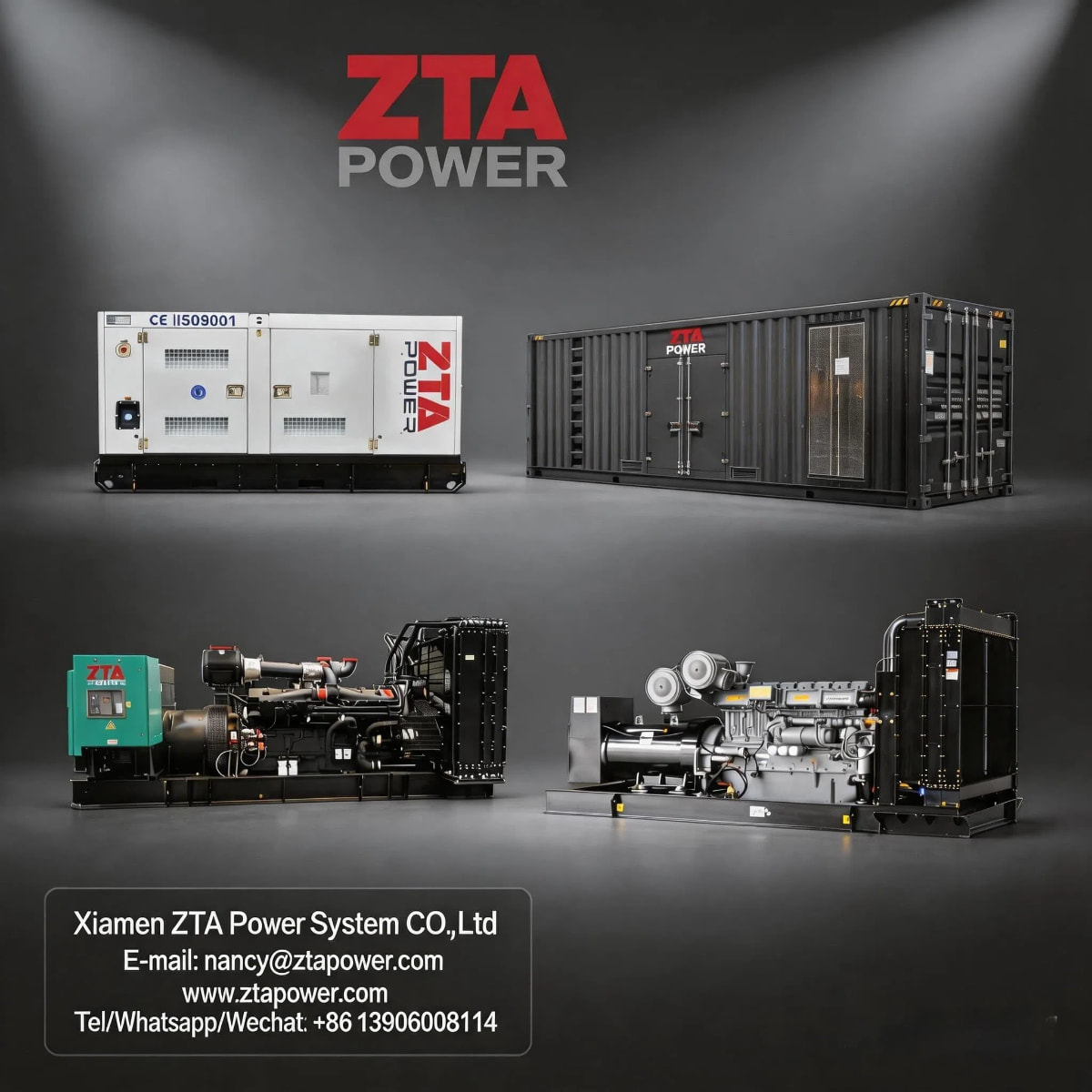
ZTA Power specializes in manufacturing high-quality water cooled diesel generator sets and power generation equipment. Our products are designed for durability, efficiency, and reliable performance in various applications. For more information about our diesel generator sets and technical support, please visit our website at www.ztapower.com.

 IPv6 network supported
 English
 français
 русский
 español
 português
 العربية
 Türkçe
 ไทย
ไทย Tiếng Việt
 Indonesia
  Filipino