How To Preventing overheating shutdown On Summer High Temperature For Generator Sets?
Summer High Temperature Generator Maintenance Guide: Preventing Overheating and Shutdown
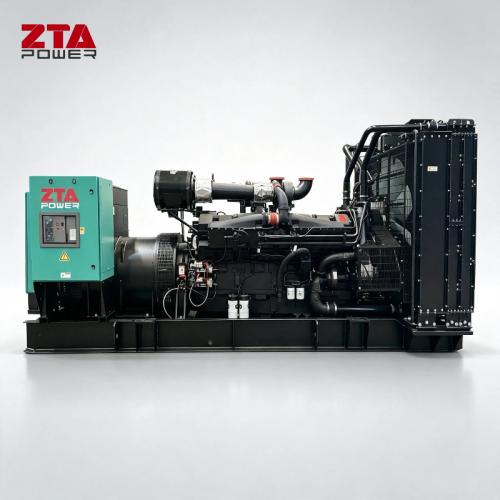
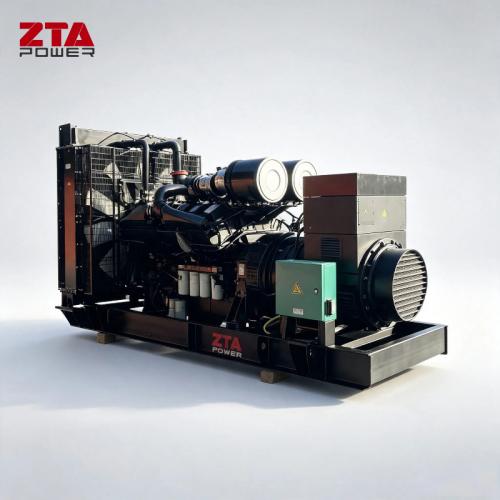
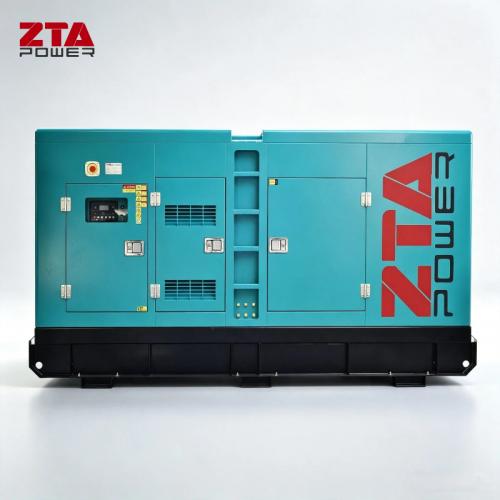
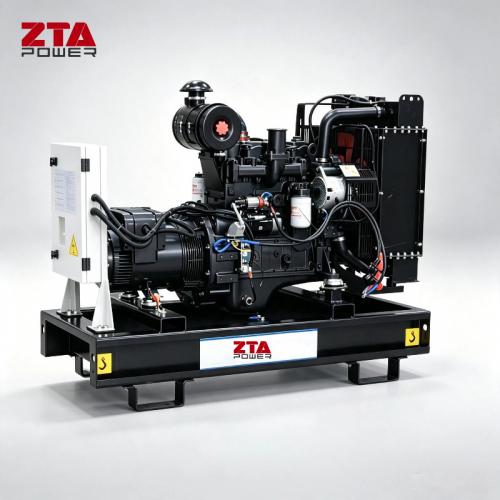
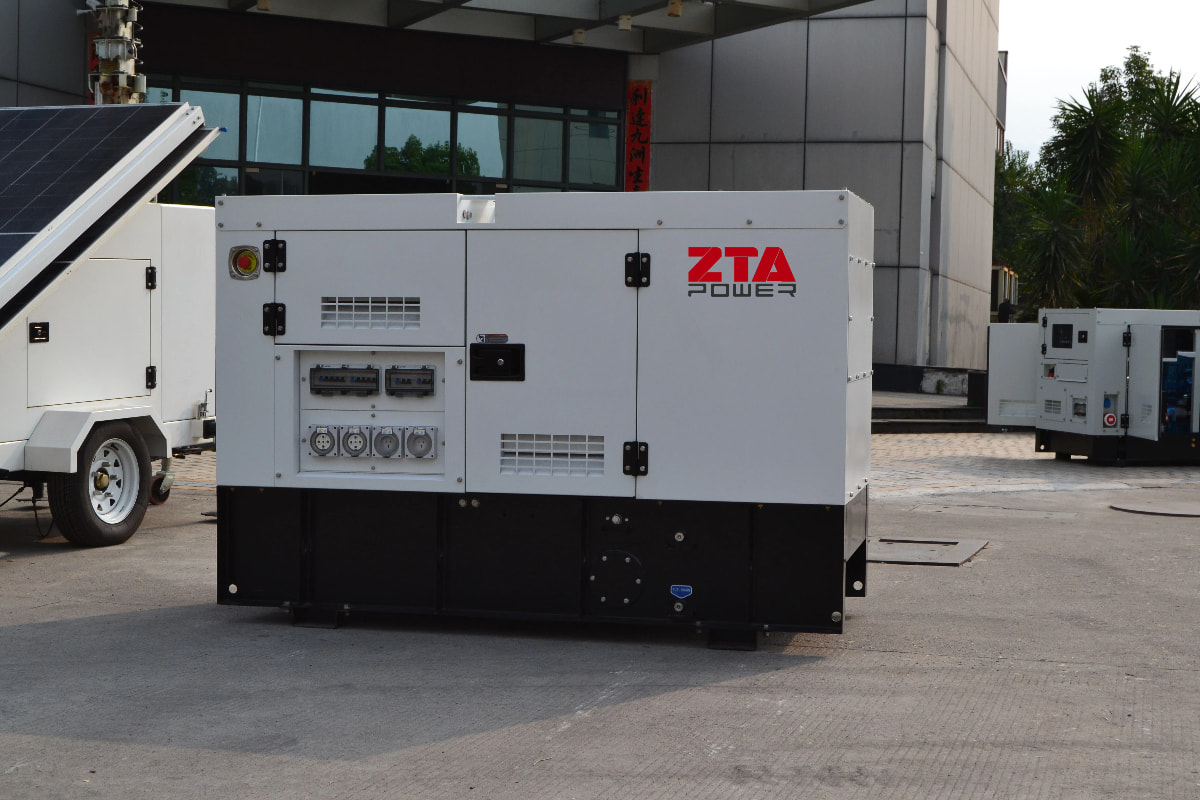
As temperatures soar during the scorching summer months, extreme heat poses significant challenges not only to people but also to mechanical equipment like generators. Both open type generator sets and silent generator sets face increased risks of overheating when operating in high-temperature environments. Overheating can lead to unexpected shutdowns, disrupting operations and potentially causing severe damage that shortens equipment lifespan. Therefore, understanding proper generator maintenance during summer is crucial for preventing overheating and ensuring reliable power supply.
Whether you are using an open type generator set or a silent generator set, the following maintenance tips will help you keep your equipment running smoothly throughout the hottest months of the year.
1. Cooling System Deep Cleaning and Maintenance
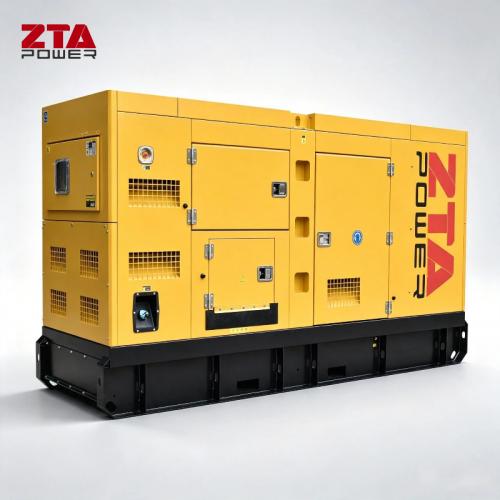
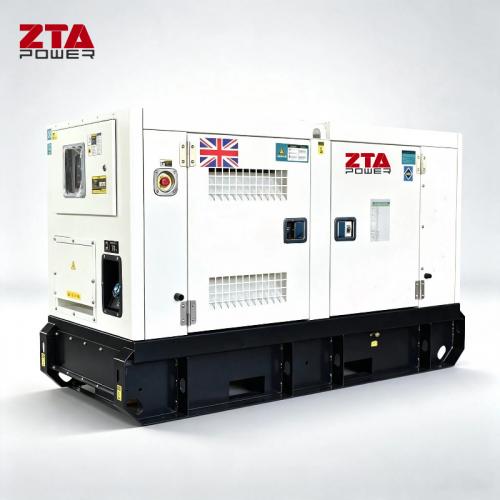
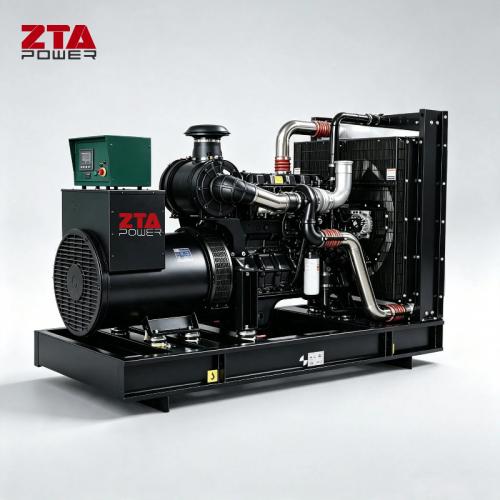
A generator's cooling system functions like the human body's sweat glands – it is the key to maintaining normal operating temperatures. During summer, cooling system maintenance becomes even more critical. For open type generator sets, the open structure makes radiators more susceptible to dust and debris accumulation. For silent generator sets, although the enclosure provides protection, the cooling channels within the soundproof canopy require regular cleaning.
1.1 Clean the Radiator Surface Regularly
Over time, radiators accumulate substantial amounts of dust, debris, and insect remains. This buildup acts like a thick blanket, blocking airflow and significantly reducing cooling efficiency. To clean the radiator, use compressed air or a soft-bristled brush. Compressed air can blow out dust from deep within the radiator fins, while a soft brush can remove more stubborn dirt from the surface.
When cleaning, make sure to work from both the front and back of the radiator to ensure every cooling fin is thoroughly cleaned. For industrial generator sets, which typically have larger radiators, cleaning requires even more thorough attention.
1.2 Inspect Cooling Fan Operation
The cooling fan is a vital component of the cooling system, actively pushing or pulling air through the radiator to accelerate heat dissipation. If the fan malfunctions – due to damaged blades, motor failure, or bearing wear – cooling efficiency will be severely compromised.
Regularly inspect the fan blades for completeness, checking for any deformation, cracks, or breakage. Additionally, check that the fan motor operates smoothly without unusual noises or vibrations. If any issues are detected, repair or replace the fan immediately. Whether you operate an open type generator set or a silent generator set, proper cooling fan operation is essential for overheating prevention.
1.3 Monitor Coolant Level and Quality
Coolant is the critical medium in the cooling system, absorbing heat generated during engine operation and dissipating it through the radiator. In summer, coolant evaporation accelerates, making regular level checks essential.
Ensure the coolant level stays within the specified range. If the level is low, top up with the appropriate coolant mixture. Also pay attention to coolant quality – replace coolant regularly to prevent degradation that can impair cooling performance. We recommend changing coolant every 500 operating hours or every six months, whichever comes first.
2. Plan Operating Time and Load Reasonably
During summer heat, a generator's operating time and load directly impact its temperature. Therefore, reasonable planning of operating schedules and load distribution is a critical measure to prevent overheating shutdowns.
2.1 Schedule Operating Time Scientifically
Avoid continuous long-term operation whenever possible. If extended operation is necessary, adopt an intermittent running approach – operate for a period, then shut down to allow the generator to cool before resuming. For example, run for 2-3 hours, then rest for 30 minutes to 1 hour. This gives the generator adequate time to dissipate heat and reduces overheating risks. For heavy-duty generator sets with larger power outputs, careful attention to operating time is even more important.
2.2 Distribute Load Properly
Always operate generators within their rated power capacity. Overloading forces the generator to produce more heat, accelerating temperature rise. In summer, when cooling capacity is already compromised by high ambient temperatures, overloading becomes even more dangerous and likely to trigger overheating shutdowns.
Ensure loads stay within the generator's rated power range and make adjustments based on actual conditions. If the load exceeds current capacity, consider adding more generator sets or upgrading to a higher-power unit. We offer open type generator sets and silent generator sets across various power ranges to meet different application scenarios.
3. Improve the Operating Environment
The operating environment significantly affects generator temperature. During summer, take steps to improve the environment and create better cooling conditions.
3.1 Ensure Adequate Ventilation Space
Generators require substantial airflow for cooling during operation. If surrounding space is limited and air circulation is poor, cooling effectiveness will be compromised. When installing a generator, ensure adequate clearance from other equipment or obstacles – generally at least 1 meter on all sides – to allow free air movement.
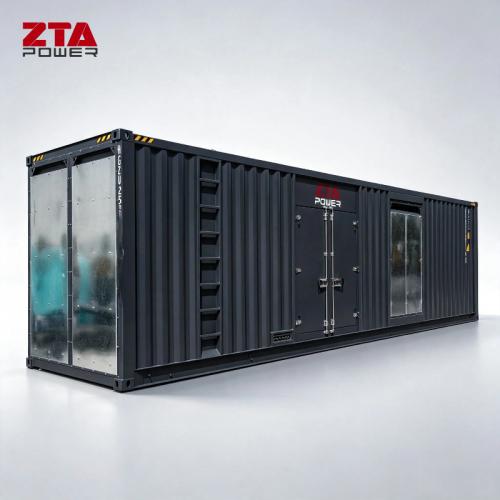
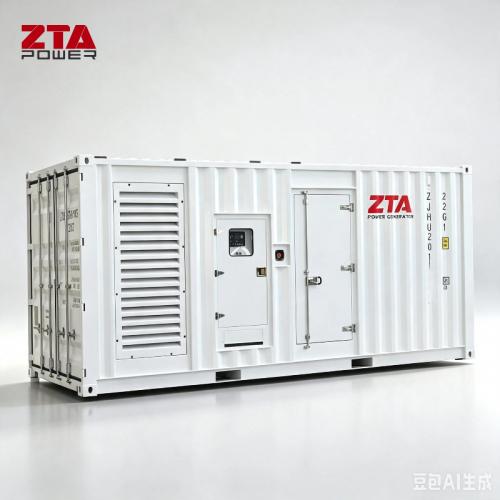
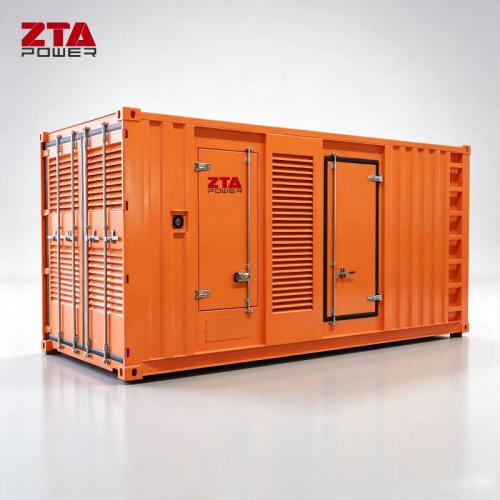
For container generator sets, although the structure is compact, you must still ensure the container's ventilation openings are not blocked.
3.2 Avoid Direct Sunlight
Direct sunlight raises the generator's surface temperature and increases the cooling burden. Whenever possible, install generators under shade structures, such as canopies or in well-ventilated indoor areas. If avoiding direct sunlight is impossible, consider covering the generator with insulating materials like thermal blankets or heat shields to reduce direct solar impact.
This is particularly important for outdoor-installed open type generator sets.
3.3 Maintain Good Environmental Ventilation
Poor ventilation in the generator's operating environment traps heat and drives up equipment temperature. Ensure there are no obstacles blocking airflow around the generator, such as debris, walls, or stored materials. You can also install additional ventilation equipment, such as exhaust fans or ventilation ducts, to accelerate air circulation and improve cooling.
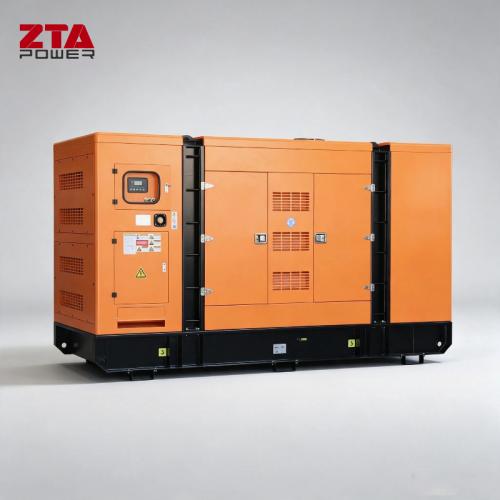
For silent generator sets installed in generator rooms, the room's exhaust system requires regular inspection and maintenance.
4. Regular Inspection and Maintenance
Regular inspection and maintenance are the keys to ensuring generators operate properly in summer heat. Through regular checks, you can identify problems early and take corrective action before minor issues accumulate into major failures like overheating shutdowns.
4.1 Check Engine Oil
Inspect all generator components regularly, including the engine, alternator, and control system. Check engine oil level and quality to ensure proper lubrication of all moving parts, reducing friction-generated heat. We recommend checking oil level every 250 operating hours or every three months, whichever comes first, and changing oil and oil filters every 500 hours or annually.
4.2 Monitor Alternator Winding Temperature
Check the alternator's winding temperature, insulation resistance, and other parameters to ensure proper power generation. If winding temperature is too high
Related Articles
How To Reduce Noise db Pollution From Diesel Generator Sets
The Widespread Applications Of Diesel Generators In Daily Life

 IPv6 network supported
 English
 français
 русский
 español
 português
 العربية
 Türkçe
 ไทย
ไทย Tiếng Việt
 Indonesia
  Filipino