Why Is My Diesel Generator Set Charging Voltage Low? A Complete Troubleshooting Guide
Introduction
A diesel generator set is a critical piece of equipment that provides reliable backup power for industrial, commercial, and residential applications. At the heart of every power generator lies its charging system, which serves two essential functions: supplying stable AC power to connected electrical devices and charging the generator's own control, starting, and monitoring systems (typically DC-powered).
When your generator set experiences low charging voltage, it's rarely caused by a single factor. The root cause typically stems from insufficient power generation or blocked electrical transmission. This comprehensive guide will walk you through systematic troubleshooting to identify and resolve charging voltage issues in your industrial generator.
Common Causes of Low Charging Voltage in Diesel Generators
Low charging voltage issues in diesel gensets can be categorized into three main groups: alternator/charging unit problems, wiring and control system faults, and external mechanical or load-related issues.
1. Charging Unit (Alternator) Failures
The generator alternator is responsible for converting mechanical energy into electrical power. Several internal components can cause voltage output problems:
Voltage Regulator Failure — High Priority
The voltage regulator maintains consistent output voltage across varying engine speeds. When it fails:
- Output voltage remains continuously and stably low
- Voltage fails to increase with engine RPM
- Common in Cummins diesel generator systems
Solution: Test the regulator with a multimeter and replace if readings are outside manufacturer specifications.
Rectifier Diode Damage — High Priority
Rectifier diodes convert AC to DC power. Damaged diodes cause:
- Low and unstable output voltage
- Increased AC component (ripple) in the DC output
- Flickering or jittering on dashboard instruments
Solution: Perform an AC ripple test. Replace the diode bridge if AC voltage exceeds 0.5V.
Brush and Slip Ring Wear/Contamination — High Priority
Carbon brushes maintain electrical contact with rotating slip rings. Problems occur when:
- Brushes wear down below minimum length
- Slip rings develop scoring or discoloration
- Carbon buildup causes intermittent contact
Symptoms: Intermittent voltage drops or complete loss of charging voltage.
Solution: Clean slip rings with fine sandpaper, check brush length, and replace worn components.
Stator/Rotor (Field) Winding Faults — Medium Priority
Winding failures include:
- Partial short circuits between windings
- Open circuits from broken wires
- Ground faults
Symptoms: Severely reduced generating capacity, overheating, or complete failure to produce voltage.
Solution: Requires professional rewinding or alternator replacement for your diesel generator set.
2. Wiring and Control System Issues
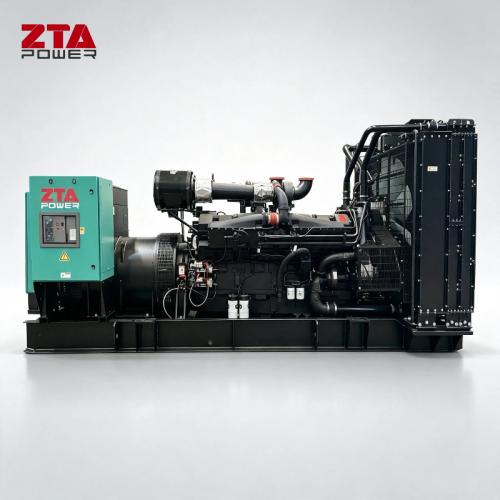
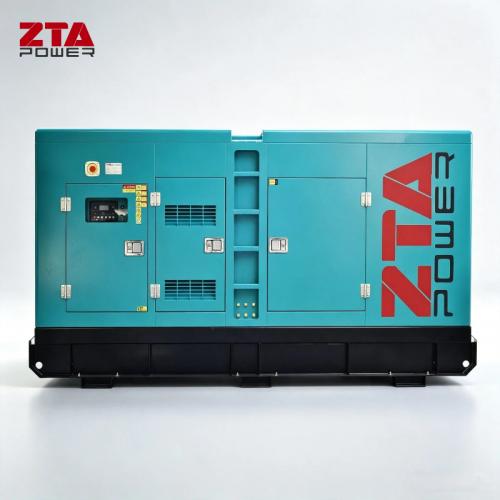
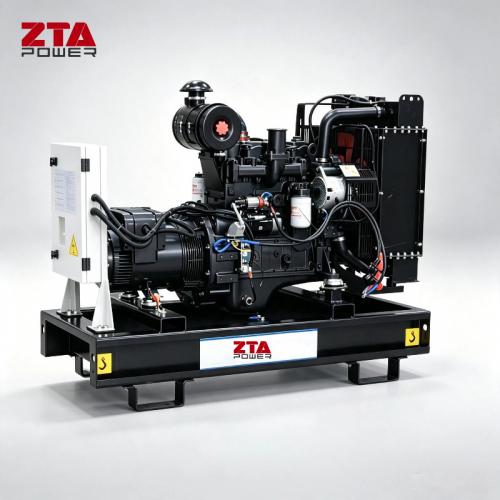
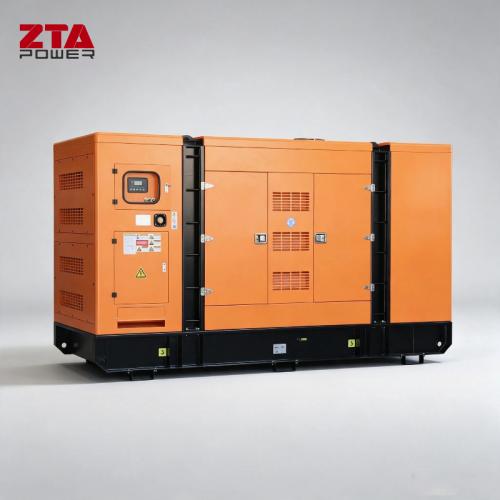
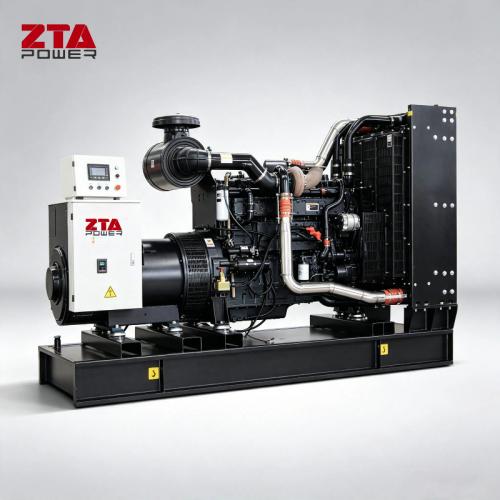
Modern silent diesel generator and open type diesel generator models incorporate sophisticated electronic control systems that can contribute to charging problems.
Loose or Corroded Main Output/Excitation Connections — Very High Priority
Poor electrical connections are among the most common and easily fixable issues:
- Terminal oxidation increases resistance
- Loose connections create voltage drops
- Corroded battery terminals reduce charging efficiency
Diagnostic Tip: Measure voltage directly at the alternator B+ terminal, then at the battery. A significant difference indicates connection resistance.
Solution: Clean all terminals with a wire brush, apply dielectric grease, and torque connections to specifications.
ECU/PCM Control Module Abnormalities — Medium Priority
Electronic Control Units (ECU) or Powertrain Control Modules (PCM) in modern marine diesel generator and industrial units can send incorrect commands:
- Faulty current sensors provide wrong data
- Software glitches cause improper voltage regulation
- Communication errors between modules
Solution: Use diagnostic scan tools to read fault codes and verify "alternator load command" or "field control duty cycle" parameters in the data stream.
3. External Mechanical and Load Problems
Drive Belt Slippage — Very High Priority
The drive belt transfers engine power to the generator alternator. Slippage causes:
- Insufficient alternator RPM at high engine speeds
- Voltage that decreases as engine speed increases
- Squealing noises during operation
Inspection Points:
- Belt tension: Should deflect 10-15mm when pressed
- Surface condition: Check for oil contamination, cracks, or glazing
- Pulley alignment: Misalignment accelerates wear
Solution: Adjust belt tension or replace worn belts.
Severely Discharged or Internally Shorted Battery — Medium Priority
A compromised battery can drag down the entire charging system:
- Deep discharge creates excessive charging load
- Internal short circuits cause continuous high current draw
- System voltage cannot reach normal levels
Solution: Test battery with a load tester. Replace batteries that fail load testing or are more than 3-5 years old.
Step-by-Step Troubleshooting Procedure
Follow this systematic approach to diagnose your diesel generator set charging issues:
Step 1: Inspect External Mechanical Components
| Inspection Item | What to Check | Acceptable Condition |
| Drive Belt | Tension, surface condition | 10-15mm deflection, no cracks or oil |
| Pulleys | Alignment, wear | Properly aligned, no groove wear |
| Mounting | Bolt tightness | All fasteners secure |
Step 2: Verify Electrical Connections
1. Check battery terminals — Remove corrosion, ensure tight fit
2. Inspect alternator B+ terminal — Look for loose or oxidized connections
3. Verify ground connections— Check alternator housing ground and battery ground cables
4. Wiggle test — Gently move wires while monitoring voltage for intermittent issues
Step 3: Perform Voltage Measurements
Battery Voltage Test
| System Type | Normal Voltage Range | Charging Voltage |
| 12V System | 12.4-12.6V (resting) | 13.5-15.0V |
| 24V System | 24.8-25.2V (resting) | 27.0-28.0V |
Procedure:
1. Set multimeter to DC voltage mode
2. Measure across battery terminals with engine running
3. Record readings at idle and at rated RPM
Alternator Terminal Voltage Test
Measure voltage directly at the alternator B+ output terminal and housing:
- Both readings low: Problem is in the alternator or voltage regulator
- Alternator voltage normal but battery voltage low: Problem is in wiring between alternator and battery (high resistance)
Step 4: Advanced Diagnostics
AC Ripple Test
Use your multimeter's AC voltage setting to measure at the alternator B+ terminal:
- Normal: Less than 0.5V AC
- Excessive ripple: Indicates rectifier diode failure
Electronic Control System Diagnosis
For Cummins diesel generator, Perkins generator, and other electronic engines:
1. Connect diagnostic scanner
2. Read stored fault codes
3. Monitor live data parameters:
- Alternator load command
- Field control duty cycle
- System voltage
- Battery current sensor readings
Common Repair Mistakes to Avoid
Mistake #1: Immediately Replacing the Alternator
Many technicians rush to replace the generator alternator without proper diagnosis. A documented case study shows that after replacing the alternator on a diesel genset, the low voltage problem persisted. The actual cause was a hidden, corroded connection in the main output cable.
Lesson: Always start with external checks before replacing major components.
Mistake #2: Ignoring Belt Condition
Worn or improperly tensioned belts are often overlooked but can cause significant charging issues at high RPM.
Mistake #3: Overlooking Ground Connections
Poor ground connections are invisible but critical. Always include ground circuit testing in your diagnostic routine.
Maintenance Tips for Optimal Charging System Performance
Regular maintenance prevents charging issues in your backup power generator:
Monthly Checks
- Inspect drive belt condition and tension
- Check battery electrolyte levels (for flooded batteries)
- Clean battery terminals
Quarterly Inspections
- Test charging voltage under load
- Inspect alternator brushes (if serviceable)
- Check all cable connections for tightness
Annual Service
- Professional alternator performance test
- Battery load testing
- Complete charging system analysis
When to Call a Professional
While many charging system issues can be resolved with basic tools and knowledge, certain situations require expert assistance:
- Internal alternator failures requiring disassembly
- ECU/PCM programming or replacement issues
- Winding repairs on stators or rotors
- Complex electrical diagnostics on integrated systems
For marine diesel generator applications or critical industrial generator installations, professional service ensures safety and reliability.
Conclusion
The charging system in your diesel generator set is an intelligent power management core that integrates power generation, voltage regulation, battery charging, and protection functions. Modern electronic power generator systems interact with engine ECUs and control modules, making voltage regulation more complex than in older mechanical systems.
By following the systematic troubleshooting approach outlined in this guide — starting with simple mechanical checks, progressing to wiring inspections, and finally examining the charging unit and electronic controls — you can efficiently diagnose and resolve low charging voltage issues while avoiding unnecessary repairs and expenses.
Remember: A methodical approach saves time, money, and ensures your generator set remains ready to deliver reliable power when you need it most.
Related Articles
- What Is The Reason Of Sudden Shutdown Of Diesel Generator ?
-How to Choose Connecting Cables of Diesel Generator Sets?
Need expert assistance with your diesel generator set? Contact our technical support team at [www.ztapower.com](https://www.ztapower.com) for professional guidance and genuine replacement parts.
About ZTA Power: ZTA Power is a leading manufacturer and supplier of high-quality diesel generator sets, including silent diesel generator, open type diesel generator, marine diesel generator, and Cummins diesel generator models. We provide comprehensive power solutions for industrial, commercial, marine, and residential applications worldwide.

 IPv6 network supported
 English
 français
 русский
 español
 português
 العربية
 Türkçe
 ไทย
ไทย Tiếng Việt
 Indonesia
  Filipino