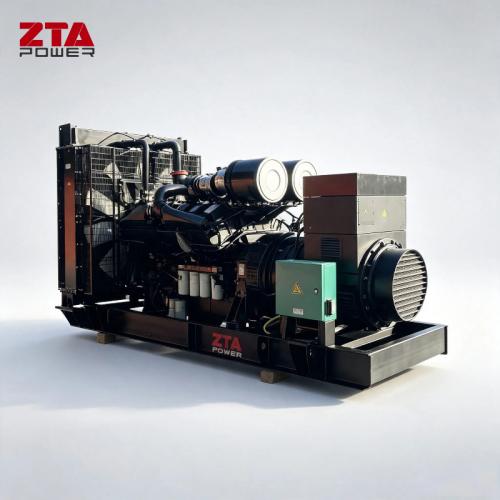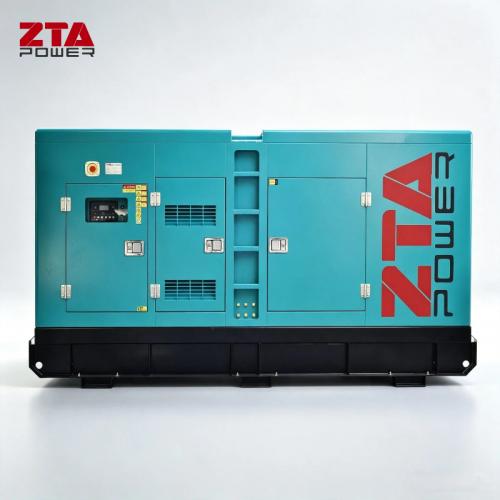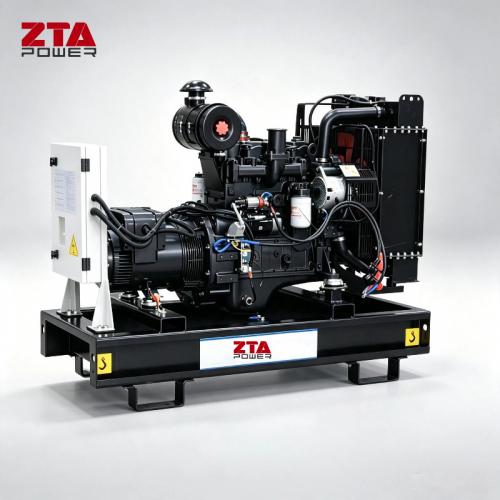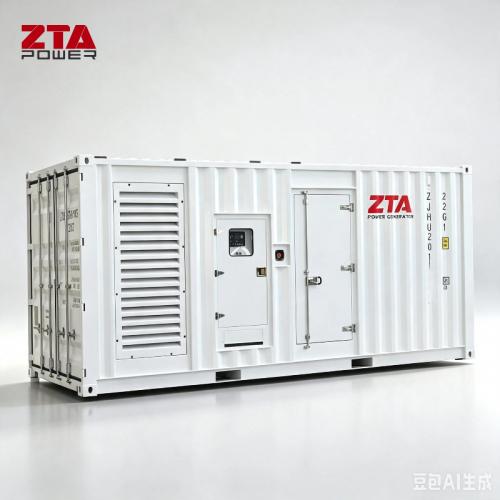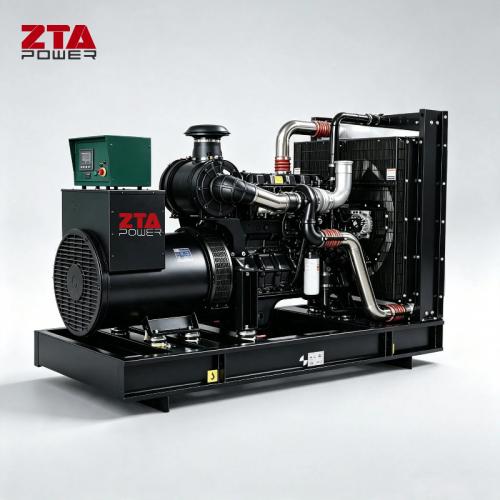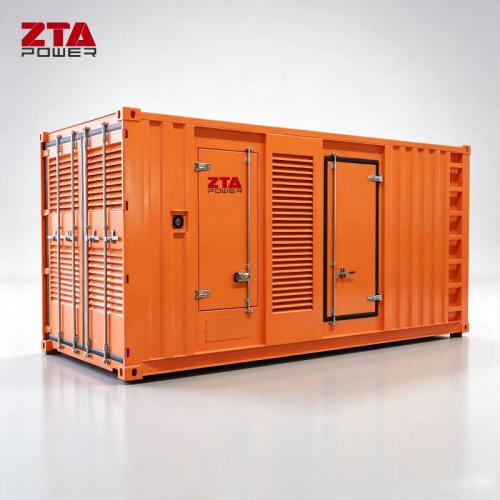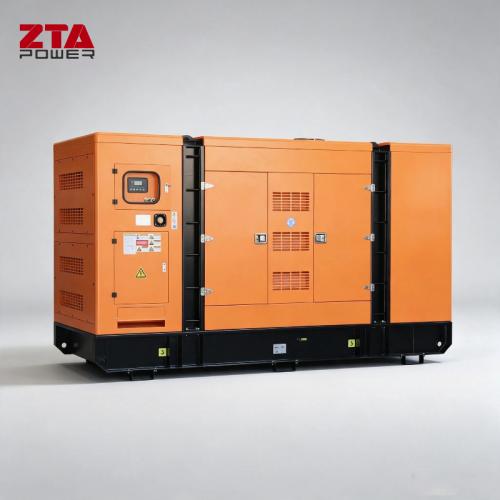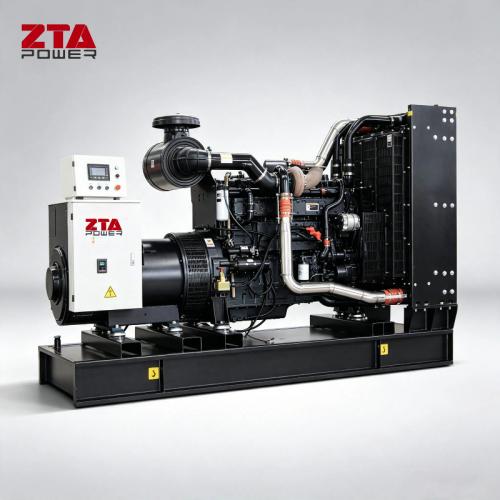
How to Reduce Noise Pollution from Diesel Generator Sets ?
Five Effective Techniques to Reduce Noise Pollution from Diesel Generator Sets
The noise generated by diesel generator sets primarily includes engine exhaust noise, intake noise, combustion noise, mechanical noise from moving parts during operation, and generator noise.
Noise reduction for diesel generator sets involves two main approaches: treating the noise source and implementing sound insulation in the engine room. The most fundamental approach is to address the source by gaining an in-depth understanding of the origins of generator set noise and applying basic noise reduction technologies such as mufflers, sound insulation, sound absorption, and vibration isolation to directly and effectively reduce noise. At the same time, it is essential to ensure that the ventilation conditions of the diesel generator set are not compromised. This means maintaining its output power while using efficient sound-absorbing materials and noise reduction mufflers to treat the intake and exhaust passages as well as the exhaust system of the generator room, ensuring that noise emissions comply with national standards.
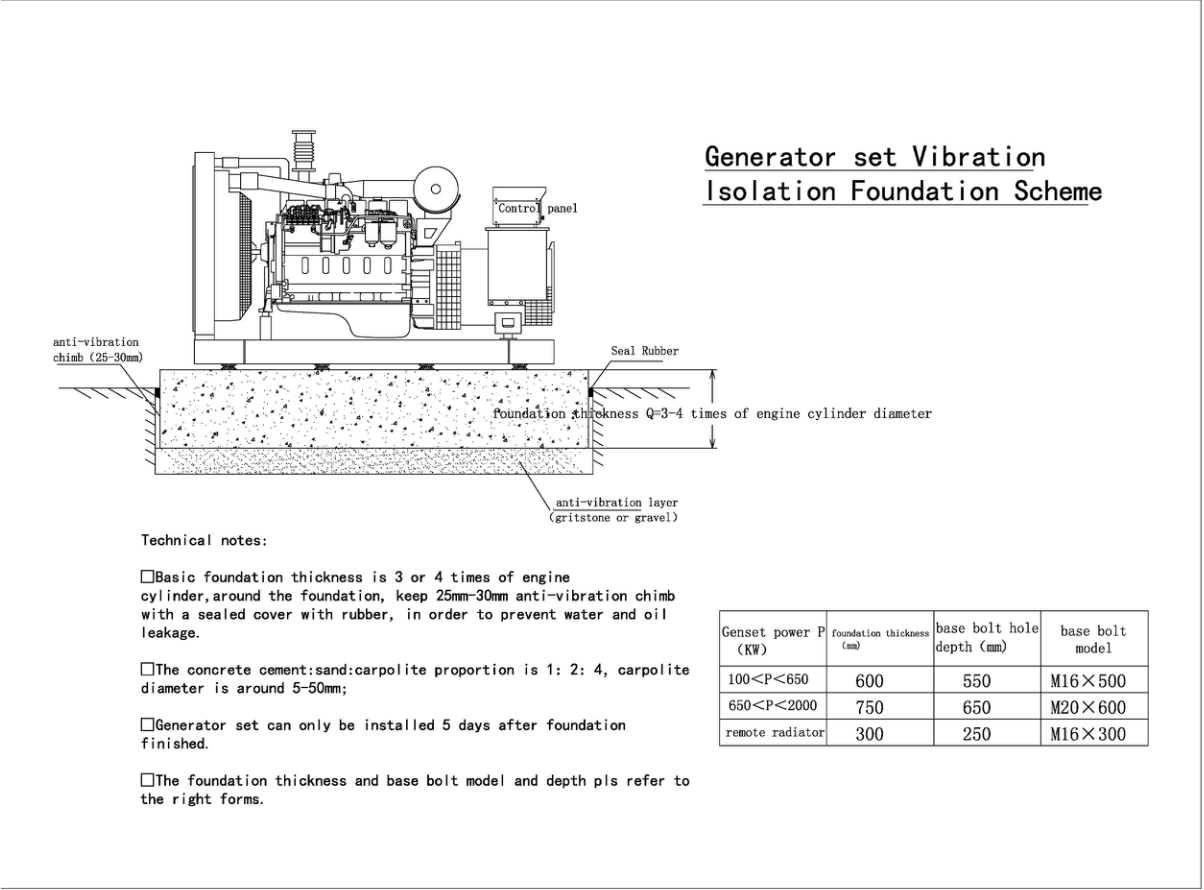
During operation, diesel generator sets produce various types of noise, which can be broadly categorized into five main types. The first category includes cooling fan noise and exhaust noise, which are composed of vortex, rotational, and mechanical noises. The second category consists of mechanical noise and combustion noise. Mechanical noise mainly originates from the gas pressure and inertial forces acting on the moving parts of the engine during operation, characterized by long propagation distances and minimal attenuation. Combustion noise, on the other hand, results from structural vibrations and sound generated during the combustion of diesel fuel. Finally, noise can also be transmitted through foundation vibrations. The intense mechanical vibrations of the diesel engine propagate through the foundation to various outdoor areas and further radiate noise through the ground.
Noise Insulation and Reduction Methods for Diesel Generator Sets
To effectively reduce noise pollution from diesel generator sets, multiple sound insulation and noise reduction methods must be implemented. First, reducing exhaust noise is a critical step, as it is the primary noise source of the unit. Specially designed impedance composite mufflers are typically used to reduce exhaust noise by 40–60 dB. Next, reducing the noise of axial flow fans must take into account the allowable pressure loss in the exhaust passage and the required noise reduction level.

For sound insulation and acoustic treatment of the engine room, as well as vibration isolation of the unit, improvements can be achieved by removing unnecessary windows, sealing all openings, and ensuring adequate sound insulation of the walls. For ventilation and heat dissipation, the air intake should be aligned with the generator set and exhaust outlet in a straight line, and equipped with resistive baffle silencers to achieve natural balance in the airflow entering and exiting the engine room. Additionally, to prevent stagnant air and excessive heat retention in the engine room after the shutdown of a closed-loop water-cooled generator set, low-noise axial flow fans equipped with resistive baffle silencers can be installed.

 IPv6 network supported
 English
 français
 русский
 español
 português
 العربية
 Türkçe
 ไทย
ไทย Tiếng Việt
 Indonesia
  Filipino