Why Diesel Generator Sets Are Powering the Data Center and Energy Storage Boom in 2026
Why Diesel Generator Sets Are Powering the Data Center and Energy Storage Boom in 2026
Market Trends, Hybrid Integration & What It Means for Your Next Power Project
Published: June 12, 2026 | By ZTA Power Technical Team | 10 min read
The diesel generator industry is experiencing a structural transformation. While diesel generator sets have long been the backbone of backup power across industries, two rapidly expanding sectors — data centers and energy storage systems — are now driving unprecedented demand and reshaping how these power systems are specified, deployed, and operated.
In this article, ZTA Power examines the forces behind this surge, analyzes the emerging diesel-plus-storage hybrid model, and explains what these trends mean for project developers, EPC contractors, and facility operators who need reliable, cost-effective power solutions.
The global data center landscape has undergone a seismic shift. The explosive growth of artificial intelligence, cloud computing, and large language models has created an insatiable appetite for computing capacity — and every new rack of GPUs requires guaranteed, uninterrupted power.
|
Metric |
Value |
Source Context |
|
Announced hyperscale capacity pipeline |
190 GW |
New data center capacity in development as of early 2026 |
|
U.S. installed diesel generator capacity at data centers |
55 GW |
Backup capacity now nearly matches global data center power usage in early 2025 |
|
Data center generators market size (2026) |
USD 8.57 billion |
Projected to reach USD 9.79 billion by 2031 (CAGR 2.7%) |
|
Average data center cost per MW |
USD 11.3 million |
Power infrastructure accounts for 30–40% of total CAPEX |
|
Diesel generator lead time |
72–104 weeks |
Forces project planning 2–3 years in advance |
|
U.S. AI data center cancellations/delays in 2026 |
7 GW |
Nearly half of planned 2026 capacity delayed due to power shortages |
The numbers tell a clear story: demand for data center backup generators is far outstripping supply. Major engine manufacturers such as Cummins, Caterpillar, and MTU have order backlogs extending well into 2027, with delivery cycles stretching beyond 18 months. This supply-demand gap creates both a challenge and an opportunity — particularly for manufacturers who can offer competitive lead times and proven reliability.
|
�� Key Insight: The diesel generator's role in data centers has fundamentally changed. It has shifted from a passive insurance asset — sitting idle 99% of the time — to an active 'bridge power' component that enables new revenue models and keeps facilities running during multi-year grid interconnection delays. |
Despite the buzz around fuel cells, microgrids, and battery storage, diesel generator sets remain the undisputed backbone of data center backup power. Here is why no alternative has yet matched their combination of reliability, energy density, and scalability:
• Unmatched energy density: Diesel fuel stores approximately 38 MJ/liter, far exceeding any current battery technology. A single diesel tank can provide 24–96 hours of continuous full-load operation — something no battery system can achieve at scale.
• Proven reliability: Modern diesel generators start and reach rated power within 10–15 seconds, with demonstrated reliability rates exceeding 99.5% in Tier III/IV data center environments.
• Scalability: From 500 kWA standalone units to multi-megawatt parallel systems, diesel generators scale seamlessly to match data center power requirements.
• Established service ecosystem: A global network of trained technicians, spare parts distribution, and standardized maintenance protocols means diesel generators can be serviced virtually anywhere in the world.
• Cost-effectiveness at scale: At USD 250–580 per kWh, battery storage remains viable only for short-duration power conditioning. For extended backup — the real need during grid outages — diesel generators deliver far lower total cost of ownership.
|
�� The Bottom Line: No single technology can currently replace diesel generators for data center backup power at scale. The question is not 'diesel or alternatives?' — it is 'how can diesel work smarter alongside new technologies?' |
The most significant trend in 2026 is the integration of diesel generator sets with battery energy storage systems (BESS). This hybrid approach does not replace diesel — it optimizes it, addressing the well-known inefficiencies of standalone diesel systems while adding new operational capabilities.
Traditional diesel-only backup systems suffer from a critical flaw: they are routinely oversized for their actual operating conditions. Data center load profiles often run at 30–40% of rated capacity during normal operations, and diesel engines operating below 30–40% load suffer from:
• Increased fuel consumption per kWh generated
• Carbon buildup in the exhaust system and turbocharger
• Cylinder glazing and accelerated engine wear
• Wet stacking — unburned fuel accumulating in the exhaust
By pairing diesel generators with battery storage, operators gain a system that keeps the generator in its optimal load band while the battery handles transient demands:
|
Challenge |
Diesel-Only Approach |
Hybrid (Diesel + Storage) Solution |
|
Load fluctuations |
Generator must be oversized for peak loads |
Battery absorbs peaks; generator runs at optimal load |
|
Low-load periods |
Engine runs inefficiently; carbon buildup |
Battery handles low loads; generator shuts down or runs at efficient load |
|
Nighttime / quiet hours |
Generator noise and emissions continue |
Battery provides silent, zero-emission power |
|
Start-stop cycling |
Frequent starts cause wear and fuel waste |
Battery provides bridge power; generator starts only when needed |
|
Fuel cost |
High — especially under variable load |
Reduced 20–40% through optimized generator operation |
|
Maintenance intervals |
Shorter — due to low-load wear patterns |
Extended — engine runs fewer hours at optimal conditions |
The growth numbers confirm the market's conviction: sales of diesel-new energy hybrid generator sets grew by more than 65% year-over-year in 2026, while units equipped with intelligent monitoring systems saw a 59% sales increase.
Earlier hybrid projects used separate controllers for generators, batteries, and loads — creating coordination gaps and operational complexity. In 2026, buyers increasingly demand unified EMS platforms that coordinate charging, discharging, generator start-stop logic, and alarm handling through a single interface. This shift reduces commissioning time from weeks to days and enables real-time performance optimization.
Data center power demands rarely arrive all at once. Phase 1 loads often represent only 40% of final capacity. Modular battery blocks, inverter modules, and control cabinets allow staged scaling — deploying what you need today while preserving the ability to expand as load grows, without redesigning the entire system.
Suppliers are moving away from one-size-fits-all systems toward solutions configured for specific use cases — data center bridging power, construction site peak shaving, telecom tower backup, or industrial process continuity. Enclosure design, environmental protection ratings, and service access are matched to actual site conditions, reducing installation time and total cost of ownership.
|
�� Market Data: Low-emission, high-efficiency diesel generator sets now represent over 65% of new unit sales, with particulate matter and NOx emissions reduced by more than 40% compared to traditional products. The industry is not standing still on environmental performance. |
If you are planning a data center, industrial facility, or any mission-critical power project in 2026–2027, here are the practical implications you should consider:
1. Plan early and lock in supply. With diesel generator lead times at 72–104 weeks, power system procurement must begin 2–3 years before commissioning. Waiting until the building is under construction is too late.
2. Think hybrid from day one. Even if you deploy a diesel-only system initially, design the electrical infrastructure to accommodate future battery storage integration. The incremental cost of pre-installing conduit, breaker space, and communication cabling is minimal compared to retrofitting later.
3. Evaluate total operational efficiency, not just purchase price. The lowest-kVA generator is rarely the most cost-effective over a 3–7 year operational horizon. Factor in fuel consumption under variable loads, maintenance intervals, and the value of reduced runtime hours with storage support.
4. Demand unified controls. Insist on a single EMS that manages both generation and storage. Separate controllers create integration risk and limit the operational benefits of hybridization.
5. Consider domestic alternatives. With Cummins and MTU backlogs extending beyond 18 months, leading Chinese engine manufacturers such as Weichai and Yuchai are gaining market share through competitive pricing, shorter delivery, and improving quality. Domestic substitution rates have risen from under 20% in 2024 to over 30% in 2026.
At ZTA Power, we are at the center of this industry transformation. As a leading diesel generator manufacturer and supplier based in China, we provide power generation solutions specifically designed for the demanding requirements of data centers, energy storage integration, and mission-critical applications.
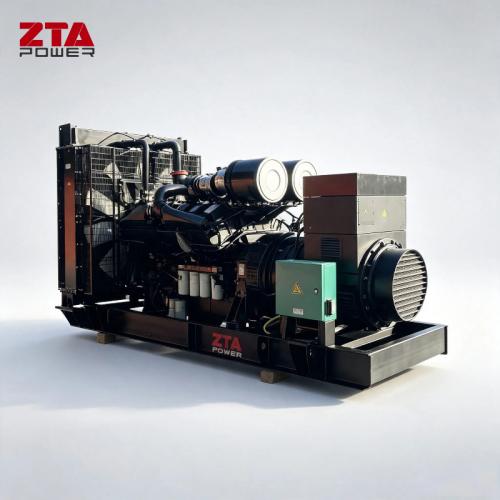
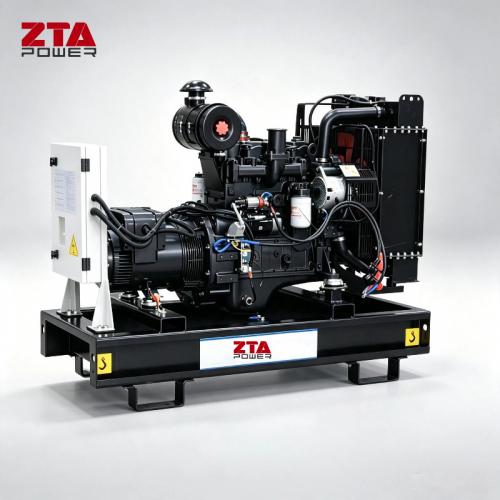
• Complete range of standby diesel generator sets powered by Cummins, Perkins, and other world-class engines — from 500 kVA to 5,000 kVA
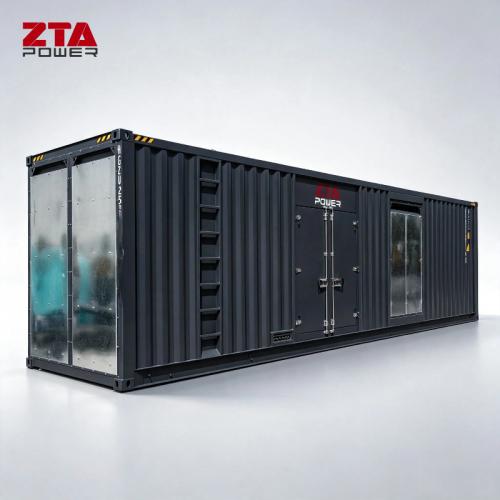
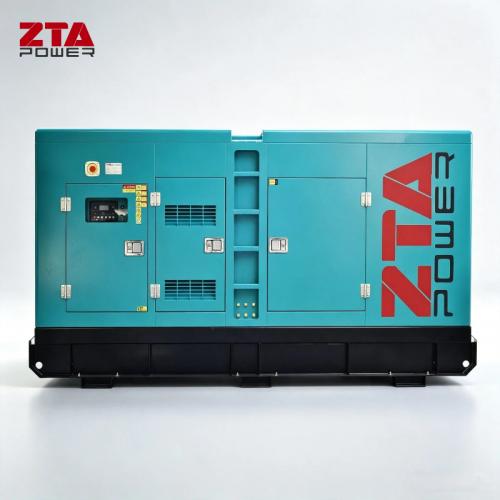
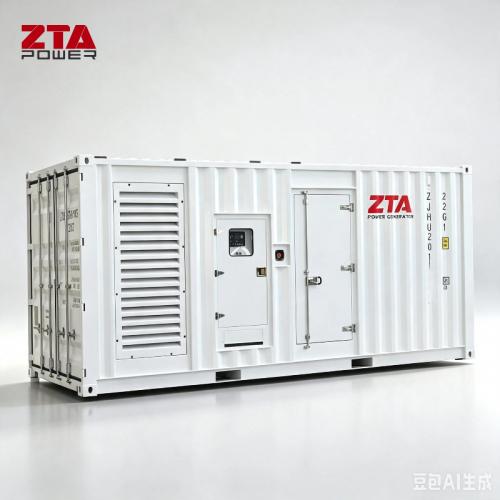
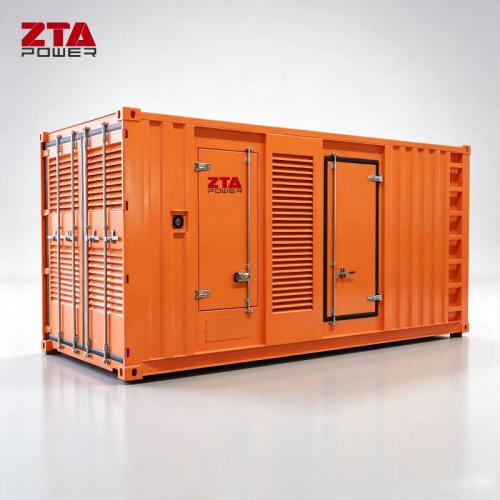
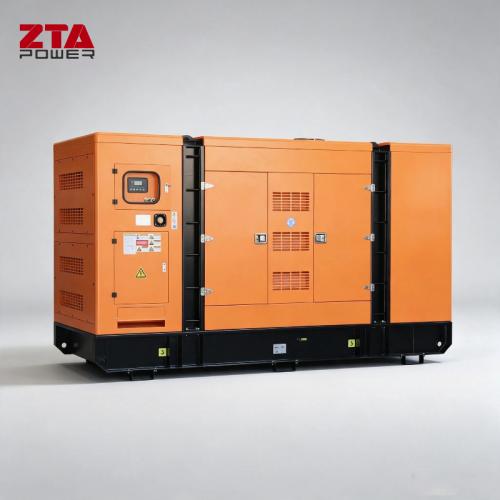
• Silent and containerized generator enclosures designed for data center environments
• Parallel operation systems with automatic synchronizing and load sharing
• ATS (Automatic Transfer Switch) integration for seamless utility-to-generator power transition
• Hybrid-ready generator designs with communication interfaces for EMS integration
• Custom engineering support for diesel-plus-storage system configuration
• Modular packaging options that accommodate future battery expansion
• Commissioning and training services for integrated power systems
• Competitive lead times — avoid the 18+ month wait from Tier 1 brands
• Genuine OEM engine components — Cummins, Perkins, and other leading brands
• Global shipping and after-sales support — we serve customers across Southeast Asia, the Middle East, Africa, and Latin America
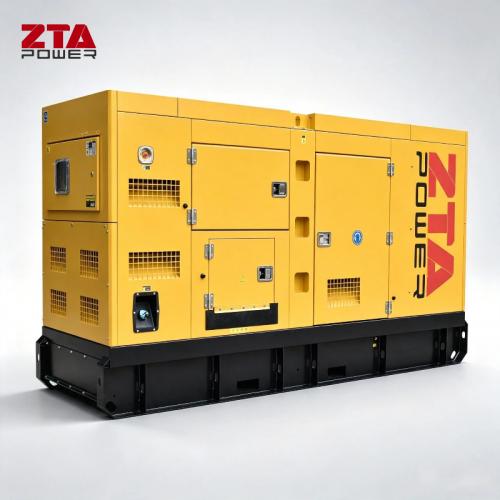
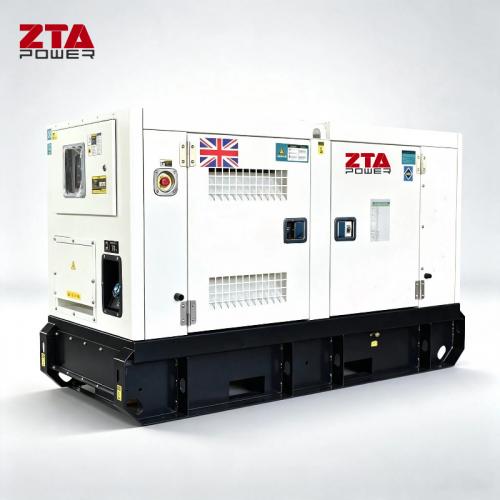
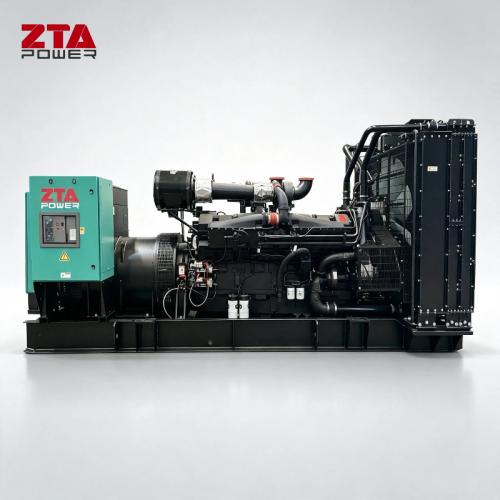
• Flexible customization — from open-frame units to soundproof enclosures, containerized solutions, and hybrid power packages
|
Planning a Data Center or Energy Storage Project? Get fast, detailed quotations tailored to your specifications. Our engineering team is ready to help you design the optimal power solution. |
Battery storage excels at short-duration power conditioning (seconds to minutes), but cannot provide the 24–96 hours of continuous full-load backup that data center tier standards require. Diesel fuel's energy density — approximately 38 MJ/liter — is orders of magnitude higher than current battery chemistry. For extended outages, diesel generators remain the only commercially viable solution at data center scale.
A hybrid power system combines a diesel generator set with a battery energy storage system (BESS), managed by a unified energy management system. The battery handles transient loads, peak shaving, and low-load periods, while the diesel generator runs at its optimal load band for maximum efficiency. This configuration reduces fuel consumption by 20–40%, extends maintenance intervals, and enables silent operation during low-demand periods.
Given current lead times of 72–104 weeks from major engine manufacturers, we recommend initiating procurement at least 2–3 years before your planned commissioning date. ZTA Power can often offer shorter lead times than Tier 1 brands — contact us early to secure your place in the production schedule.
Yes, in most cases. Retrofit integration is possible but requires careful planning of electrical interfaces, communication protocols, and control logic. It is significantly more cost-effective to design for future storage integration from the outset by pre-installing conduit, breaker space, and communication cabling during initial construction.
Modern diesel generator sets comply with stringent global emission standards including EPA Tier 2/Tier 3, EU Stage V, and China's Non-road Stage III. Low-emission, high-efficiency units now represent over 65% of new sales, with particulate matter and NOx emissions reduced by more than 40% compared to conventional products. HVO (hydrotreated vegetable oil) and natural gas dual-fuel options further reduce the carbon footprint.
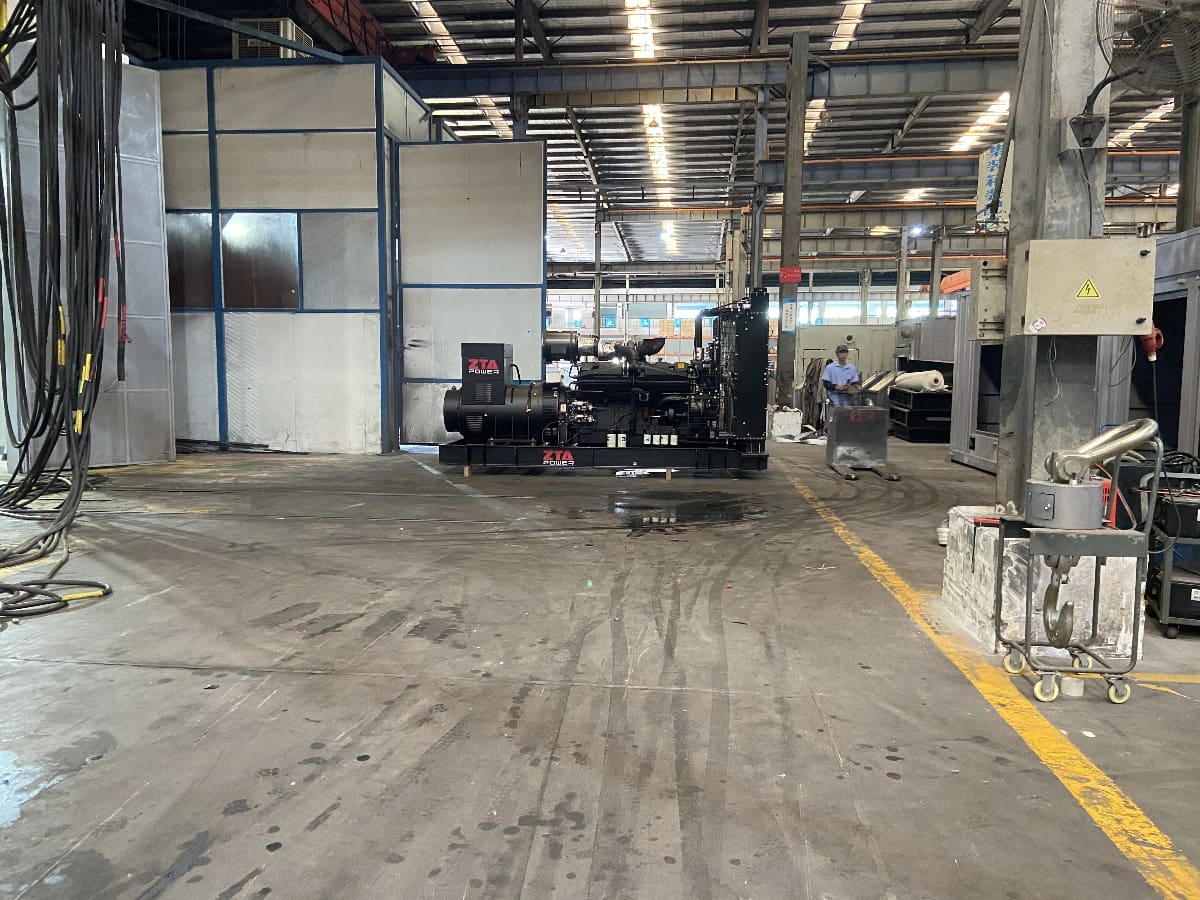
About ZTA Power
ZTA Power is a professional diesel generator set manufacturer and supplier based in China, specializing in silent diesel generators, prime power generator sets, high-voltage diesel generators, and data center standby power solutions. We provide reliable power generation equipment with comprehensive after-sales support to customers worldwide.

 IPv6 network supported
 English
 français
 русский
 español
 português
 العربية
 Türkçe
 ไทย
ไทย Tiếng Việt
 Indonesia
  Filipino