What Quality Standards and Evaluation Methods For Diesel Generator Set ?
Abstract: Evaluating the quality of a diesel generator set requires comprehensive consideration of multiple factors: performance, structural design, control system, materials, noise emissions, after-sales service, brand reputation, certifications, operational testing, and economic efficiency. Through a full assessment, you can select a diesel generator set that offers stable performance, economic practicality, and long-term reliability.
1. Core Component Quality
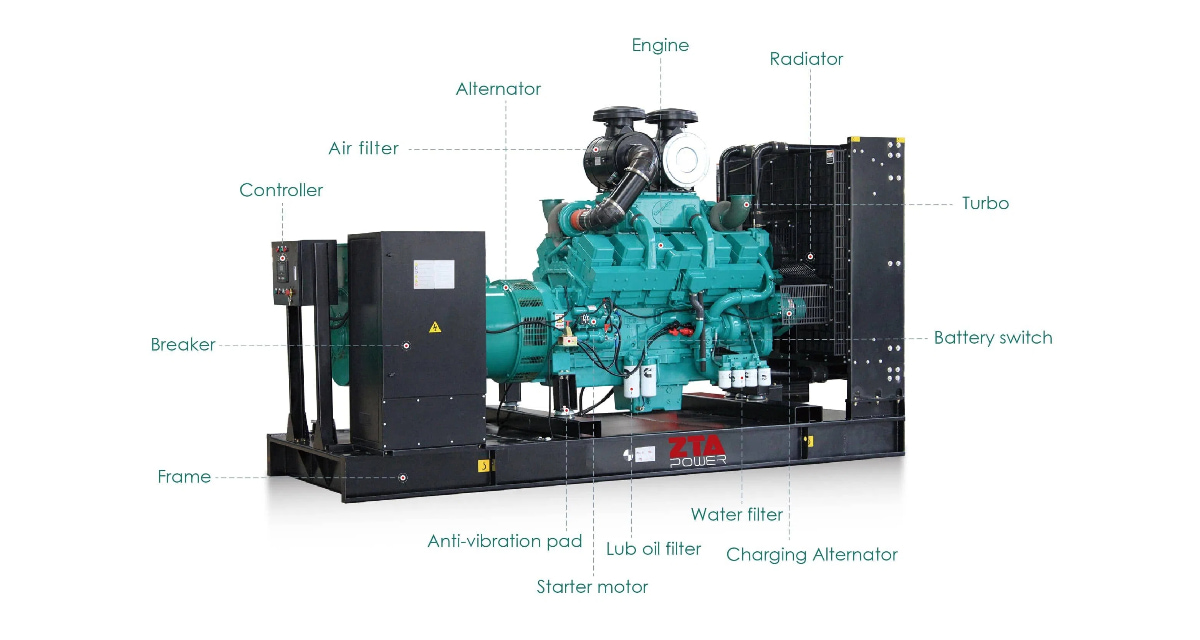
(1) Engine
Brand & Quality Indicators: Check the engine brand, model, and manufacturing craftsmanship. Well-known brands (e.g., Cummins, Yuchai) generally offer higher reliability and better engine durability.
Performance Metrics: Verify that engine power, torque, and fuel consumption rate meet specifications. Key diesel generator performance parameters include rated output and thermal efficiency.
Durability & Materials: Assess whether engine materials and manufacturing processes (cylinder block, crankshaft, pistons) can withstand prolonged high-load operation. Heavy-duty diesel engine construction directly impacts lifespan.
(2) Alternator (Generator Head)
Brand Reliability: Confirm the alternator brand (e.g., Stamford, Marathon, Leroy-Somer) – a trusted generator end brand ensures electrical stability.
Insulation Class & Winding Materials: Verify that insulation class (e.g., H or F class), winding materials (copper vs. aluminum), and cooling method meet standards. Proper insulation resistance prevents short circuits and leakage.
Energy Conversion Efficiency: High alternator efficiency means lower electrical losses and better fuel economy.
Additionally, inspect the overall design rationality, mounting sturdiness, and effectiveness of vibration damping and noise reduction measures.
2. Performance Specifications
Rated Power (Prime vs. Standby): Ensure the set can deliver its nameplate rating and run stably under rated load. Understand prime power vs. standby power differences.
Fuel Consumption Rate (BSFC): Verify fuel efficiency meets claims. Lower specific fuel consumption translates to higher operational economy.
Voltage and Frequency Stability: Output voltage and frequency should remain within allowable tolerances – voltage regulation within ±5%, frequency regulation within ±2.5%. Look for automatic voltage regulator (AVR) performance.
Starting Performance: Cold start and hot start must be rapid and reliable, especially in low-temperature environments. Battery capacity and glow plug/starting aid features matter.
3. Control System
Automation Functions: For automatic standby sets, start/stop and ATS (automatic transfer switch) response should be sensitive and reliable.
Protection Features: Overload, short circuit, overtemperature, low oil pressure, and high coolant temperature protection – essential for genset safety systems.
Monitoring & Remote Telemetry: Real-time display of voltage, current, frequency, engine parameters, and fault alerts. Look for digital controller with remote monitoring capability.
4. Materials and Manufacturing Quality
Material Quality: Critical components such as cylinder block, crankshaft, connecting rods, and bearings must use high-grade materials (e.g., cast iron, forged steel). Genset construction materials affect fatigue life.
Manufacturing Craftsmanship: Precision in welding, assembly, balancing, and painting. Poor workmanship leads to vibrations, leaks, and early failures.
5. Noise and Emissions Compliance
Noise Levels: Operating noise should meet local regulations – typically below 75 dBA outdoors and below 60 dBA indoors. Low-noise canopy/sound-attenuated enclosures are available for sensitive sites.
Emission Standards: Exhaust emissions must comply with applicable regulations (e.g., China Stage III, EPA Tier 4, EU Stage V). Smoke opacity should meet Ringelmann No. 1 or better.
6. Maintenance Accessibility and After-Sales Support
Ease of Maintenance: Daily service points (oil fill, filter changes, belt adjustments) should be easily accessible. Service-friendly design reduces downtime.
After-Sales Service: Manufacturer or supplier should provide timely technical support, spare parts availability, and warranty coverage. Genset parts supply network is critical.
7. Brand Reputation and User Feedback
Brand Credibility: Choose a reputable manufacturer (Cummins, Volvo Penta, MTU, Perkins, Yuchai, Shangchai, etc.). Strong diesel generator brand trust reduces risk.
User Reviews & References: Look for feedback from existing users regarding real-world performance, reliability, and support responsiveness.
8. Certifications and Industry Standards
International Certifications: ISO 9001, ISO 8528, CE, EPA, etc. indicate compliance with global quality and safety standards.
National/Industry Standards: Conformity to standards such as GB/T 2820 (China), NEMA MG-1 (US), or IEC 60034.
9. Operational Testing
No-Load Test: Run the set without load and observe voltage/frequency stability, smoothness, and any abnormal vibrations.
Load Bank Test: Apply rated load (preferably resistive and reactive) and check stability, transient response, exhaust color, and temperature rise. Full load acceptance test is the ultimate proof of quality.
10. Economic Evaluation
Initial Investment: Balance upfront price with performance and expected lifespan. Look for best value diesel genset rather than cheapest.
Operating Costs: Consider fuel consumption, routine maintenance (oil, filters, coolants), major overhaul intervals, and parts pricing. Total cost of ownership (TCO) analysis is recommended.
Summary
To determine the quality of a diesel generator set, conduct a comprehensive evaluation across core components, performance metrics, control system, structural design, noise & emissions, materials & workmanship, operational testing, after-sales service, brand reputation, certifications, and economic factors. The criteria and methods described above constitute the primary standards for judging diesel generator set quality. Selecting a high-quality genset ensures reliable backup power, low downtime, and optimal return on investment.

 IPv6 network supported
 English
 français
 русский
 español
 português
 العربية
 Türkçe
 ไทย
ไทย Tiếng Việt
 Indonesia
  Filipino