How Much Does a Diesel Generator Cost? Factors That Affect Generator Prices
ZTA Power Technical Team | September 2026 | 6 min read
A diesel generator costs anywhere from $3,000 for a 10 kW home-backup unit to over $500,000 for a 1,000+ kW industrial set. The average price sits at $150–$600 per kW, depending on engine brand, enclosure type, alternator quality, and control system. Adding a soundproof canopy increases cost by 15–30%, while an ATS (Automatic Transfer Switch) adds $1,500–$5,000. The single biggest price driver? The engine under the hood.
Based on current market data, here's what you can expect to pay for a diesel generator set across different capacity ranges:
| Power Range | Typical Application | Price per kW (USD) | Total Range (USD) |
|---|---|---|---|
| 10–50 kW | Home backup, small shops | $200–$600 | $3,000–$15,000 |
| 50–200 kW | Commercial buildings, telecom | $150–$300 | $15,000–$60,000 |
| 200–500 kW | Manufacturing, hospitals | $120–$220 | $60,000–$150,000 |
| 500–1,000 kW | Data centers, large industrial | $100–$180 | $100,000–$300,000 |
| 1,000+ kW | Mining, utility, mega-projects | $80–$150 | $300,000–$800,000+ |
Note: Prices are ex-factory estimates for standard open-type configurations. Custom engineering, export packaging, and certifications add cost.
Two generators with the same kW rating can differ in price by tens of thousands of dollars. Here's why:
The engine is the heart — and the biggest cost component — of any diesel genset. Tier-1 brands like Cummins and Perkins command a 20–40% premium over domestic Chinese engines (Weichai, Yuchai, SDEC), but offer proven reliability, global parts availability, and higher resale value. For mission-critical applications — hospitals, data centers, banks — a premium engine is non-negotiable.
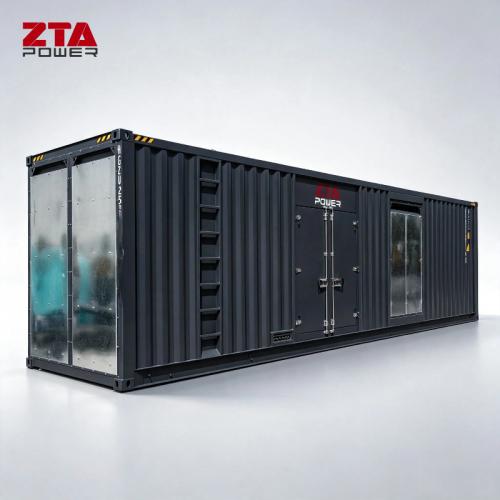
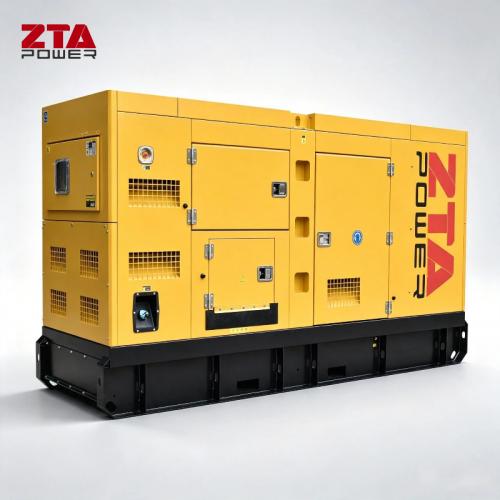
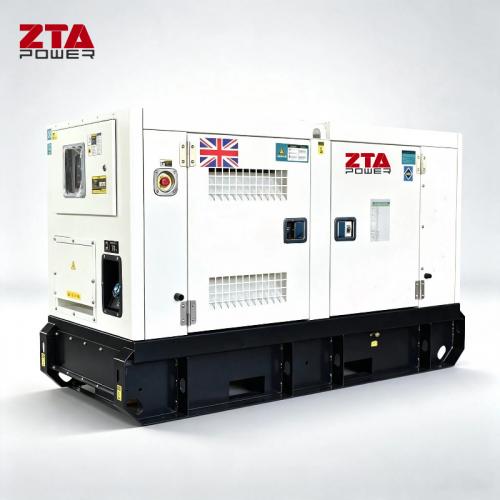
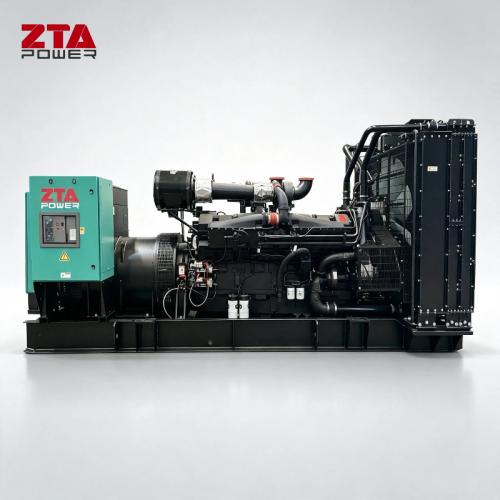
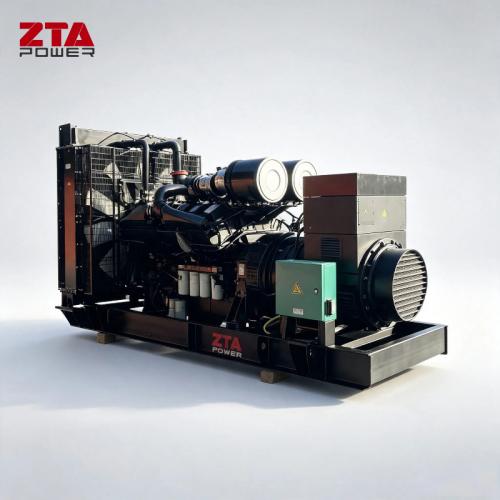
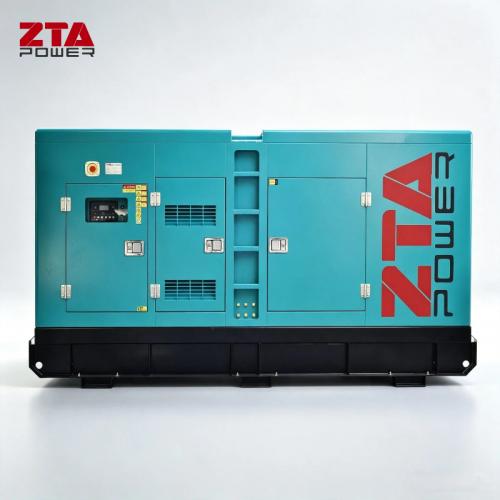
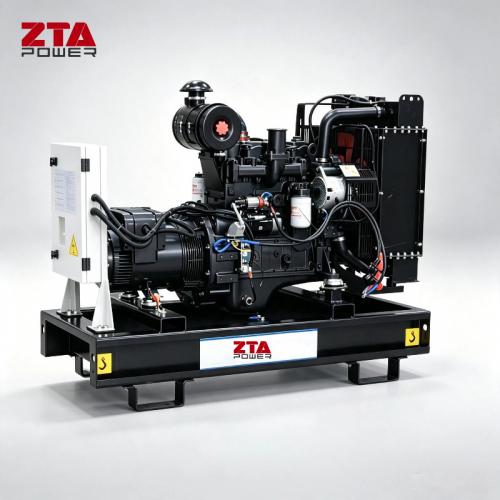
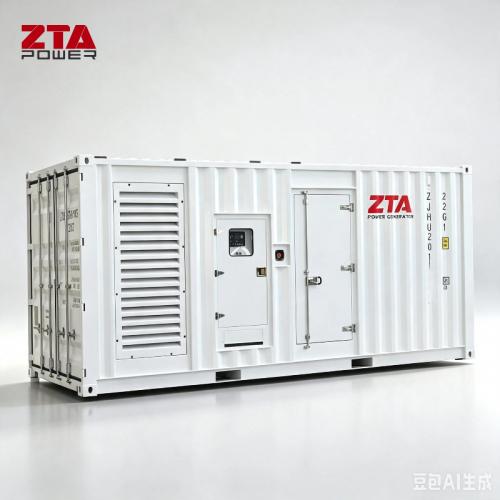
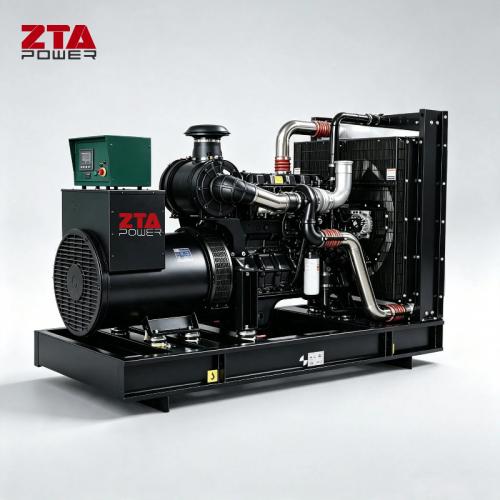
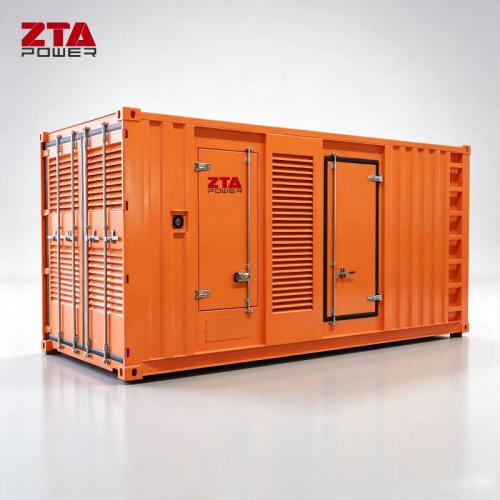
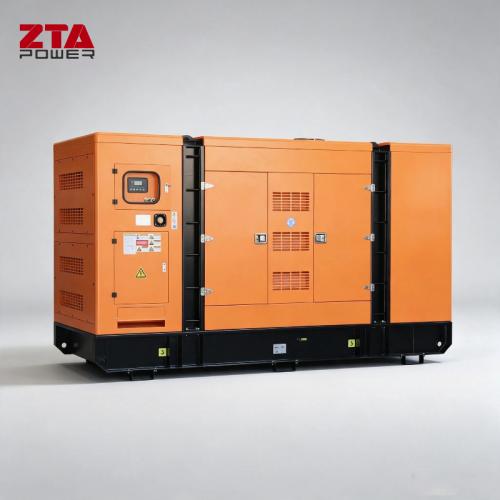
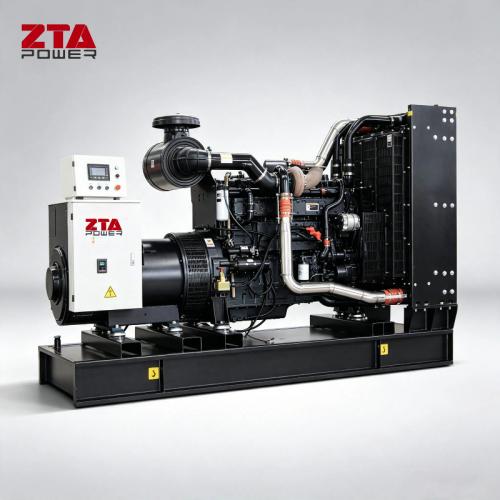
An open-type diesel generator set (bare engine on a skid) is the most affordable option, designed for indoor generator rooms. A soundproof canopy adds 15–25% but reduces noise from 100+ dB down to 65–75 dB(A) — essential for residential or commercial areas. A containerized generator set (20ft or 40HQ) adds 20–30% but provides weather protection, security, and easy transport — ideal for mining camps and remote sites.
A premium alternator like Stamford or Leroy-Somer increases cost by 10–20% but delivers superior voltage stability (±1% regulation vs. ±5% on budget units), better motor starting capability, and longer brushless life. For sensitive loads — servers, medical equipment, precision instruments — this premium pays for itself in avoided damage.
A prime power generator is built to run continuously (unlimited hours) and costs 10–20% more than an equivalent standby generator rated for occasional emergency use (max 200–500 hours/year). Prime-rated units use heavier-duty alternators, upgraded cooling packages, and more robust engine components. If your project runs 4+ hours daily, always specify prime power.
A basic manual-start panel costs little. But for automatic backup, you need an ATS panel with AMF (Auto Mains Failure) — this detects grid failure, starts the generator, transfers load, and shuts down when utility returns. A DeepSea or ComAp controller with ATS integration adds $1,500–$5,000+ depending on amperage. For synchronized multi-generator systems, the control cost escalates further.
Meeting EPA Tier 2/Tier 3, EU Stage V, or China Non-Road Stage III requires advanced fuel injection, aftertreatment (SCR/DPF), and ECU calibration. Each emission tier up adds roughly 5–15% to the engine cost. For export to regulated markets (EU, North America, Australia), compliance is mandatory — not optional.
At ZTA Power, we recently delivered a 1,000 kW Cummins KTA50-G3 generator set for a media complex in Africa — open type with synchronize panel, totaling under $180,000. The same unit with a 20ft soundproof container and ATS would have reached $220,000+. Another client in the Middle East chose a 120 kW Perkins silent generator for a hotel — just $28,000 including the acoustic canopy. The lesson? Enclosure and control choices swing the final price by 30–50%.
The purchase price is typically only 5–10% of what you spend over a generator's lifetime. Here's the real cost breakdown over a 10–20 year service life:
| Cost Category | Share of TCO | Key Driver |
|---|---|---|
| Fuel | 60–70% | Diesel price, load factor, engine efficiency |
| Maintenance | 15–20% | Oil, filters, belts, coolant, labor |
| Parts & Overhauls | 10–15% | Major overhauls at 10,000–30,000 hours |
| Purchase Price | 5–10% | Amortized over service life |
A 500 kVA industrial diesel generator running 4,000 hours/year at 75% load consumes roughly 85,000–100,000 liters of diesel annually. At current diesel prices, that's $60,000–$85,000 per year in fuel alone. This is why investing in a fuel-efficient engine (Cummins HPCR, Perkins 4000 Series) pays back quickly — a 5% fuel saving covers the engine premium within 2–3 years.
Q: How much does a 100 kW diesel generator cost?
A: $ 5,000–$10,000 depending on brand. A Cummins 100 kW runs $8,000–$10,000; a Chinese-brand equivalent costs $5,000–$8,000.
Q: Does a silent canopy increase the generator price?
A: Yes, by 15–30%. For a 200 kW unit, expect to add $8,000–$18,000 for a soundproof enclosure. Containerized versions add even more but include weatherproofing and transport readiness.
Q: What's the cheapest diesel generator per kW?
A: Large-capacity units (1,000+ kW) offer the lowest cost per kW at $80–$150/kW. Small portable units are the most expensive per kW at $200–$600/kW.
Q: Should I choose prime or standby to save cost?
A: If you need backup power only (outages < 200 hours/year), standby saves 10–20%. But if the unit runs daily, prime power avoids premature wear and costly overhauls — saving far more long-term.
Q: How much does installation add to the generator cost?
A: Installation (wiring, fuel tank, concrete pad, permits) typically adds 15–40% to the ex-factory generator price. Always budget for this upfront.
Need an accurate quote? Tell us your power requirement, application, and enclosure preference — ZTA Power provides competitive diesel generator pricing with short lead times and full after-sales support, from 10 kVA to 5,000 kVA. Request a quote today →
Published by ZTA Power — diesel generator set manufacturer since 2010, Xiamen, China. Powering projects across Africa, the Middle East, and Southeast Asia with Cummins, Perkins, and Stamford-powered generator sets. All data based on 2026 market research and ZTA Power project records. Prices are indicative; contact us for project-specific quotations.

 IPv6 network supported
 English
 français
 русский
 español
 português
 العربية
 Türkçe
 ไทย
ไทย Tiếng Việt
 Indonesia
  Filipino