Best Backup Power Solutions for Hospitals: Why Diesel Generators Are Essential
A comprehensive guide to ensuring uninterrupted patient care through reliable emergency power systems
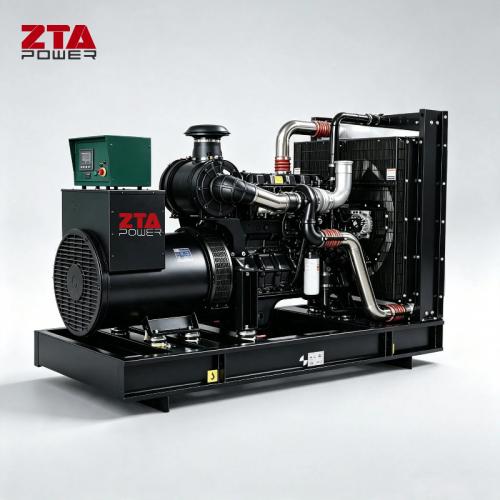
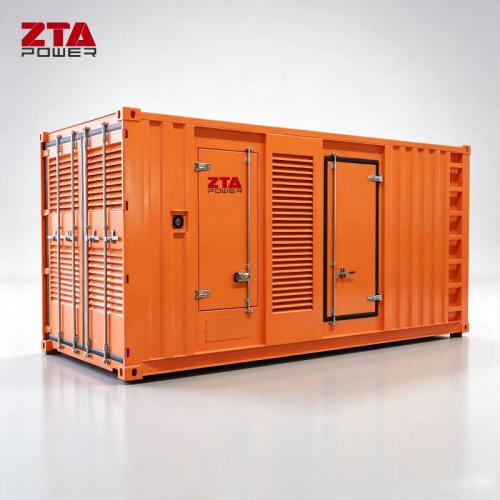
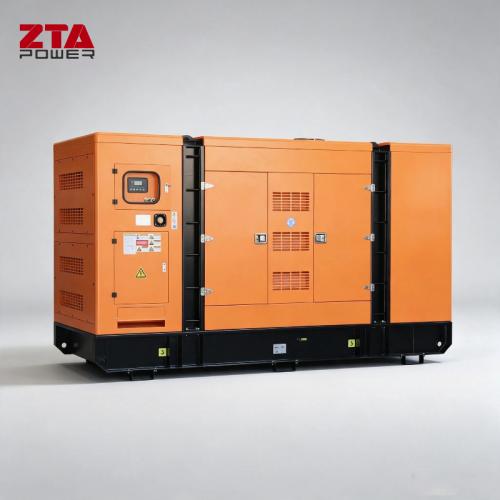
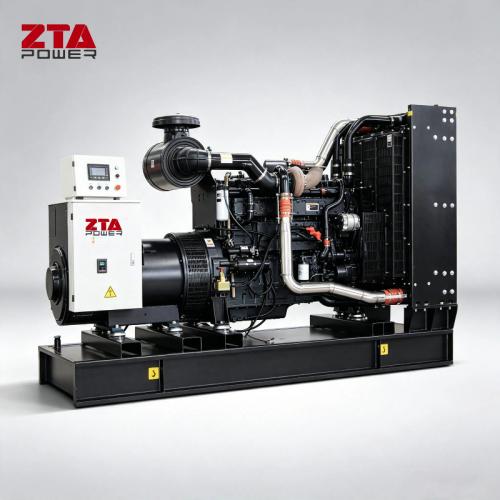
The best backup power solution for hospitals is a diesel generator set configured as a standby power generator system compliant with NFPA 110 Level 1 standards. Diesel generators deliver the fastest startup (under 10 seconds), highest reliability, and longest runtime — all critical for protecting life-support systems, ICU equipment, and patient safety during grid failures. For facilities requiring continuous off-grid operation, a prime power generator rated for 24/7 duty is the recommended choice.
In a hospital, electricity is more than a convenience — it is the backbone of every lifesaving procedure. From ventilators and heart monitors in the ICU to surgical suites, imaging equipment, and even basic lighting in hallways, every second of power loss puts patients at risk. A 2023 study on healthcare power resilience found that U.S. hospitals experience an average of 5 to 8 power disruptions per year, with severe weather events accounting for over 40% of outages lasting more than an hour.
The consequences of a failed backup system go beyond clinical risk. Hospitals face regulatory penalties, accreditation jeopardy, liability exposure, and severe reputational damage when emergency power fails. This is why healthcare facility managers invest heavily in diesel generator sets — not as an afterthought, but as a core infrastructure component directly tied to the institution's mission.
When evaluating backup power for hospitals, it is critical to distinguish between the two primary diesel generator ratings. Choosing the wrong rating can lead to premature equipment failure, warranty issues, or insufficient capacity during an emergency.
A standby power generator is designed specifically for emergency backup duty. It sits idle most of the time — exercising periodically — and springs into action only when the utility grid fails. Standby-rated units deliver up to their maximum output for the duration of an outage, with a typical overload capacity of 10% for up to 1 hour per 12-hour period. For hospitals, this is the standard configuration: a standby diesel generator set paired with automatic transfer switches (ATS) that detect outages and restore power to critical circuits within seconds.
A prime power generator, on the other hand, is engineered for continuous, around-the-clock operation as a primary power source. These units carry a lower variable-load rating but can run indefinitely at 100% of their prime capacity. Prime power generators are essential for hospitals in remote locations with unreliable grid infrastructure, field hospitals in disaster zones, and facilities in regions with chronic load shedding. They are also the go-to choice for peak-shaving strategies, where the generator supplements utility power during high-demand periods to reduce costs.
| Feature | Standby Power Generator | Prime Power Generator |
|---|---|---|
| Primary Use | Emergency backup during grid outages | Continuous / off-grid primary power |
| Annual Runtime | Typically under 500 hours/year | Thousands of hours per year |
| Overload Capacity | Up to 110% for 1 hr / 12 hrs | 100% continuous; no sustained overload |
| Typical Hospital Role | Life-safety & critical care backup | Remote facilities, peak shaving |
| Maintenance Frequency | Based on hours + calendar intervals | More frequent scheduled servicing |
During a major hurricane that struck the U.S. Gulf Coast, a 350-bed regional medical center lost utility power for 72 consecutive hours. The facility's diesel generator set — a 1,500 kW standby power generator that had been regularly exercised and maintained — automatically started within 7 seconds of the outage. Over the next three days, it powered two full ICU floors, the emergency department, operating rooms, laboratory equipment, and critical building systems. The facility performed 14 emergency surgeries and admitted over 200 storm-related patients without a single interruption to life-support equipment.
"That generator wasn't just equipment — it was the reason we could keep our promise to the community. When the grid went down, our diesel generator set didn't even blink."
— Director of Facilities, Regional Medical Center
This story is far from unique. Facilities that invest in properly sized, well-maintained diesel generator sets consistently report zero patient-care interruptions during extended outages. The common thread across success stories is proactive maintenance: weekly exercising, monthly load-bank testing, and annual comprehensive servicing ensure the system is ready when disaster strikes.
Hospitals have evaluated nearly every backup power technology available — from natural gas gensets to battery storage and fuel cells — yet diesel remains the undisputed leader for emergency power in healthcare. Here is why, backed by hard data and real-world performance:
A diesel generator set can start and accept full rated load in under 10 seconds — meeting the strict NFPA 110 Level 1 requirement for life-safety systems. Diesel engines have fewer moving parts in their fuel systems compared to gas turbines, no spark plugs to fail, and a proven track record of starting reliably even after months of standby. With proper maintenance including jacket-water heaters and battery tending, diesel generators achieve start-reliability rates exceeding 99%.
Diesel fuel is globally available, storable on-site in approved tanks, and energy-dense — meaning a relatively compact fuel supply can power a hospital for days or weeks. Unlike natural gas systems that depend on pipeline integrity (which often fails during the same disasters that cause outages), on-site diesel storage gives hospitals full control over their fuel supply. For extended outages, fuel replenishment is straightforward through standard tanker deliveries.
Modern diesel generator sets are available from under 50 kW to over 3,000 kW per unit, and can be paralleled in multi-unit configurations for virtually unlimited capacity. They handle block loads — the sudden surge when large hospital equipment like MRI scanners or HVAC systems come online — far better than many alternative technologies. For facilities planning phased expansion, modular diesel systems can grow alongside the hospital without requiring full replacement.
Diesel generators satisfy the full spectrum of healthcare regulatory requirements, including NFPA 110 (Standard for Emergency and Standby Power Systems), NFPA 99 (Health Care Facilities Code), NEC Article 517 (Health Care Facilities), and the Joint Commission standards. Most hospital accreditation surveys explicitly verify generator type, capacity, maintenance records, and transfer-switch timing — all areas where properly specified diesel systems excel.
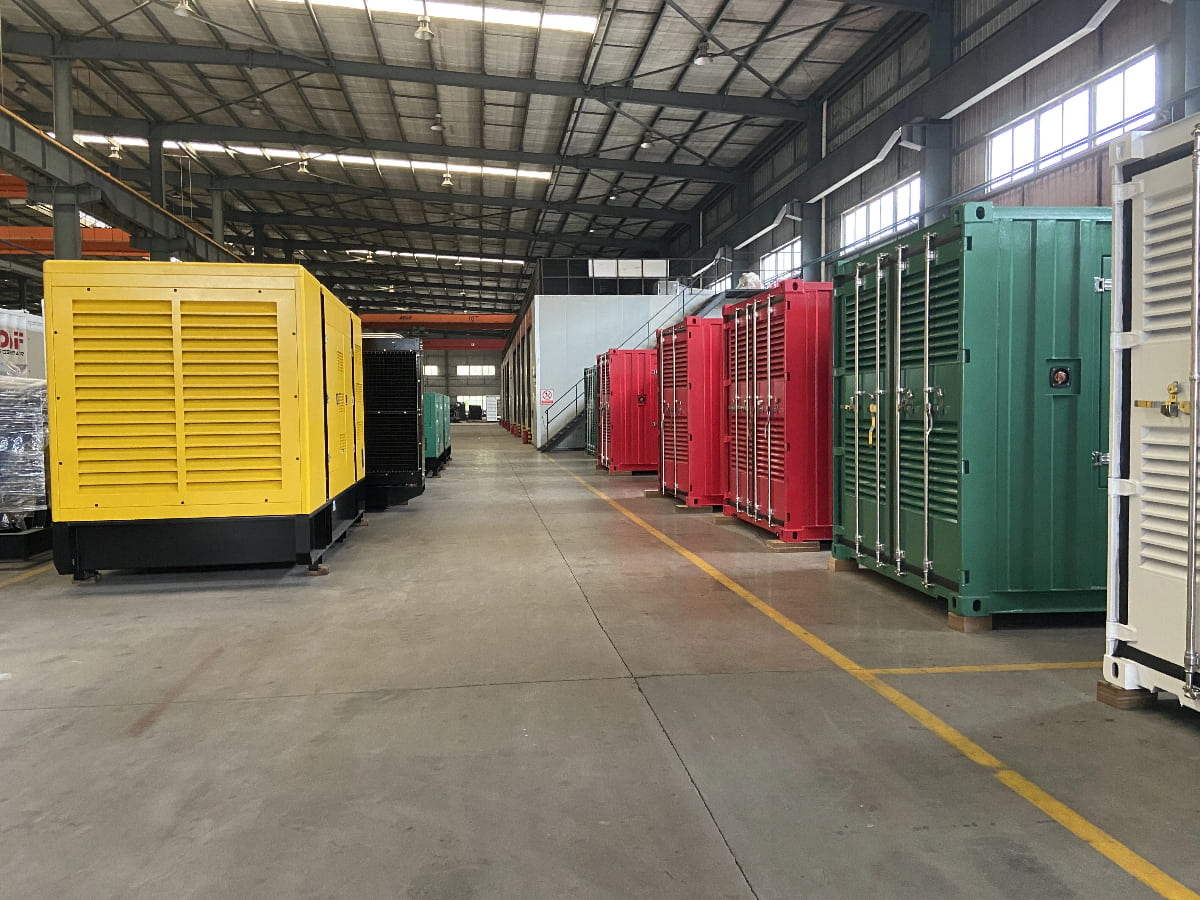
Whether you need a standby power generator for emergency backup or a prime power generator for continuous operation, the right diesel generator set is the single most important investment you can make in patient safety.
Contact a certified healthcare power systems engineer today for a facility assessment.

 IPv6 network supported
 English
 français
 русский
 español
 português
 العربية
 Türkçe
 ไทย
ไทย Tiếng Việt
 Indonesia
  Filipino